Israeli Strikes Kill 11 in Lebanon as Tehran Markets Hold Steady Amid Regional Tensions
حمله مرگبار اسرائیل به جنوب لبنان؛ ثبات نسبی در بازار ارز و طلای تهران علیرغم تنشهای منطقهای
Eleven people, including children, have been killed in Israeli strikes on southern Lebanon, significantly escalating regional conflict risks. Meanwhile, the Iranian Toman shows resilience with a modest 0.3% rise against the USD as traders weigh geopolitical developments.
At time of publishing
USD
187,300
Toman
Gold 18K
19.17M
Toman / gram
Bitcoin
$62,980
US Dollar
Tether
186,652
Toman
Deadly Escalation in Southern Lebanon
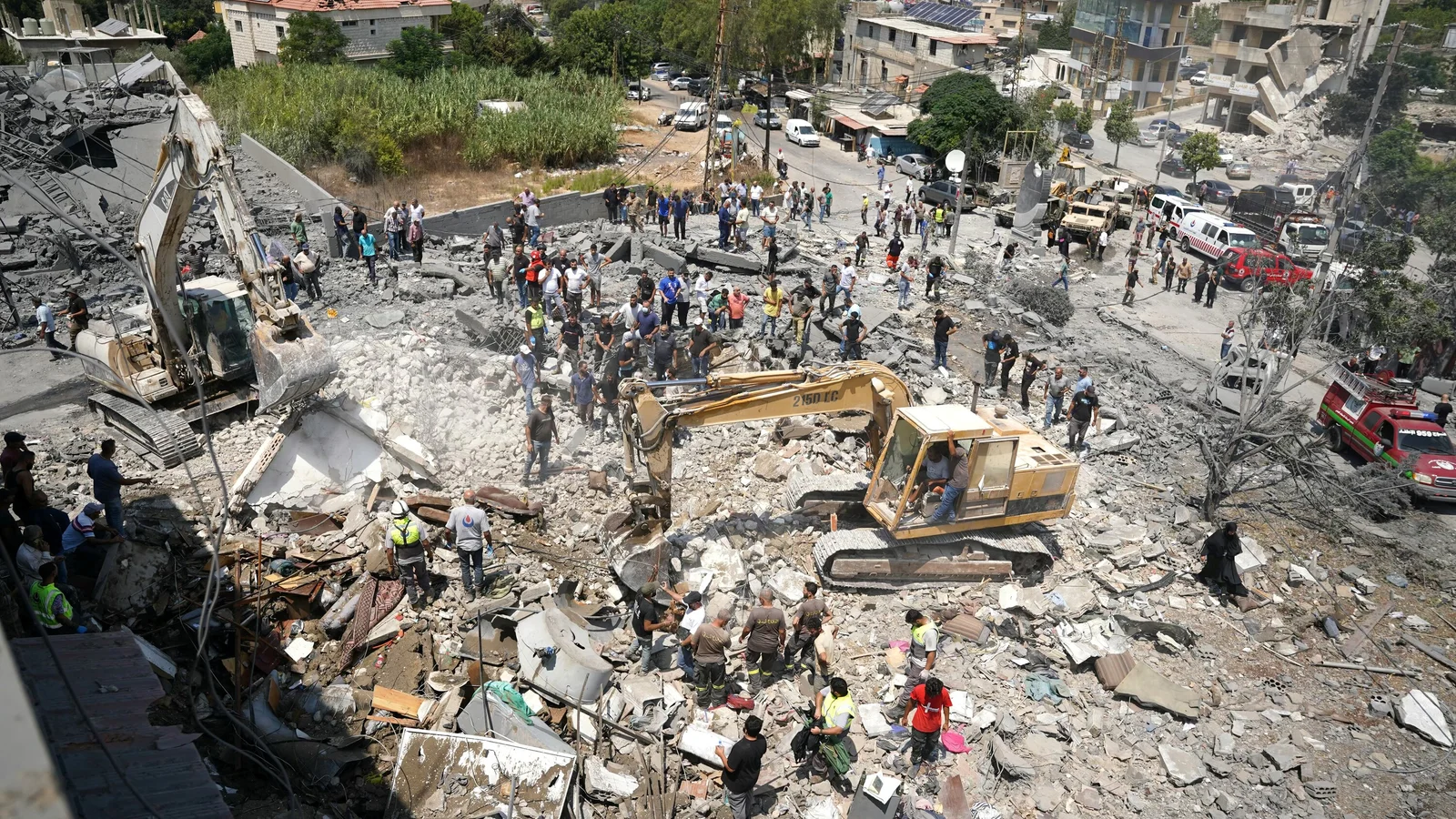
At least eleven people, including several children, have been killed following a series of Israeli airstrikes on southern Lebanon. The Lebanese health ministry confirmed the casualties, labeling the overnight bombardment as one of the deadliest single events in recent months. The Israeli military maintains that the strikes were targeted at "Hezbollah terror infrastructure," claiming the operation was a direct response to prior actions against Israeli soldiers. This escalation marks a significant departure from the localized skirmishes seen earlier in the week, pushing the region closer to a full-scale confrontation that could disrupt vital trade and energy corridors.
For the international community, the inclusion of civilian casualties, specifically children, complicates diplomatic efforts to de-escalate the situation. While Israel asserts it is neutralizing threats, the humanitarian toll is fueling outrage across the Middle East. Analysts suggest that this level of kinetic activity indicates a shift in strategy, where deterrence is being replaced by proactive degradation of Hezbollah's capabilities. For the global markets, any sustained conflict in this theater raises the specter of supply chain disruptions in the Eastern Mediterranean and puts upward pressure on the geopolitical risk premium traditionally baked into energy prices.
Market Resilience and the $100,000 Dilemma
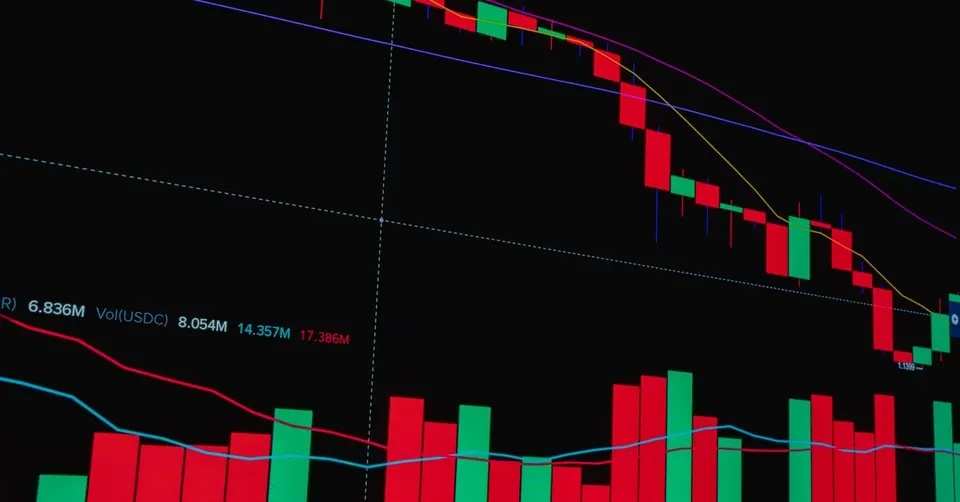
Despite the somber news from the border, the Tehran currency market has remained remarkably stable during the 17:00 Tehran session. The US Dollar (USD) sell rate moved from 186,700 to 187,300 Toman, representing a modest increase of +0.3%. This minor fluctuation suggests that while traders are monitoring the Lebanon strikes, there has not yet been a panic-driven flight to hard currency. Interestingly, the Emami gold coin saw a slight retreat, moving from 189,500,000 to 189,000,000 Toman (-0.3%), while 18k gold rose marginally from 19,130,615 to 19,165,243 Toman (+0.2%). This mixed performance highlights a market that is currently searching for a clear directional catalyst.
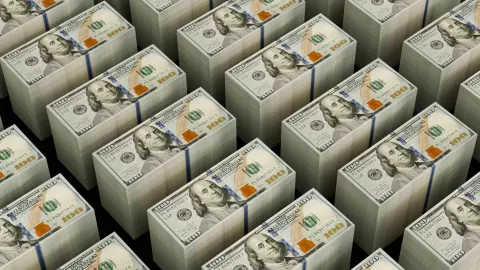
In the broader financial context, a new debate has emerged regarding personal liquidity and emergency funds. Financial advisors are currently weighing whether individuals should tap into home equity or liquidate stock holdings to build significant cash reserves—specifically a $100,000 emergency fund. This discussion is particularly relevant as "AI inflation" begins to impact the cost of high-tech goods, potentially forcing the Federal Reserve to maintain higher interest rates for longer. For Iranian investors, the lesson is clear: maintaining a balance between physical assets like gold and liquid Toman or USD reserves is essential as global and regional macro-pressures converge.
Diplomatic Maneuvers and the 'Resistance' Claim
On the diplomatic front, President Masoud Pezeshkian has reached out to Indian Prime Minister Narendra Modi to congratulate India on its 79th Independence Day. This move is seen as part of Tehran's broader strategy to strengthen ties with the Global South and diversify its economic partnerships away from Western-centric systems. By emphasizing longstanding bilateral relations, the Pezeshkian administration is signaling its intent to remain a key player in regional trade, particularly through the North-South Transport Corridor, despite the ongoing sanctions regime and the shadow of regional war.
Adding a layer of political intrigue, Parliament Speaker Mohammad-Bagher Ghalibaf recently claimed that former US President Donald Trump had effectively recognized the "Axis of Resistance." Ghalibaf alleged that a Memorandum of Understanding signed during the Trump administration included language that acknowledged the geopolitical reality of these groups in exchange for an end to hostilities on multiple fronts. While these claims are often viewed as domestic political posturing within Iran, they reflect a narrative attempt to frame the resistance movement as an unavoidable diplomatic entity. For the Iranian public, these statements serve to project strength at a time when regional tensions are reaching a boiling point.

Frequently Asked Questions
How did the Tehran market react to the recent strikes in Lebanon?
What is 'AI inflation' and why does it matter for interest rates?
What was the significance of Speaker Ghalibaf's claim about Donald Trump?
Understanding the Geopolitical Risk Premium in Financial Markets
When news breaks of regional conflicts or political instability, a common question arises: how will financial markets react? The concept of the Geopolitical Risk Premium offers a crucial lens through which to understand these dynamics. In essence, it refers to the additional compensation that investors demand for holding assets in countries or regions perceived to be at higher risk due to political instability, conflict, or other geopolitical events. This premium acts as a discount on asset prices; the higher the perceived risk, the lower the price an investor is willing to pay, or the higher the return they expect.
This risk premium manifests across various asset classes. For instance, in times of heightened tension, a country's currency might depreciate as investors move capital to safer havens, or its government bonds might see their yields rise as lenders demand more interest to offset the increased risk of default. Stock markets can also experience sell-offs, reflecting investor uncertainty about future corporate earnings and economic stability. Commodities like oil or gold, on the other hand, can sometimes see their prices surge, with gold often considered a traditional "safe-haven" asset during periods of global uncertainty.
The headline noting "Tehran Markets Hold Steady Amid Regional Tensions" might seem counterintuitive at first glance, but the Geopolitical Risk Premium helps explain potential reasons. One possibility is that the existing geopolitical risks are already "priced in" to a significant extent. For markets accustomed to regional volatility, the current tensions might not introduce substantially new information that would warrant a further dramatic repricing. Additionally, specific market structures, such as those in economies under significant international sanctions like Iran, may exhibit unique reactions. Capital controls or limited foreign investment might mean that domestic investors primarily drive market activity, and their response to local events might involve shifting between domestic assets (like from currency to gold or specific local stocks) rather than a broad capital flight out of the country, leading to apparent stability in some indices while specific asset prices (like gold or foreign currency exchange rates) fluctuate significantly internally. Understanding this premium is vital for investors, policymakers, and anyone seeking to grasp the intricate interplay between global events and economic outcomes.
Topics
Related Articles