USS Abraham Lincoln’s 'Ghost' Sailors and the Rising Cost of Regional Deterrence
بحران روانی در ناو آبراهام لینکلن و سایه سنگین تنشهای منطقهای بر بازار تهران
As the USS Abraham Lincoln passes 250 days at sea, reports of deteriorating mental health and equipment failure emerge. Meanwhile, escalating strikes in Lebanon and China's interest in Iran's 'Hormuz model' keep regional markets on edge.
At time of publishing
USD
187,450
Toman
Gold 18K
19.16M
Toman / gram
Bitcoin
$62,972
US Dollar
Tether
186,601
Toman
The Human Cost of Perpetual Deterrence: Crisis Aboard the USS Abraham Lincoln
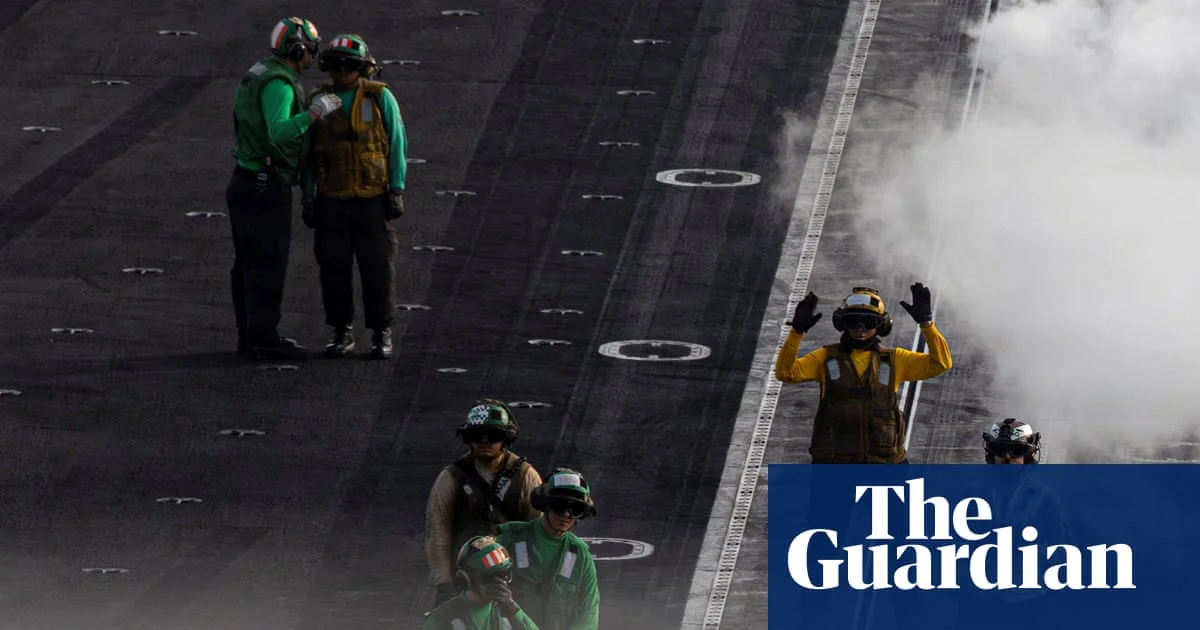
The USS Abraham Lincoln, a cornerstone of American power projection in the Middle East, is facing a silent crisis that has nothing to do with enemy missiles. Military health experts and Navy veterans are sounding the alarm as the carrier surpasses 250 consecutive days at sea without a significant port visit. Originally bound for the Pacific, the vessel was redirected to the Middle East as tensions between Israel and Iran escalated. Now, reports of severe water shortages, plumbing failures, and a surge in mental health emergencies—including attempts by sailors to jump overboard—suggest that the human element of the U.S. deterrent strategy is reaching its breaking point.
This prolonged deployment matters because it exposes the limits of naval dominance in a multi-front regional conflict. While Washington uses these massive carriers to signal resolve to Tehran and its proxies, the physical and psychological exhaustion of the crew can degrade operational readiness. For the Iranian market, this signal is mixed; while the U.S. presence remains a formidable barrier to full-scale escalation, the visible strain on American resources suggests that the current 'high-alert' posture may be unsustainable in the long term, potentially leading to a vacuum if rotations are not managed carefully.
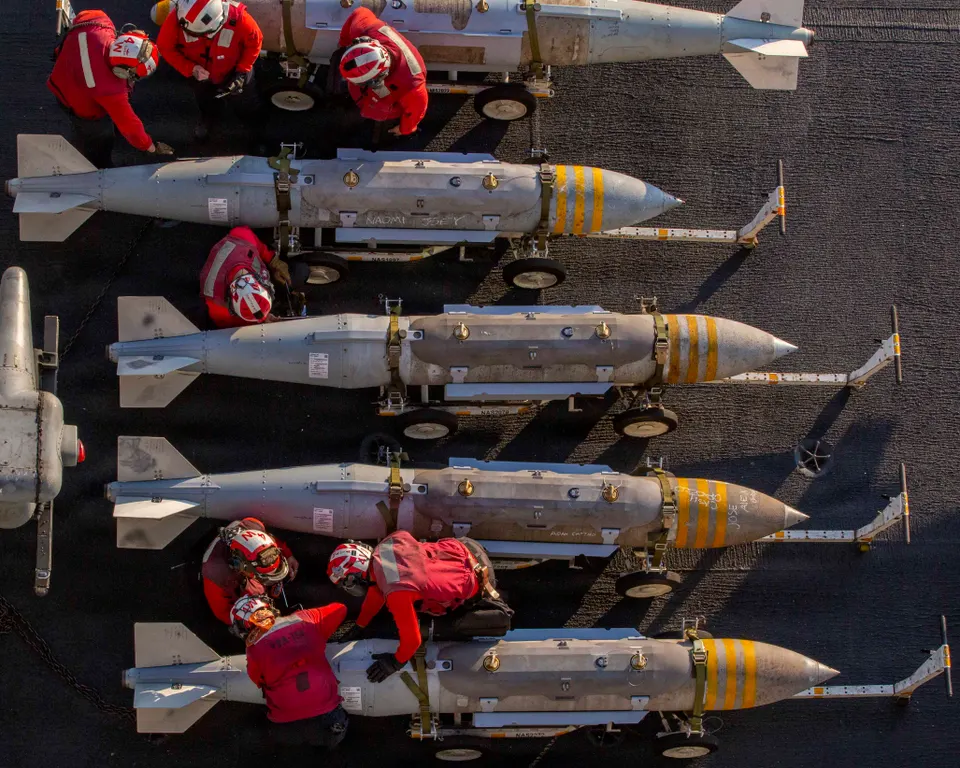
, Public domain]
Escalation in Lebanon: Civilian Toll and the Risk Premium
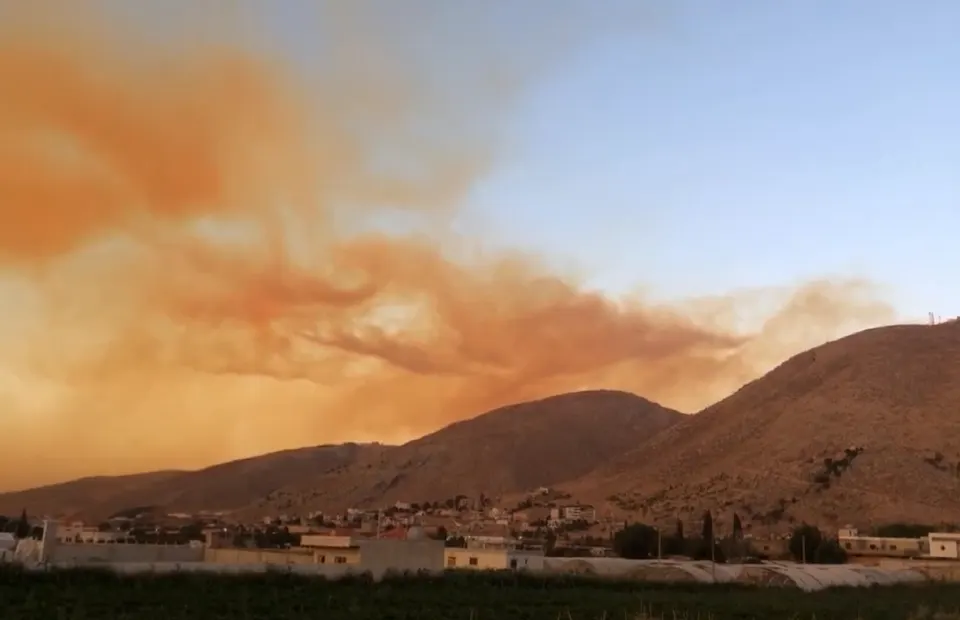
The security situation in the Levant has taken a darker turn today as Israeli strikes in southern Lebanon killed at least nine people, including several children and women. According to Lebanese health officials, the strikes targeted what the Israeli military described as Hezbollah infrastructure in the town of Ansar. This surge in fatalities marks one of the deadliest single-day incidents in recent months, further complicating the delicate balance of 'controlled escalation' that has characterized the border conflict since last year. The Lebanese Prime Minister has condemned the strikes, calling them a tragedy that targets the nation's social fabric.
For investors and currency traders in Tehran, these strikes act as a barometer for regional risk. Every significant escalation in Lebanon or Syria directly feeds into the 'war risk premium' that keeps the Iranian Toman under pressure. When civilian casualties rise, the probability of a retaliatory cycle increases, which in turn drives local demand for 'safe-haven' assets like the US Dollar and gold coins. Even if the conflict remains geographically confined to southern Lebanon, the psychological impact on the Iranian market is immediate, as traders anticipate potential disruptions to trade routes or further diplomatic isolation.
The 'Hormuz Model': China Studies Iran’s Strategic Playbook
In a fascinating geopolitical shift, military analysts are observing that China may be looking to Iran’s historical tactics in the Strait of Hormuz as a blueprint for its own ambitions regarding Taiwan. The concept of a maritime blockade—a specialty of Iranian naval doctrine in the Persian Gulf—is being studied in Beijing as a way to isolate Taiwan without necessarily launching a full-scale amphibious invasion. By creating a 'choke point' similar to what the IRGC has practiced for decades, China aims to test the international community’s resolve and the global economy’s tolerance for supply chain disruptions.
This development elevates Iran’s tactical significance on the global stage. It suggests that the Persian Gulf has become a laboratory for modern asymmetric warfare that other superpowers are now eager to replicate. For the Iranian leadership, this alignment of strategic interests with China provides a degree of geopolitical cover, but for the average citizen, it signals a future where regional tensions are perpetually tied to broader global power struggles between the West and the East. As China adopts these 'Hormuz-style' tactics, the strategic value of Iranian cooperation only increases, potentially impacting future oil deals and sanctions-evasion networks.
Market Update: Toman Trends Lower as Geopolitical Clouds Gather
The Iranian currency market reflected the heightened regional anxiety this Saturday afternoon. The USD/IRR exchange rate moved from 186,700 to 187,450, marking a 0.4% increase in the sell price. While the move is relatively modest in percentage terms, it indicates a steady erosion of confidence as the 'peace dividend' remains elusive. Gold prices also saw a marginal uptick, with 18-karat gold rising from 19,130,615 to 19,156,009 Toman per gram (+0.1%). The Emami coin remained stagnant at 189,500,000 Toman, showing that while the currency is weakening, the retail demand for coins has hit a temporary plateau.

These numbers tell a story of a market waiting for the next shoe to drop. With the U.S. Navy facing internal strain and the northern front in Lebanon heating up, the Toman’s slight decline is a rational response to an irrational environment. Traders are closely watching the $4,377.60 gold ounce price, as any global surge in bullion will likely force the domestic gold market into a more aggressive rally, regardless of the local currency's performance. For now, the 'wait-and-see' approach dominates the Ferdowsi Street exchange houses.
Frequently Asked Questions
Why is the deployment of the USS Abraham Lincoln considered a crisis?
How do the recent strikes in Lebanon impact the Iranian Toman?
What is the 'Hormuz Model' being studied by China?
Understanding Strategic Deterrence in a Volatile World
Strategic deterrence is a cornerstone of international security, referring to the strategy of dissuading potential adversaries from taking undesirable actions by instilling fear of unacceptable consequences. It operates on the principle that a state, by demonstrating its military capabilities and unwavering resolve, can prevent an attack or aggression without actually engaging in conflict. The USS Abraham Lincoln's presence in the Middle East, for instance, serves as a powerful deterrent, signaling the US's capacity and willingness to respond to threats, thereby aiming to maintain stability in a volatile region.
The effectiveness of deterrence hinges on three critical components: capability, credibility, and communication. Capability means possessing the military assets and technology to inflict significant damage. Credibility refers to the belief that a state will actually use its capabilities if provoked. Communication ensures that the adversary clearly understands the red lines and potential repercussions. The "rising cost" mentioned in the headline reflects the increasing investment required to maintain these components in an era of rapid technological advancement, evolving threats, and multiple global flashpoints like the Strait of Hormuz or potential blockades around Taiwan.
Maintaining strategic deterrence in today's complex geopolitical landscape presents significant challenges. Adversaries are developing asymmetric capabilities, cyber warfare, and advanced anti-access/area denial (A2/AD) systems, which complicate traditional deterrence strategies. Furthermore, the economic burden of sustaining a globally deployed military, upgrading equipment, and training personnel—especially when facing budget constraints or competing domestic priorities—contributes directly to the "rising cost." This economic strain is often reflected in national budgets and can indirectly impact other economic indicators, even in distant markets like the USD to IRR exchange rate, as global stability (or instability) influences investor confidence and trade.
Ultimately, strategic deterrence is a constant balancing act. It requires continuous adaptation to new threats, significant financial investment, and clear diplomatic signaling to prevent miscalculation. As global tensions persist and new challenges emerge, understanding the principles and costs associated with maintaining effective deterrence becomes ever more crucial for comprehending international relations and security dynamics.
Topics
Related Articles