Ukraine Strikes Samara Industrial Core as Tehran Proposes Caspian Consortium Amid Falling Water Levels
حمله اوکراین به قلب صنعتی سامارا؛ پیشنهاد تهران برای تشکیل کنسرسیوم خزر در پی کاهش تراز آب
A significant Ukrainian strike on Russia's Samara region targets rocket manufacturing and air bases, potentially impacting regional defense logistics. Meanwhile, Tehran calls for a Caspian Sea consortium to address a looming environmental and economic crisis as water levels drop.
At time of publishing
USD
187,400
Toman
Gold 18K
19.12M
Toman / gram
Bitcoin
$62,926
US Dollar
Tether
186,943
Toman
Ukraine Disrupts Russia’s Industrial Rear in Samara
In a bold escalation of its deep-strike capabilities, Ukrainian forces targeted a rocket manufacturing plant and a strategic air base in Russia’s Samara region on Saturday. President Volodymyr Zelensky confirmed the operation, which marks one of the most significant penetrations of Russian industrial infrastructure in recent months. The Samara region, located deep within Russian territory, is a critical hub for aerospace engineering and military logistics, making this strike a direct blow to the Kremlin's ability to sustain long-range missile production.
For regional observers, this development is more than just a tactical victory for Kyiv. It signals a shift in the conflict's geography, moving the front lines to the very factories that fuel Russia's war machine. As Russia and Iran maintain a close defense partnership, any disruption to Russian aerospace capacity often ripples through the broader geopolitical landscape, potentially affecting shared technical projects or the speed of hardware transfers. The strike also comes as the Toman experienced a slight 0.4% depreciation today, with the USD moving from 186,700 to 187,400 Toman, reflecting a sensitive market reacting to heightened global volatility.
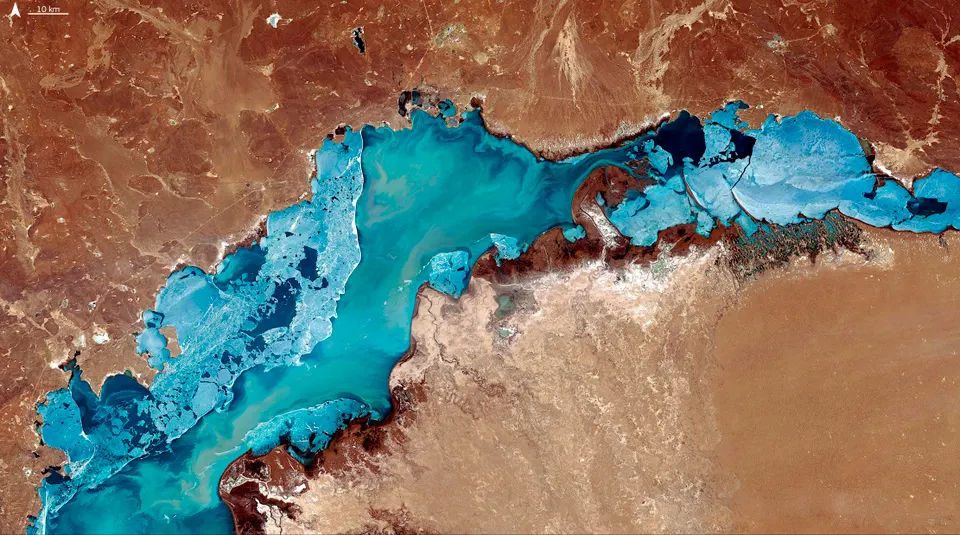
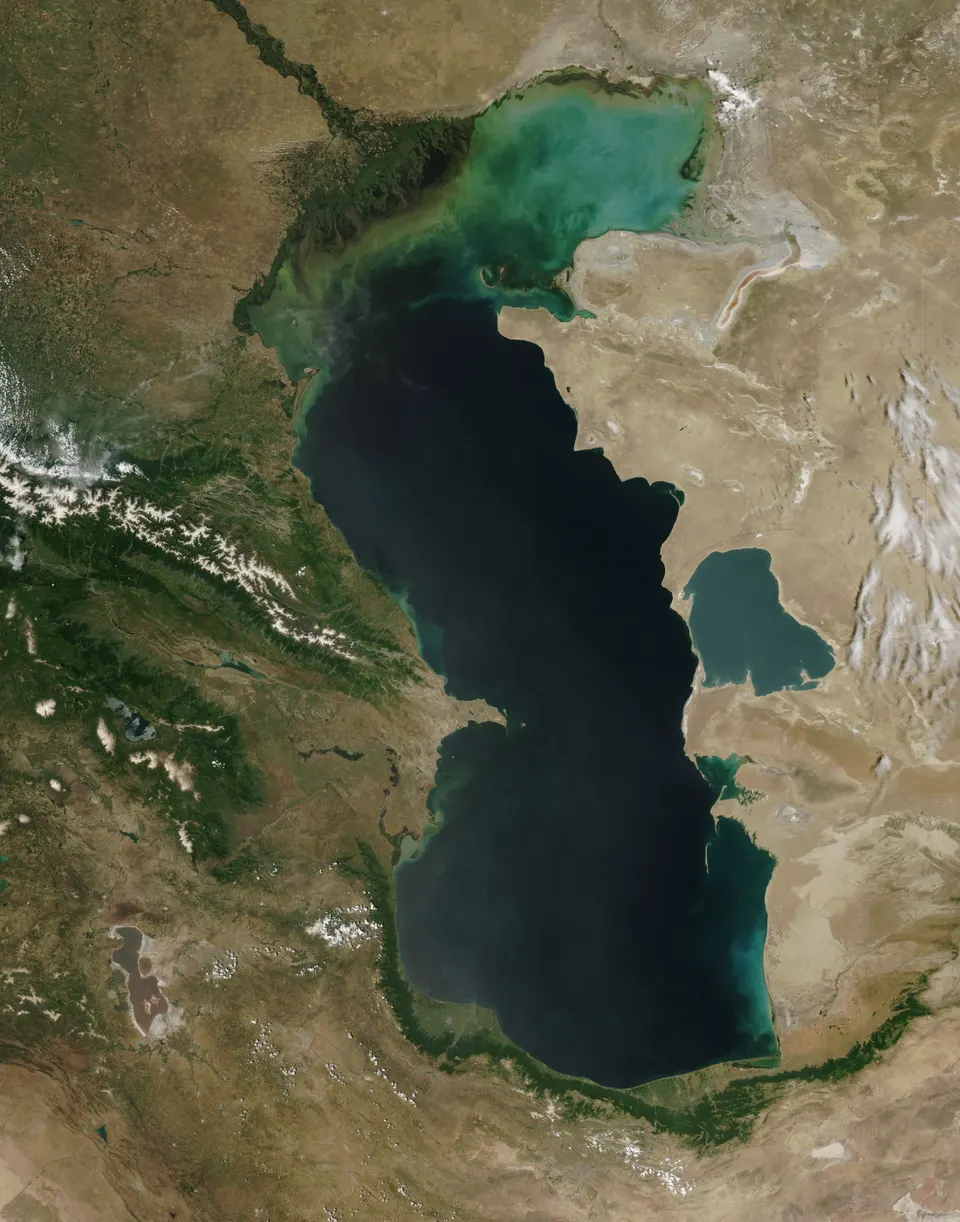
Tehran Sounds Alarm Over Caspian Sea’s Receding Waters
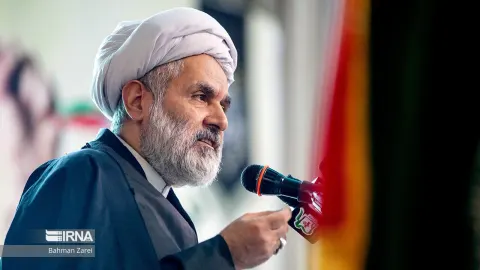
Closer to home, the Head of Iran’s Ports and Maritime Organization, Mohammad Shakibi-Nasab, has formally proposed the creation of a Caspian Sea consortium to monitor and mitigate the drastic decline in water levels. The receding coastline is no longer just an environmental concern; it has become a primary threat to maritime trade and port infrastructure. Iranian officials are urging littoral states—including Russia, Azerbaijan, Kazakhstan, and Turkmenistan—to move beyond individual monitoring and toward a unified scientific and economic response to prevent the permanent loss of vital shipping lanes.
This environmental crisis has direct economic consequences for the Iranian market. As water levels drop, the cost of dredging and maintaining port access rises, which eventually manifests as higher import costs. While the price of Gold 18k remained stable today at 19,121,381 Toman per gram, long-term infrastructure challenges like the Caspian shrinkage pose a far more systemic risk to Iran’s northern trade routes than daily market fluctuations. The proposed consortium represents a rare moment of diplomatic initiative aimed at securing the regional commons against the backdrop of climate change and industrial mismanagement.
The Global 'Mega-Dinghy' Trade and Supply Chain Risks
Beyond the immediate conflict zones, a new investigation into the production of large-scale inflatable vessels in China has revealed a sophisticated supply chain fueling illegal migration across the English Channel. These "mega-dinghies," some reaching eight meters in length, are being manufactured at a rate of 500 per month and sold without safety certifications. This industrial-scale production highlights the difficulty of regulating dual-use goods that can be repurposed for illicit activities, creating a persistent headache for European security services and impacting the geopolitical stability of the continent.
This story matters to the global economy because it underscores the resilience of shadow supply chains even in an era of heavy sanctions and trade monitoring. Whether it is the movement of people or the movement of prohibited tech, the ability of manufacturers to bypass international norms remains a significant hurdle for global policy. For investors, this reflects a broader trend of fragmentation where official trade data often misses the underlying movement of goods and capital. As markets like Bitcoin hold steady at $62,926, the real-world movement of assets—legal or otherwise—continues to shape the risk profile of the global financial system.

Frequently Asked Questions
Why is the Samara region significant in the Russia-Ukraine conflict?
How does the falling water level of the Caspian Sea affect the Iranian economy?
What is the 'mega-dinghy' trade and why should markets care?
The International North-South Transport Corridor (INSTC): Reshaping Global Trade
The news headline touches upon a confluence of geopolitical tensions, environmental challenges, and regional economic initiatives that collectively underscore the vulnerability and dynamism of global supply chains. At the heart of understanding how nations adapt to these pressures lies the concept of the International North-South Transport Corridor (INSTC). This ambitious multimodal network — combining sea, rail, and road routes — aims to connect India, Iran, Azerbaijan, Russia, Central Asia, and Europe, offering a significantly shorter and more cost-effective alternative to traditional maritime routes like the Suez Canal.
The INSTC has gained renewed prominence due to several factors highlighted in the keywords. Geopolitical conflicts, such as the ongoing war in Ukraine, have disrupted established trade flows and led to sanctions, compelling countries like Russia and Iran to seek alternative transit routes that bypass traditional chokepoints and Western-dominated shipping lanes. Furthermore, environmental concerns, such as fluctuating water levels in critical waterways like the Caspian Sea, directly impact the viability and efficiency of existing maritime transport, making multimodal corridors that integrate various transport methods more appealing and resilient.
For a curious reader, understanding the INSTC is crucial because it represents a tangible effort to de-risk global supply chains and foster new economic alignments. By reducing transit times and costs, it promises to boost trade between South Asia, the Middle East, and Europe, potentially shifting geopolitical influence and creating new economic hubs. Iran, strategically positioned at the crossroads of this corridor and actively proposing a "Caspian Consortium," plays a pivotal role in its development and success, leveraging its geography to enhance its regional and international standing.
However, the corridor is not without its challenges. Issues such as varying infrastructure standards, customs procedures, political will among participating nations, and the shadow of international sanctions (particularly on Iran and Russia) continue to pose hurdles. Despite these complexities, the INSTC remains a critical development to watch, as its evolution will significantly impact future global trade patterns, energy security, and regional cooperation, offering a fascinating case study in how nations navigate a rapidly changing world.
Topics
Related Articles