Trump Threatens ‘Economic D-Day’ Against Iran as Bitcoin Breaches $75k and Gold Climbs
تهدید «دی-دی اقتصادی» ترامپ علیه ایران؛ بیتکوین از مرز ۷۵ هزار دلار گذشت و طلا گران شد
President Trump’s latest rhetoric signals a massive shift toward total financial isolation for Iran, labeled as an 'Economic D-Day.' Simultaneously, Bitcoin has surged past $75,000 following record liquidations, while domestic gold prices in Iran hit new milestones.
At time of publishing
USD
190,700
Toman
Gold 18K
20.07M
Toman / gram
Bitcoin
$75,133
US Dollar
Tether
188,807
Toman
Trump’s ‘Economic D-Day’ and the Future of the Rial
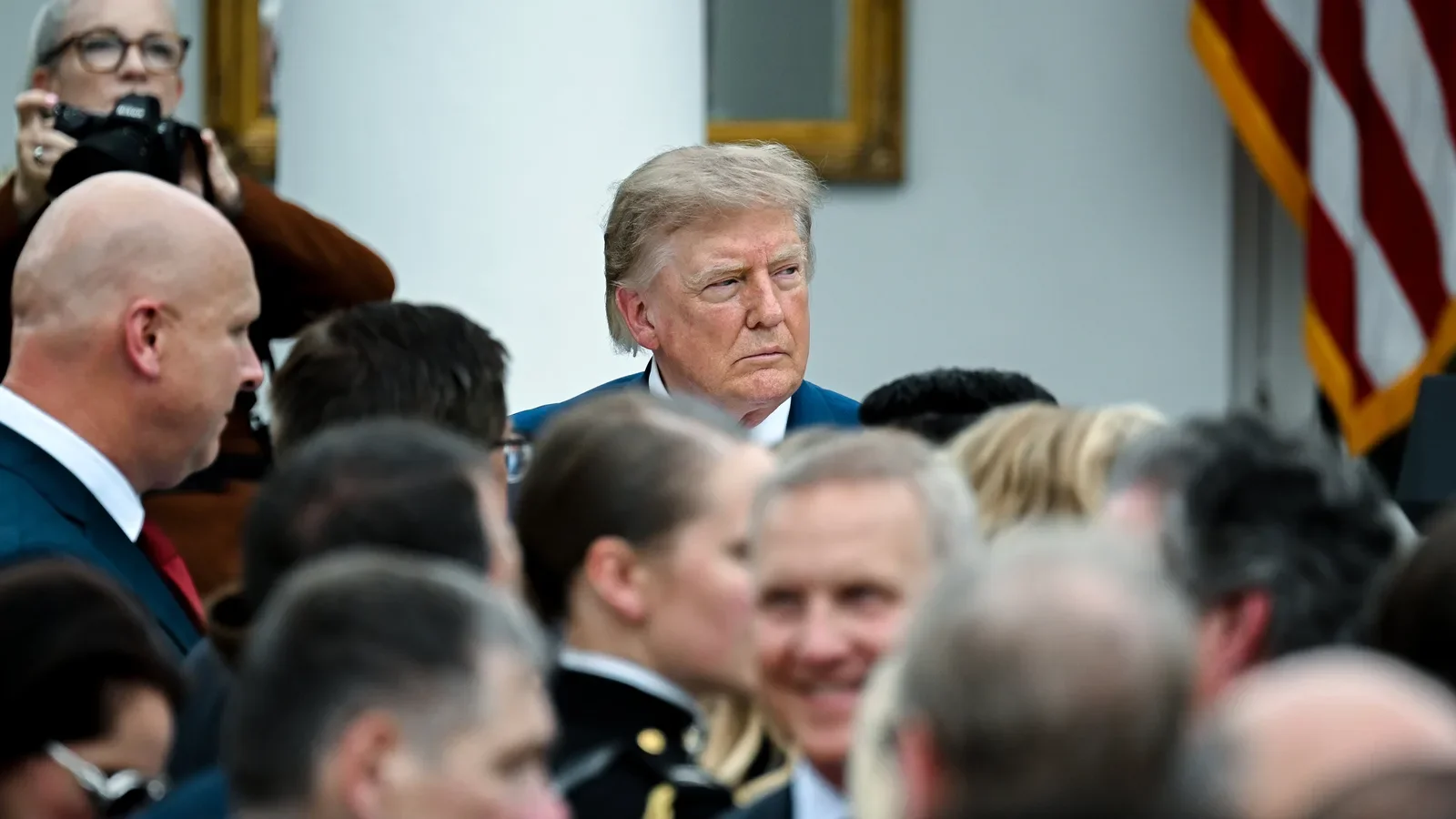
President Trump has intensified his rhetorical offensive against Iran, framing his upcoming policy shift as an "Economic D-Day." According to reports from the New York Times, this terminology is designed to signal a coordinated and overwhelming financial assault intended to achieve total isolation of the Iranian economy without resorting to direct kinetic warfare. While the administration claims this is a strategy to avoid war, for the Iranian public and markets, it represents a looming shadow over the already fragile economic landscape. The message is clear: the United States is looking to leverage the global financial architecture to force a collapse in Tehran’s remaining trade channels.
For the average Iranian citizen, this rhetoric often precedes a spike in the cost of living and currency volatility. Currently, the USD/IRR exchange rate remains stable at 190,700 Toman, but the psychological pressure of an "Economic D-Day" threatens to break this equilibrium. If the market perceives these threats as credible, we could see a rush toward hard assets as a hedge against another round of hyperinflation. The government’s ability to manage these expectations is increasingly hampered by its lack of transparency and the narrowing of its international banking options.
Bitcoin Smashes $75,000 Amid Record Liquidations
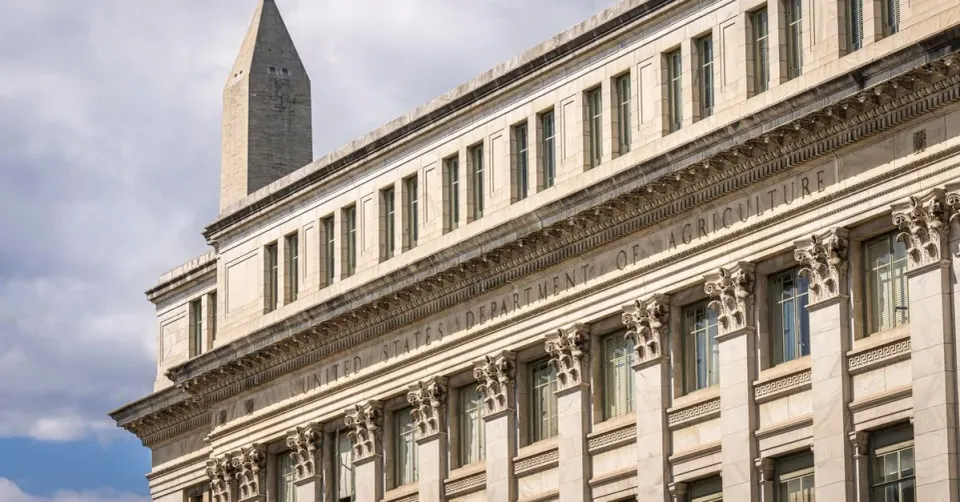
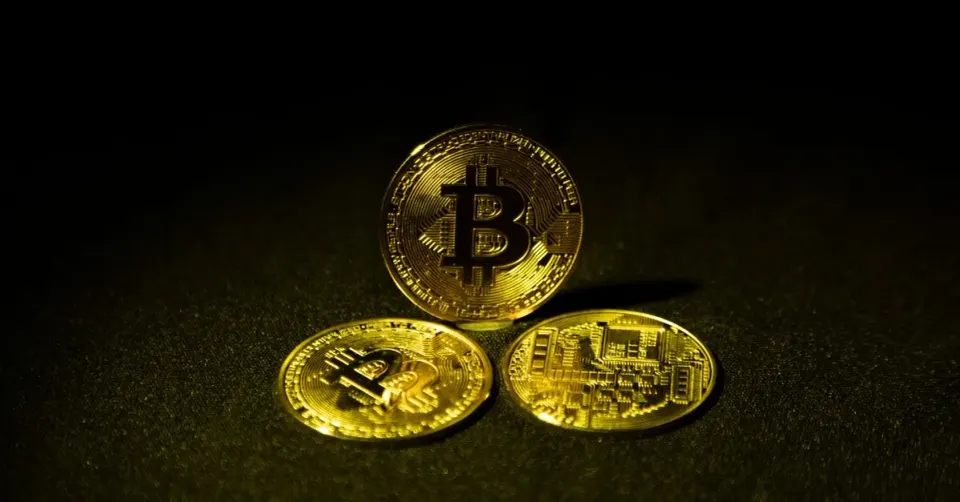
In the global markets, Bitcoin has staged a dramatic rally, breaking through the $75,133 mark as of this morning. This surge was fueled by a massive short squeeze, with approximately $3.8 billion in short positions wiped out over the last 48 hours—a figure that hasn't been seen since the market peaks of 2021. While the price action is undoubtedly bullish, some analysts, including those at MEXC Research, warn that the rally might be "premature." They suggest that markets are giving the U.S. Treasury’s recent interventions more credit than they deserve, potentially setting the stage for a sharp correction if upcoming economic data fails to meet expectations.
Domestically, the impact of Bitcoin’s rise is being felt as a secondary driver for asset demand. As global crypto markets heat up, Iranian investors often look to digital assets as a way to bypass local banking restrictions and protect their purchasing power from the aforementioned 'Economic D-Day' threats. However, with Ethereum trading at $2,362.73 and the market showing signs of extreme volatility, the risk of a sudden downturn remains a significant concern for those entering at these local highs.
Gold Hits New Milestones Amid Regional Instability
While the currency market remained flat over the last 24 hours, the gold market in Iran has seen a notable uptick. Gold 18k/gram rose from 19,954,753 to 20,072,487 Toman, a 0.6% increase that reflects growing anxiety over both domestic policy and regional geopolitics. This movement is closely tied to the rising price of the global gold ounce, which currently sits at $4,558.30. In times of high geopolitical tension, particularly with the escalating violence in the West Bank and the renewed threats from Washington, gold remains the ultimate safe-haven asset for Iranian households.
Beyond the price numbers, the underlying causes of this shift include reports of intensifying Israeli settler attacks in the heart of the West Bank, moving into areas previously considered more stable under Palestinian Authority governance. This escalation adds to the overall regional risk premium, making it unlikely that gold prices will cool down in the near term. For Iranians, the combination of a global gold rally and local currency insecurity creates a double-edged sword that continues to drive the cost of jewelry and coins like the Emami, which is currently holding steady at 199,500,000 Toman.
Frequently Asked Questions
What does Trump's 'Economic D-Day' mean for the Rial?
Why did Bitcoin rise so sharply today?
Is gold a safe investment right now in Iran?
Understanding Secondary Sanctions: How They Amplify Economic Pressure on Iran
Secondary sanctions are punitive measures that a country—most often the United States—imposes on non‑resident firms, banks, or individuals who engage in prohibited transactions with a sanctioned target. Unlike primary sanctions, which directly forbid U.S. persons from dealing with the target, secondary sanctions extend the reach of the embargo by threatening to cut off access to the U.S. financial system for anyone who helps the sanctioned party evade the primary rules. In practice, this means that a European bank that processes a payment for an Iranian oil buyer could find its U.S. dollar clearing privileges revoked, effectively forcing it to choose between the Iranian client and the U.S. market.
The legal authority for secondary sanctions comes from U.S. Treasury regulations, primarily administered by the Office of Foreign Assets Control (OFAC). These regulations are written to have extraterritorial effect, allowing the United States to leverage the global dominance of the dollar and its own financial infrastructure. OFAC publishes a list of “secondary sanctions programs,” which include Iran‑related designations that can be triggered when a foreign entity is deemed to be providing material support to Iran’s nuclear, missile, or terrorist‑related activities. Violations can result in steep fines, asset freezes, and denial of U.S. market access.
The ripple effects are felt across the broader financial ecosystem. Global banks, multinational corporations, and even crypto exchanges must implement robust compliance screens to avoid secondary sanctions risk. When a crypto platform processes a transaction that ultimately funds a sanctioned Iranian address, the platform may be black‑listed, leading to rapid liquidation of its assets and loss of liquidity. Similarly, gold dealers and commodity traders often shift to jurisdictions with less exposure to U.S. sanctions, causing price spikes as investors seek safe‑haven assets that are less vulnerable to sanction‑driven disruptions.
Politically, secondary sanctions are a tool for “economic D‑Day” strategies, allowing a government to exert pressure without direct military action. Former President Trump’s rhetoric about a massive sanctions wave against Iran relied on the threat of expanding secondary sanctions to choke off Iran’s ability to sell oil, obtain financing, and even trade in precious metals like gold. By signaling that any foreign firm assisting Iran could be cut off from the U.S. market, the U.S. creates a deterrent that can force Tehran to negotiate on issues ranging from nuclear commitments to regional behavior.
For investors and businesses, understanding secondary sanctions is essential to managing risk. Conducting thorough due‑diligence, using reputable compliance software, and diversifying exposure away from sanction‑prone jurisdictions can mitigate the threat of sudden asset freezes or market exclusion. As the geopolitical landscape evolves, secondary sanctions will likely remain a cornerstone of U.S. foreign policy, shaping the flow of capital, commodities, and even digital assets worldwide.