Markets Face Earnings Showdown as Iran Claims Gasoline Self-Sufficiency and AI Hits a Power Wall
تقابل سود شرکتها با نرخ بهره در بازارهای جهانی و ادعای خودکفایی بنزین در ایران
Global stocks enter a high-stakes week as strong corporate earnings clash with rising borrowing costs, while the Toman sees a slight retreat in Tehran. In a major energy shift, President Pezeshkian claims Iran has ended its reliance on gasoline imports despite ongoing economic pressures.
At time of publishing
USD
262,100
Toman
Gold 18K
25.95M
Toman / gram
Bitcoin
$81,393
US Dollar
Tether
261,534
Toman
The High-Stakes Collision: Earnings vs. Borrowing Costs
As of Sunday, October 18, 2026, global financial markets are entering what analysts describe as a high-stakes showdown. While corporate earnings reports, particularly in the technology sector, have shown remarkable resilience, they are now colliding head-on with the reality of rising borrowing costs. The narrative that the 'AI trade' is immune to bond market volatility is being tested as yields climb, making the cost of capital a significant headwind for even the most profitable tech giants. Investors are increasingly wary that strong earnings may not be enough to sustain current valuations if interest rate uncertainty continues to weigh on the broader economy.
This tension is particularly visible in the equity markets, where the correlation between bond yields and stock prices has tightened. Strategists note that the 'triple-top' warnings seen earlier this week are becoming more pronounced as the market struggles to break through resistance levels. For the retail investor, this means a period of heightened volatility where fundamental growth is being neutralized by the macroeconomic environment. The focus is shifting from simple revenue growth to how effectively these companies can manage debt and maintain margins in a high-rate environment.
Iran’s Energy Pivot: Gasoline Self-Sufficiency Claims
In Tehran, President Masoud Pezeshkian has announced that Iran no longer needs to import gasoline, a statement intended to signal resilience in the face of what he termed the 'US economic war.' According to the President, consumption management and conservation efforts have allowed the country to bridge the gap between production and domestic demand. This is a significant claim for the Iranian economy, which has historically struggled with high fuel subsidies and a massive consumption rate that often outpaced domestic refinery capacity. If verified, this shift could reduce the drain on the country's foreign exchange reserves, providing a buffer for the Toman.
However, the announcement comes at a time when the domestic market is seeing a mild correction. On this Sunday, October 18, 2026, the USD sell price in the open market moved from 263,400 to 262,100 Toman, marking a 0.5% decrease. While the gasoline news provides a positive narrative for the government, the underlying economic pressure remains high. Critics often point out that 'consumption management' in the Iranian context can sometimes mean supply restrictions or quality issues, and the long-term sustainability of this self-sufficiency will depend on the government's ability to modernize its aging refinery infrastructure without access to global capital.
---
The AI Infrastructure Bottleneck: Microsoft’s Essex Exit
In a stark reminder that the digital revolution is ultimately tethered to physical reality, Microsoft has pulled out of a massive AI datacentre project in Essex, UK. The project, which was heralded as the largest of its kind in the country, has hit a wall due to concerns over power supply reliability. This development underscores a growing crisis in the tech world: while software and chip capabilities are advancing at breakneck speed, the electrical grids of major economies are struggling to keep up. The withdrawal of an anchor tenant like Microsoft is a major blow to the UK's ambitions to become a global AI hub.
This infrastructure bottleneck means that the next phase of AI growth will not be determined by who has the best algorithms, but by who has the most reliable access to energy. For investors, this signals a shift in focus toward utility providers and energy infrastructure companies as the 'picks and shovels' of the AI era. The Essex setback is likely to trigger a policy debate in the UK and beyond regarding how to prioritize industrial power needs over residential demand, especially as the transition to green energy complicates the stability of the grid.
Bitcoin’s $100,000 Debate Amid Inflation Clouds
In the cryptocurrency space, Bitcoin continues to hold near the $81,393 mark, but the community is deeply divided over its year-end prospects. While firms like Bitwise remain optimistic about a push toward the legendary $100,000 milestone, other analysts warn that persistent inflation is casting a long shadow over the market. The core of the debate lies in whether Bitcoin will act as a 'digital gold' hedge against inflation or if it will continue to trade as a high-risk asset that suffers when central banks keep interest rates elevated to combat rising prices.
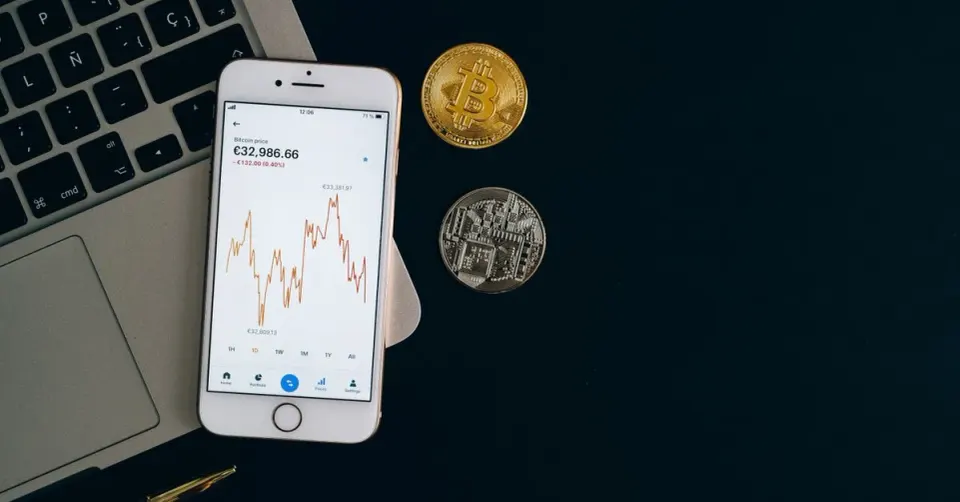
For the Iranian crypto community, where Tether (USDT) is currently trading at 261,534 Toman, these global fluctuations are magnified by local currency movements. The 24-hour data shows a slight cooling in the gold and coin markets, with Emami coins dropping 0.6% to 265,000,000 Toman. This suggests that while the $100k dream remains alive for some, the immediate sentiment is one of caution. Investors are looking for clear signals from the US Federal Reserve, as any hint of a rate cut could be the catalyst needed for a crypto breakout, while continued hawkishness could lead to a deeper correction.
Cultural Resilience: The Arts in an Age of Austerity
Beyond the spreadsheets and trading screens, a unique story is unfolding in Bristol, where the Old Vic theatre is tackling an 'arts emergency' by bringing performances directly into classrooms. As household and school budgets are squeezed by the cost-of-living crisis, traditional cultural institutions are finding new ways to remain relevant. By offering free plays to students, the theatre is addressing a central question of 2026: what does it mean to be young in a Britain defined by economic transition and shifting cultural identities? This initiative highlights the importance of social infrastructure during times of financial stress, proving that the value of the arts cannot always be measured in Toman or Dollars.
Frequently Asked Questions
Why did Microsoft pull out of the AI project in Essex?
What is the significance of Iran's gasoline self-sufficiency claim?
Why are global stocks struggling despite strong earnings?
The Economic Power of Energy Self-Sufficiency
In a world increasingly shaped by geopolitical shifts and economic pressures, a nation's ability to produce its own essential resources, particularly energy, holds significant economic weight. When a country achieves energy self-sufficiency, such as becoming self-reliant in gasoline production, it fundamentally alters its economic landscape. This independence reduces the need for costly imports, thereby conserving valuable foreign exchange reserves—currencies like the U.S. dollar, which are crucial for international trade and debt servicing.
The direct impact of reduced energy imports is seen in a country's balance of payments. The balance of payments is a record of all economic transactions between residents of a country and the rest of the world over a certain period. By importing less, a nation improves its current account balance, as fewer domestic funds are converted into foreign currency to pay for imported goods. This decreased demand for foreign currency can help stabilize or even strengthen the domestic currency's exchange rate, such as the Iranian Rial or Toman, against major international currencies like the USD.
Furthermore, for economies operating under international sanctions, energy self-sufficiency becomes a strategic imperative. Sanctions often target a country's ability to export its own resources or import vital goods, including refined petroleum products. By producing its own gasoline, a sanctioned nation mitigates its vulnerability to external supply disruptions and reduces the effectiveness of such punitive measures. This resilience can lessen the economic hardship on its citizens and provide greater autonomy in its economic and foreign policy decisions.
Beyond currency stability and sanctions resilience, domestic energy production fosters local industries, creates employment opportunities, and can stimulate technological advancement within the country. It shifts investment from importing to local production, creating a multiplier effect throughout the economy. Therefore, claims of gasoline self-sufficiency are not just about meeting domestic demand but represent a broader strategy for economic stability, currency management, and national sovereignty.