BBC Pauses Civil Service Ties as 1,000-Drone Strike Hits Russian Oil Infrastructure
تعلیق همکاری بیبیسی با دولت بریتانیا و حمله بیسابقه پهپادی به تأسیسات نفتی روسیه
The BBC has suspended its civil service secondment program to safeguard editorial independence, while a massive Ukrainian drone offensive against Russian oil depots has shattered a brief energy ceasefire, sending ripples through global energy markets.
At time of publishing
USD
262,100
Toman
Gold 18K
26.00M
Toman / gram
Bitcoin
$81,067
US Dollar
Tether
261,676
Toman
Media Independence Under the Microscope: The BBC’s Strategic Retreat
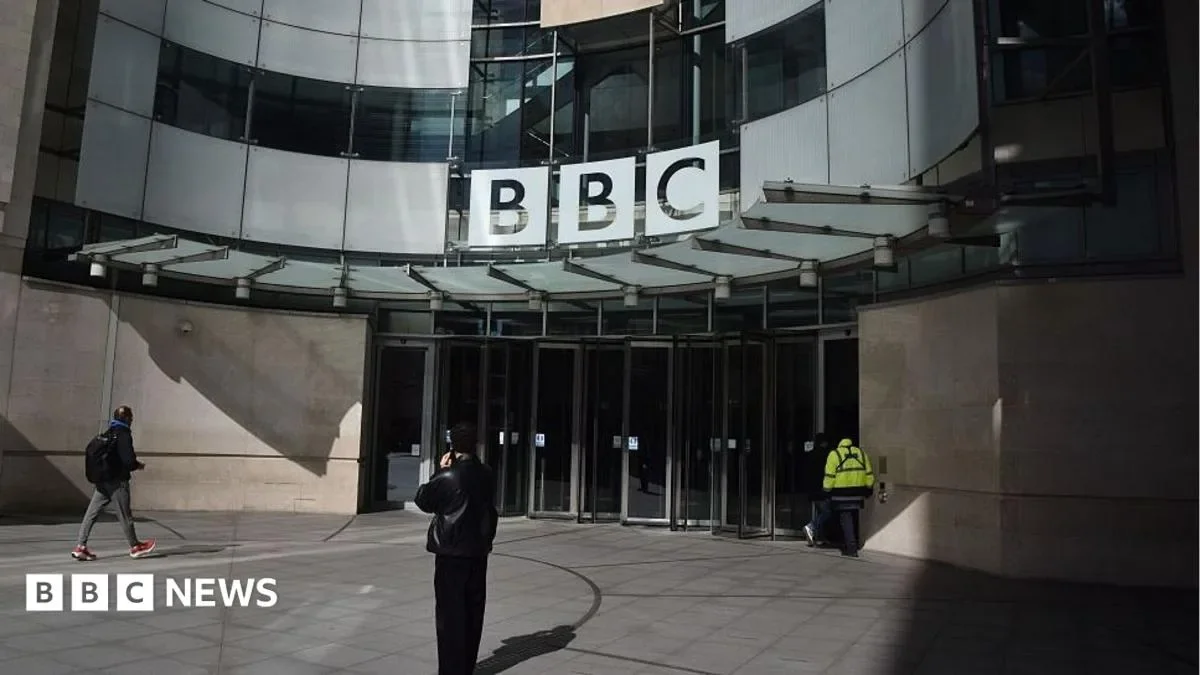
In a move that underscores the growing sensitivity around media impartiality, the BBC has officially paused its long-standing civil service secondment scheme. This program, which allowed journalists and editorial staff to temporarily work within government departments, has come under intense scrutiny as critics argue it blurs the lines between independent journalism and state influence. The broadcaster stated that while the scheme was intended to foster mutual understanding, the priority remains ensuring that all editorial decisions are made solely by BBC staff, free from even the perception of government overreach.
This decision comes at a time when public trust in institutional media is fragile. For the BBC, maintaining a distance from the British civil service is not just a matter of internal policy but a vital component of its global brand as an objective news source. By halting these secondments, the corporation aims to insulate its newsroom from accusations of being a mouthpiece for the state, especially as political polarization intensifies. For readers in regions where state-controlled media is the norm, this move serves as a reminder of the constant tension between funding structures and the pursuit of journalistic autonomy.

Energy Markets Rattle as 1,000 Drones Shatter the 'Energy Ceasefire'
The geopolitical landscape shifted violently today as Ukraine launched one of its largest aerial bombardments to date, deploying over 1,000 drones to target Russian oil depots, logistics hubs, and data centers. This massive operation effectively ends the short-lived and unilaterally declared "energy ceasefire" that had been associated with the early diplomatic maneuvers of the Trump administration. Reports indicate significant damage at an oil refinery near Saint Petersburg, with at least one fatality confirmed and multiple injuries as fire crews struggle to contain the blazes.
This escalation has immediate consequences for global energy stability. The targeting of oil infrastructure is a direct blow to Russia’s primary revenue stream and disrupts the delicate supply-demand balance that has kept oil prices relatively stable in recent weeks. As logistics facilities and data centers also come under fire, the conflict is moving deeper into the technological and economic heart of the region. For Iranian markets, which are hyper-sensitive to regional instability and global oil fluctuations, this renewed intensity signals a period of heightened volatility and potential pressure on transit and energy corridors.
S&P 500 Earnings Growth and the Toman’s Sunday Retreat
On the financial front, the S&P 500 is bracing for a significant earnings season, with unexpected heavyweights like Boeing and Meta expected to be major drivers of growth. Despite Boeing's recent operational hurdles, the low bar set by last year’s steep charges means that current results are likely to show dramatic year-over-year improvement. Similarly, Meta’s continued dominance in digital advertising and EchoStar’s shifting financial position are being eyed by analysts as the primary engines that could push the index to new heights, even as broader economic concerns persist.
Locally, the Iranian Toman experienced a minor correction during Sunday’s trading sessions. The USD sell rate moved from 263,400 to 262,100, representing a -0.5% decrease over the last 24 hours. This slight cooling of the exchange rate was mirrored in the gold market, where 18k gold dipped -0.2% to 26,000,738 Toman per gram. While these movements are relatively small, they reflect a cautious market sentiment as traders weigh the impact of regional diplomatic efforts, such as Foreign Minister Araghchi’s recent discussions with his Pakistani counterpart, against the backdrop of escalating conflict in Eastern Europe.
Crypto Stability and the Rise of Digital Payments
Bitcoin remains the anchor of the cryptocurrency market, holding steady at $81,067. While the explosive growth seen earlier in the year has moderated, the underlying infrastructure of the crypto economy is maturing rapidly. New data reveals that stablecoin payments have jumped by 45% this year, reaching a staggering $482 billion. This surge is largely attributed to major payment processors like Visa, Mastercard, and Stripe integrating crypto rails into their traditional systems, effectively bridging the gap between digital assets and everyday consumer spending.
For the Iranian user, this trend highlights the increasing utility of stablecoins beyond mere speculation. As traditional financial systems become more integrated with blockchain technology, the role of USDT (currently trading at 261,676 Toman) as a tool for cross-border transactions and value preservation becomes even more central. However, security remains a paramount concern; recent reports from firms like Hacken warn that crypto audits can provide a false sense of security, with Q3 hacks costing investors over $1.18 billion. This serves as a critical reminder to exercise caution and utilize secure, reputable platforms for all digital asset management.
Frequently Asked Questions
چرا بیبیسی همکاری با دولت بریتانیا را متوقف کرد؟
حمله پهپادی اوکراین چه تاثیری بر قیمت نفت دارد؟
وضعیت بازار ارز و طلا در ایران امروز چگونه بود؟
Understanding Economic Warfare in Modern Geopolitics
Economic warfare refers to the strategic use of economic measures by a state or group of states to weaken the economy of another state. Unlike traditional military conflict, which relies on direct armed confrontation, economic warfare employs tools such as sanctions, trade embargoes, asset freezes, and even cyberattacks on financial systems to achieve political or military objectives. The goal is often to disrupt an adversary's financial stability, limit their ability to fund military operations, or compel a change in their policies without resorting to direct military intervention.
Key tactics in economic warfare include imposing comprehensive trade restrictions, blocking access to international financial networks (like SWIFT), freezing assets of individuals or entities, and targeting critical economic infrastructure. For instance, the recent drone strikes hitting Russian oil infrastructure, as mentioned in the headline, exemplify an attempt to cripple an adversary's vital energy sector, thereby impacting its revenue and capacity to sustain conflict. This direct targeting aims to inflict economic pain that can translate into strategic advantage.
Another prominent form of economic warfare involves the application of broad economic sanctions. These measures, often imposed by international bodies or powerful nations, aim to isolate a target country from the global economy. Iran, for example, has faced extensive international sanctions for decades, significantly impacting its currency (the Rial/Toman) and its overall economic stability, as hinted by the "USD IRR price 2026" and "Toman market correction" keywords. Such sanctions restrict access to foreign currency, limit trade, and deter foreign investment, leading to inflation and economic hardship for the populace.
The effectiveness of economic warfare is a subject of ongoing debate. While it can exert significant pressure and disrupt an adversary's capabilities, it also carries risks, including humanitarian consequences for civilian populations and potential blowback on the imposing nations. However, in an increasingly interconnected world, economic warfare has become a sophisticated and frequently deployed alternative or complement to conventional military action, shaping international relations and global power dynamics. Understanding its mechanisms is crucial for interpreting current geopolitical events.
Topics
Related Articles