UK Deficit Shocks Markets as Bitcoin Hits $76,377 Peak Amid Trump’s New Sanction Threats
شوک کسری بودجه بریتانیا و سقفشکنی بیتکوین در ۷۶ هزار دلار همزمان با تهدیدهای تحریمی ترامپ
The UK reports a surprise £1.8bn deficit as Chancellor John Healey prepares a tough budget, while Bitcoin reaches a historic $76,377 fueled by massive ETF inflows. Meanwhile, Trump’s rhetoric on secondary sanctions and a UAE embargo signal a tightening economic circle around Iran.
At time of publishing
USD
190,700
Toman
Gold 18K
20.21M
Toman / gram
Bitcoin
$76,377
US Dollar
Tether
188,875
Toman
UK’s Fiscal Reality Check: A £1.8bn Deficit Surprise
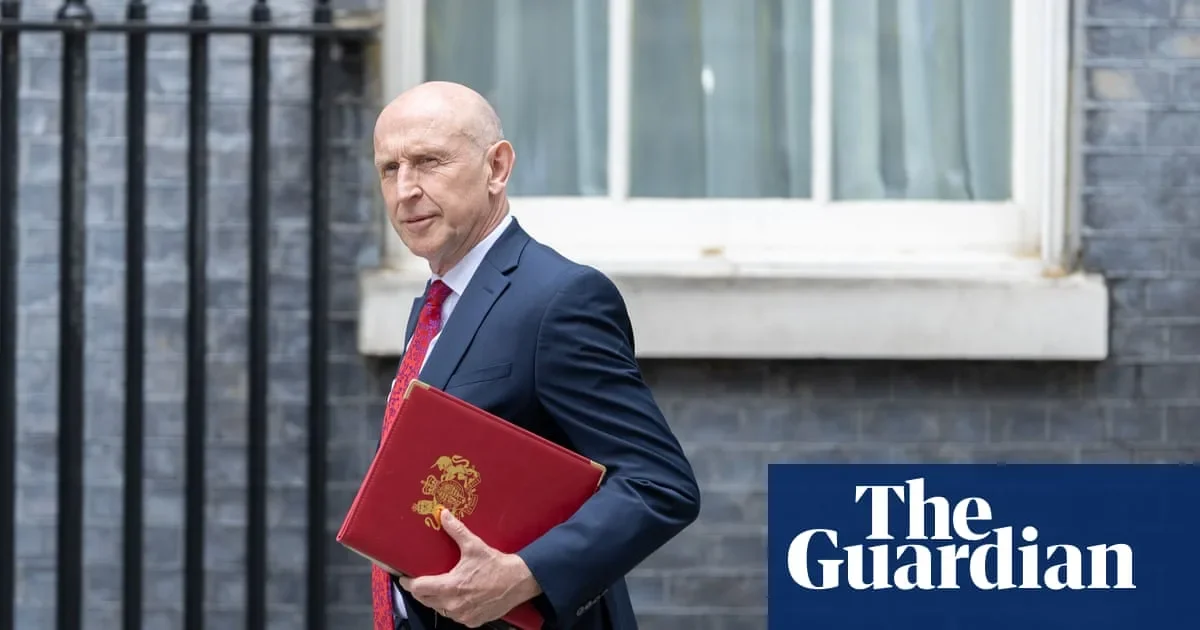
The United Kingdom’s public finances have taken a sharp and unexpected turn, with official data revealing a public sector net deficit of £1.8 billion for July 2024. This figure has caught City economists off guard, as most had predicted a balanced budget or even a small surplus for the month, which typically benefits from high self-assessment tax receipts. Total public debt has now climbed to a staggering £2.98 trillion, representing approximately 94% of the nation's GDP. This fiscal gap underscores the immense pressure on the new Chancellor, John Healey, as he prepares to deliver his first budget in an environment where the 'fiscal black hole' appears deeper than previously estimated.
The implications for the British economy are significant. With debt growing by £96 billion over the past year, the government’s ability to fund public services without raising taxes or increasing borrowing is severely limited. Chancellor Healey has reiterated a commitment to fiscal rules, yet the rising deficit suggests that the upcoming budget may involve difficult choices regarding spending cuts or tax hikes. For global investors, this data serves as a reminder that even major G7 economies are struggling to balance post-pandemic recovery with high interest rates and stagnant productivity, potentially leading to increased volatility for the British Pound in the coming weeks.

Bitcoin Smashes $76,000 as Institutional Floods Hit the Market
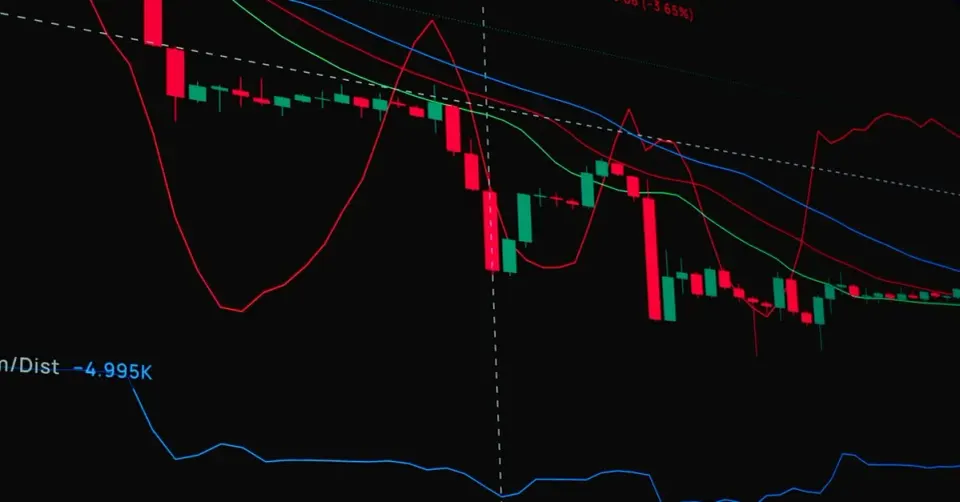
While the UK struggles with traditional debt, the digital asset market is witnessing a historic frenzy. Bitcoin has officially breached the $76,377 mark, setting a new all-time high as institutional demand reaches a fever pitch. On August 20 alone, spot Bitcoin ETFs saw a massive inflow of $606 million, while Ethereum funds attracted $221 million. This surge is not merely retail speculation; it is driven by a sustained 'institutional bid' as major financial entities integrate crypto into their portfolios. The Relative Strength Index (RSI) for Bitcoin has touched a blistering 94.4, a level that indicates extreme bullish momentum but also warns of a highly overbought market that could face a technical correction.
In the Iranian market, this global rally has maintained high demand for stablecoins. Tether (USDT) is currently trading at 188,875 Toman, closely tracking the free market USD rate which remains stable at 190,700 Toman. The lack of movement in the USD/IRR pair (+0.0%) over the last 24 hours suggests that the local currency market is in a 'wait-and-see' mode, even as gold prices climbed 1.3% to reach 20,210,997 Toman per gram of 18k gold. The divergence between a flat currency and rising gold/crypto suggests that Iranian investors are seeking hedges against potential geopolitical shifts rather than reacting to immediate liquidity changes.
Trump’s Economic Shadow: The UAE Embargo and Regional Pressure
For Iranian observers, the most pressing development is the intensifying economic encirclement signaled by both US political rhetoric and regional policy shifts. Donald Trump has recently suggested that his administration would impose severe economic penalties on any country that continues to do business with Iran, a move clearly aimed at cutting off the remaining lifelines of the Iranian economy. This 'Economic D-Day' rhetoric is already manifesting in the real world; the United Arab Emirates, long considered Iran’s most vital regional trading hub, reportedly implemented a total embargo on transactions with Tehran this past Tuesday. This move by the UAE is a critical blow, as Dubai has historically served as the primary gateway for Iranian imports and currency exchange.
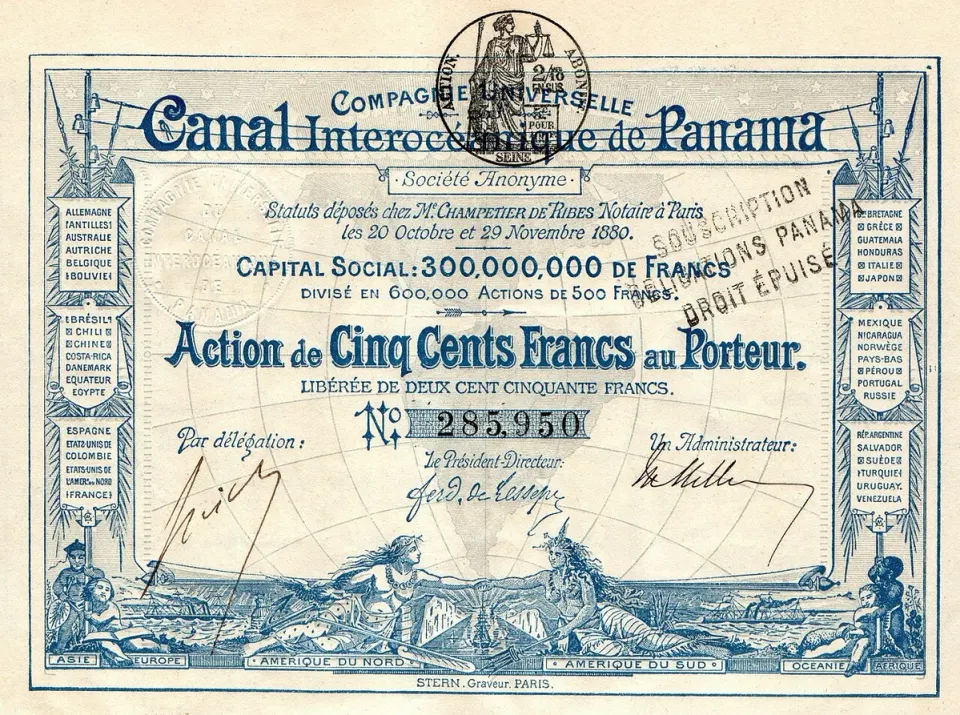
The tightening of the noose in the Gulf suggests that the 'informal' channels Iran used to bypass sanctions are being systematically closed. If the UAE maintains this embargo, the pressure on the Rial will likely transition from psychological to structural, as the physical supply of Dirhams and Dollars through regional exchanges dries up. Furthermore, the Panama Canal’s decision to cut ship transits due to El Niño-induced water shortages is complicating global energy and commodity routes, which could indirectly raise the cost of imported goods for Iran. Between renewed US threats and a shifting stance from regional partners, the Iranian government faces a narrowing path for economic survival without significant diplomatic concessions.
Frequently Asked Questions
Why did Bitcoin reach a new all-time high of $76,377?
How does the UAE's reported transaction embargo affect the Iranian Rial?
What is the significance of the UK's £1.8bn deficit for global markets?
Is Bitcoin currently overbought following this rally?
The Far-Reaching Impact of Economic Sanctions
Economic sanctions are a powerful tool of foreign policy, representing a middle ground between diplomacy and military intervention. They are punitive measures imposed by one or more countries against a target country, entity, or individual, with the aim of altering their behavior without resorting to armed conflict. These measures can take various forms, including trade embargoes, asset freezes, travel bans, restrictions on financial transactions, and limitations on access to specific technologies or goods. The ultimate goal is often to pressure the target into complying with international norms, ceasing illicit activities, or changing political policies, such as nuclear proliferation, human rights abuses, or support for terrorism.
The mechanism of sanctions primarily works by isolating the target from the global financial and trade systems. By cutting off access to international markets, banking services, and critical imports, sanctions aim to inflict economic pain severe enough to force a policy change. However, sanctioned entities often develop sophisticated strategies to circumvent these restrictions. This frequently involves turning to alternative financial channels, such as cryptocurrencies like Bitcoin and stablecoins like Tether, or traditional safe havens like gold. For instance, in economies facing severe sanctions, these assets can become vital for conducting international trade, preserving wealth, or simply maintaining economic activity outside the conventional, monitored financial system.
The broader market implications of sanctions are significant. They introduce geopolitical risk and uncertainty, which can lead to volatility in commodity markets, particularly oil and gas, as supply chains are disrupted or access to key producers is restricted. Furthermore, sanctions can accelerate the adoption of decentralized finance and alternative currencies as individuals and businesses seek ways to bypass traditional banking systems. The mention of Bitcoin hitting an all-time high amid sanction threats highlights how such geopolitical instability can drive demand for assets perceived as hedges against traditional financial system vulnerabilities or currency devaluation, especially in regions like Iran where local currency (Toman) stability might be compromised.
While sanctions are intended to be precise, their effects often spill over, impacting the general populace of the target country and sometimes even third-party nations. They can lead to humanitarian concerns, inflation, and a decline in living standards, often without achieving the desired behavioral change from the targeted regime. This complexity underscores the ongoing debate about their effectiveness and ethical considerations, as nations continually weigh the costs and benefits of deploying such economic levers in an interconnected global economy.