Carrier Swap Amid 'Economic D-Day': US Tightens Hezbollah Sanctions as Oil Bulls Seize Control
چرخش ناوهای آمریکایی در سایه «دی-دی اقتصادی»؛ تشدید تحریمهای حزبالله و جهش قیمت نفت
The USS George Washington arrives to relieve a weary USS Lincoln as the US Treasury designates Hezbollah as an IRGC extension. Meanwhile, oil prices surge toward $87 as the collapse of diplomatic talks leaves the Strait of Hormuz in a state of high tension.
At time of publishing
USD
190,600
Toman
Gold 18K
20.27M
Toman / gram
Bitcoin
$76,710
US Dollar
Tether
190,533.862
Toman
The Naval Rotation: Morale Cracks and Strategic Shifts
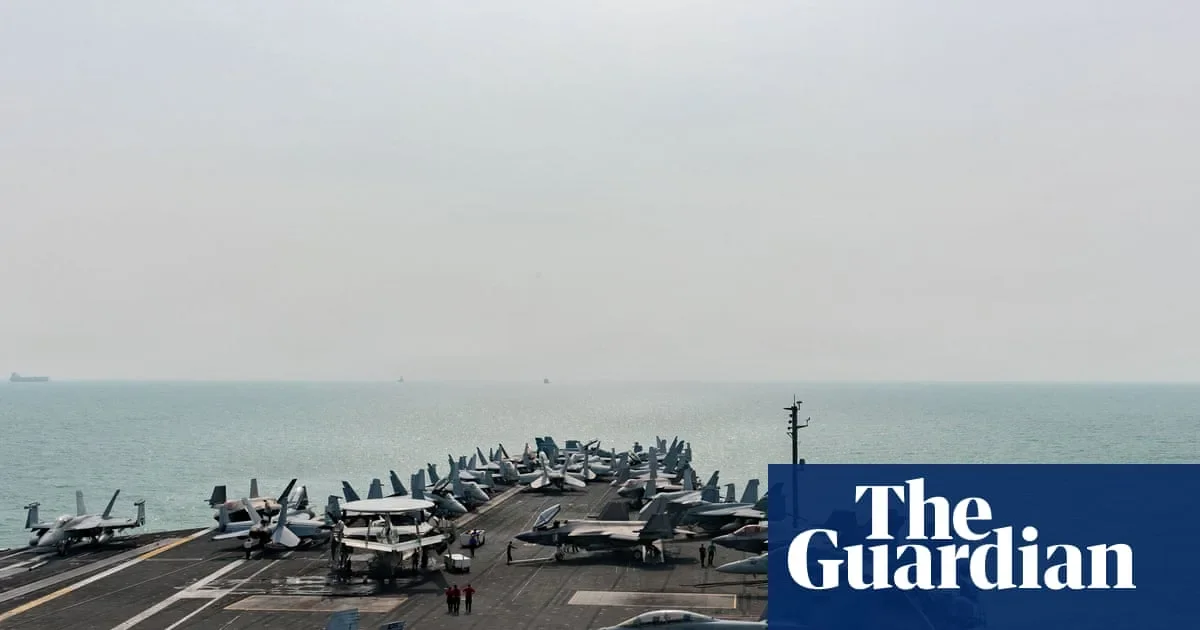
The arrival of the USS George Washington in Middle Eastern waters marks a pivotal moment in the ongoing maritime standoff. This carrier is set to relieve the USS Abraham Lincoln, which has been deployed for over 250 days—a record-breaking stint that has reportedly pushed its crew to the breaking point. Reports from military families and internal investigations suggest that the Lincoln has faced severe shortages of fresh food and water, plumbing failures, and a significant decline in mental health among the 5,000 sailors and marines on board. The deployment, largely focused on deterring Iranian regional movements, has become a lightning rod for Democratic lawmakers demanding answers from the Pentagon regarding the sustainability of such long-term sea missions.
For the regional balance of power, this rotation ensures that the United States maintains a continuous heavy naval presence despite the logistical and human costs. The George Washington brings fresh capabilities and rested personnel to a theater that remains on high alert. This shift occurs as Tehran monitors U.S. aircraft operating from regional bases with increasing scrutiny. While the swap is technically a routine relief operation, the timing—amidst threats of an "Economic D-Day" from Washington—signals that the military posture is being maintained at peak capacity to support upcoming diplomatic and economic pressures.
Financial Warfare: Hezbollah Labeled an IRGC Extension
In a major escalation of financial pressure, the U.S. Treasury has officially designated the Lebanon-based group Hezbollah as a direct proxy and "extension" of the Islamic Revolutionary Guard Corps (IRGC) Quds Force. This move goes beyond previous designations by specifically targeting the intricate funding networks that bridge Tehran and Beirut. By labeling the group in this manner, the U.S. is effectively treating Hezbollah’s financial assets as Iranian state assets, making it significantly harder for third-party banks and international intermediaries to facilitate any transactions without triggering secondary sanctions. This is a clear attempt to choke the liquidity that sustains regional operations during a period of heightened friction.
This designation coincides with a broader regional decoupling, most notably illustrated by the United Arab Emirates’ recent decision to suspend trade and financial transactions with Iran. The UAE’s move followed accusations of missile fire toward vessels off the Emirati coast—claims that Tehran has denied. However, the cumulative effect of these sanctions and the loss of the UAE as a financial conduit creates a pincer movement on the Iranian economy. For the average observer, this signifies a shift from targeted sanctions against individuals to a comprehensive blockade of the financial infrastructure that supports the "Axis of Resistance."
The Oil Surge and Local Market Reflexes
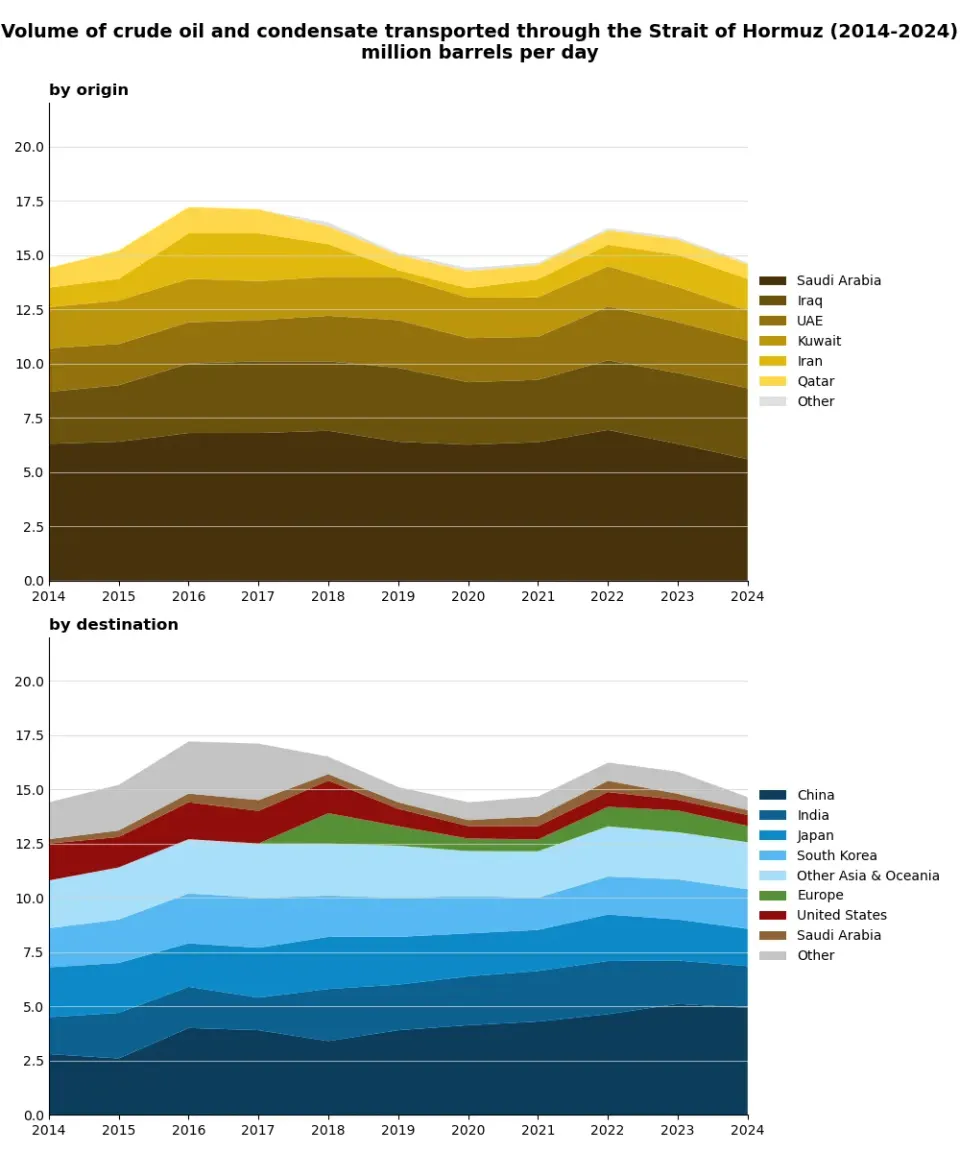
Energy markets have reacted sharply to the collapse of potential diplomatic breakthroughs, with oil bulls taking definitive control of the narrative. WTI crude oil futures surged toward $86.31, a nearly 6% increase for the week, as traders priced in the reality that the Strait of Hormuz remains restricted and a ceasefire is nowhere in sight. The market had been holding out for a deal that might ease supply constraints, but as Washington and Tehran move further apart, the risk premium on every barrel of oil has returned with a vengeance. This spike in global energy costs is expected to ripple through international inflation data, further complicating the task for central banks.
In the domestic Iranian market, the reaction to these geopolitical headwinds is visible in the flight to hard assets. While the USD/IRR exchange rate showed a marginal decline of 0.1%, moving from 190,700 to 190,600 Toman, the price of gold has surged. Gold 18k/gram rose from 19,954,753 to 20,268,710 Toman, a 1.6% increase within 24 hours. This disconnect between the dollar and gold suggests that local investors are prioritizing the global safe-haven rally in gold (which reached $4,583 per ounce) over currency speculation, anticipating that the "Economic D-Day" promised by the U.S. administration could lead to further volatility in the coming months.
Defiance in Tehran: Ghalibaf and the Defense Mandate
In response to the tightening net of international pressure, high-ranking officials in Tehran have adopted a stance of strategic defiance. Mohammad Bagher Ghalibaf, a key figure in the country’s legislative and negotiating circles, emphasized that Iran must develop a concrete plan to overcome what he termed "unjust" U.S. sanctions. His comments come as a direct rebuttal to the aggressive rhetoric emanating from the Trump administration, suggesting that the Iranian government is preparing for a long-term economic war rather than seeking immediate concessions. This "resistance economy" narrative is being reinforced by the acting defense minister, who stated that Iran’s military power is strictly for prevention but warned that no invasion or aggression against the country’s territory would be tolerated.
What this means for the Iranian public is a continued period of economic austerity and strategic uncertainty. The government’s insistence on self-reliance and the prevention of military aggression aims to project strength, yet the reality of suspended trade with neighbors like the UAE poses a significant challenge to the supply of essential goods and industrial components. As the two sides move toward a more confrontational phase, the focus in Tehran has shifted from the negotiating table to the logistics of survival and the fortification of regional alliances, even as those alliances come under unprecedented financial fire from the U.S. Treasury.
Frequently Asked Questions
Why is the US rotating aircraft carriers right now?
What does the new Hezbollah designation mean for the regional economy?
Why did gold prices rise in Iran while the dollar stayed flat?
The Geopolitical Leverage of Economic Sanctions
Economic sanctions are a potent tool of foreign policy, increasingly favored by nations to achieve specific geopolitical objectives without resorting to direct military intervention. At their core, sanctions are punitive economic measures imposed by one or more countries on another country, specific entities, or individuals. Their primary aim is to coerce the target into altering its behavior, deter future undesirable actions, or simply to punish past transgressions. This can range from promoting human rights and counter-terrorism to preventing nuclear proliferation or, as seen with Iran, disrupting financing for regional proxies like Hezbollah.
These measures operate through various mechanisms. They can involve asset freezes, trade embargoes on specific goods or entire sectors, travel bans, or restrictions on financial transactions, effectively cutting off the target from the global financial system. By limiting access to international markets, technology, and capital, sanctions aim to create significant economic pressure. For instance, sanctions against organizations like Hezbollah and the IRGC are designed to cripple their financial networks, making it harder for them to fund operations and exert influence.
On the target country, the impact of comprehensive sanctions can be profound and far-reaching. They often lead to severe economic distress, characterized by currency devaluation (like the USD/IRR exchange rate), rampant inflation (affecting prices of goods and assets like gold), reduced foreign investment, and disruptions in essential supply chains. While intended to pressure political leadership, these measures frequently have a significant, often harsh, impact on the general populace, leading to a decline in living standards and social unrest, sometimes described as an "economic D-Day" due to the intensity of the financial assault.
Beyond the immediate target, economic sanctions can trigger significant ripple effects across global markets and international relations. Geopolitical tensions, often exacerbated by sanctions, can directly influence critical commodity prices, most notably oil. Threats to vital transit routes, such as the Strait of Hormuz, can create supply uncertainty, leading to oil price surges and increased volatility in global energy markets. This demonstrates how economic tools, initially designed for specific political ends, can have far-reaching and complex consequences for global economic stability and security.