Trump’s ‘Beef Deal’ Shakes Markets as Bitcoin Holds $77k and Tehran Braces for ‘Economic D-Day’
توافق «گوشت» ترامپ و نوسان بازارها؛ بیتکوین ۷۷ هزار دلاری و آمادهباش تهران برای «دی-دی اقتصادی»
A progressive victory in California and Trump’s sudden tariff cuts on beef are reshaping the US political landscape, while Tehran and Beijing slam 'illegal' US sanctions as military assets shift toward the Middle East.
At time of publishing
USD
190,900
Toman
Gold 18K
20.29M
Toman / gram
Bitcoin
$77,029
US Dollar
Tether
188,808
Toman
Progressive Win and Trump’s Populist ‘Beef’ Pivot
The US political landscape shifted today as Democrats rallied behind Aisha Wahab, who secured a significant victory in a California special election. As the first Muslim woman and Afghan American in the state legislature, her win signals a strengthening progressive wing within the party. However, the headlines were quickly stolen by President Donald Trump, who announced a dramatic 90-day suspension of tariffs on imported ground beef. Trump claimed the move would slash prices by 25%, targeting a sensitive inflation point for American families.
This policy pivot is more than just a grocery store fix; it is a calculated strike against the previous administration's record. By allowing up to 300,000 metric tons of beef to enter the US without the usual quota tariffs, Trump is attempting to bypass traditional supply chain constraints to provide immediate relief to voters. For global markets, this signals a willingness to use aggressive, short-term trade interventions to manage domestic inflation, a move that could disrupt long-standing agricultural trade agreements with partners in South America and Oceania.

Tehran Responds to ‘Economic D-Day’ Threats
In Iran, the atmosphere remains tense as officials react to Trump’s rhetoric regarding an impending "Economic D-Day." Mohammad Bagher Ghalibaf, the Parliament Speaker, recently visited Najaf, Iraq, where he paid tribute to the tomb of anti-colonial figure Rais-Ali Delvari. According to reports from state-affiliated media like IRNA, Ghalibaf used the occasion to frame the current sanctions regime as a continuation of historical foreign interference, urging the nation to plan for self-sufficiency. This comes as the Iranian Toman faces renewed pressure; the USD sell rate edged up from 190,700 to 190,900 (+0.1%) in the last 24 hours.
Adding a layer of diplomatic weight to Tehran's stance, China has officially termed the US sanctions against Iran as "illegal." Chinese Foreign Ministry spokesperson Lin Jian stated that Beijing opposes unilateral sanctions that lack a basis in international law or UN Security Council authorization. This vocal support from China is critical for Iran’s economic survival, as it suggests that despite the threat of "Economic D-Day," the oil and trade lifeline between Tehran and Beijing is unlikely to be severed without a significant international crisis. For the local market, 18k gold has already reacted to the uncertainty, surging from 19,954,753 to 20,294,104 Toman per gram (+1.7%).

Military Shifts and the Flight to Digital Safety
As the war of words escalates, US allies in Asia are reportedly growing wary. Reports suggest that the US is moving significant military assets from the Indo-Pacific region toward the Middle East to prepare for potential conflict with Iran. This shift has raised concerns in Tokyo and Seoul regarding the US's ability to maintain a credible deterrent against China while being bogged down in another Middle Eastern entanglement. The strategic tension is palpable, as the rotation of carrier groups and tactical wings suggests that the "Economic D-Day" might not be limited to financial warfare alone.
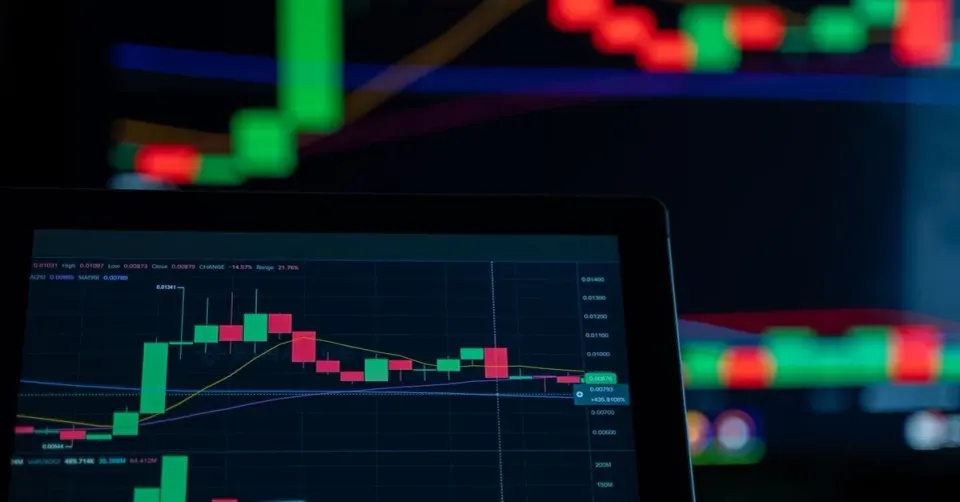
In the financial world, this geopolitical instability is fueling a massive rally in safe-haven assets. Bitcoin is currently holding steady at $77,029, with analysts at Standard Chartered suggesting their previous $100,000 year-end target might actually be too conservative. As traditional currencies like the Toman fluctuate under the weight of potential war, the narrative of Bitcoin as "digital gold" is gaining institutional traction. Simultaneously, the physical gold market is seeing unprecedented demand, with the global ounce price sitting at $4,578.00, reflecting a world that is increasingly hedging against a breakdown in the established geopolitical order.
Legal Precedents and Corporate Shifts
Away from the front lines, a significant legal ruling in the UK has caught the attention of activists and corporations alike. The "Barclays five," a group of Palestine Action activists who caused over £200,000 in damage to a bank branch, will not be sentenced as terrorists. This ruling by a UK judge is a pivotal moment for environmental and political activism, drawing a clear line between property damage for a cause and actual terrorism. It suggests that despite a broader crackdown on protests, the judiciary is still maintaining distinctions that protect the legal standing of civil disobedience.
Meanwhile, the corporate world is seeing its own shakeups. While luxury icons like Jamie Oliver report halving profits due to one-off costs, tech giants in the memory chip sector like Samsung and SK Hynix are planning massive buybacks. This divergence highlights a global economy that is increasingly bifurcated: consumer-facing media and food services are struggling with the cost-of-living crisis, while the infrastructure of the digital age—specifically AI and semiconductors—continues to generate record cash flows. For investors, the message is clear: the volatility of 2026 demands a focus on hard assets and the essential components of future technology.
Frequently Asked Questions
What is Trump's 'Economic D-Day' regarding Iran?
Why did gold prices in Iran rise by 1.7% today?
How does Trump's beef tariff cut affect global markets?
Understanding Economic Sanctions and Their Far-Reaching Impact
Economic sanctions are punitive measures imposed by one or more countries against a target country, group, or individual. These non-military tools are typically employed to achieve specific foreign policy objectives, such as compelling a change in behavior, preventing proliferation of weapons, countering terrorism, or promoting human rights. Sanctions can take various forms, including trade embargoes, asset freezes, travel bans, restrictions on financial transactions, and limitations on access to international markets or technologies. They are designed to exert economic pressure, ideally forcing the targeted entity to reconsider its actions without resorting to military intervention.
The intended effects of economic sanctions are often multifaceted, aiming to disrupt the target's economy and create domestic pressure for policy change. For a nation, this can manifest as severe currency devaluation, leading to rampant inflation as imported goods become prohibitively expensive. Trade restrictions can cripple key industries, limit access to essential goods, and reduce export revenues, shrinking the overall economy. Such measures can also isolate a country from the global financial system, making international transactions difficult and deterring foreign investment, ultimately impacting the livelihoods of ordinary citizens and potentially fueling social unrest.
However, economic sanctions are a double-edged sword, often carrying significant unintended consequences. While they aim to pressure governments, the burden frequently falls disproportionately on the civilian population, exacerbating humanitarian crises and potentially strengthening the resolve of the targeted regime rather than weakening it. Sanctions can also foster the development of black markets, illicit trade networks, and alternative financial systems, which can complicate enforcement and create new avenues for evasion. Furthermore, comprehensive sanctions can have ripple effects on global supply chains and international relations, impacting third-party countries and businesses that rely on trade with the sanctioned nation.
The headline's reference to "Tehran Braces for ‘Economic D-Day’" in the context of "China Iran sanctions" and the fluctuating "USD IRR Toman price" directly illustrates the severe pressures a nation under heavy sanctions can face. The devaluation of the local currency and the rise in the price of safe-haven assets like gold are classic indicators of an economy grappling with the profound disruptions and uncertainties brought about by sustained international economic pressure, pushing it towards a critical economic juncture.