Trump’s ‘Carrier’ Controversy Ignites Geopolitical Tension as Gold Surges 1.9% in Tehran
جنجال «ناو هواپیمابر» ترامپ در اوج تنشهای ژئوپلیتیک؛ جهش ۱.۹ درصدی قیمت طلا در بازار تهران
As the US Navy mulls naming a carrier after Donald Trump, global energy markets are shifting with US oil majors retreating to domestic soil. Meanwhile, Tehran's gold market sees a 1.9% spike today as regional uncertainty deepens.
At time of publishing
USD
190,700
Toman
Gold 18K
20.33M
Toman / gram
Bitcoin
$77,104
US Dollar
Tether
189,000
Toman
The Symbolic Battle of the High Seas: Trump vs. War Heroes
A political firestorm has erupted in Washington as Senator Mark Kelly, a retired Navy officer and Arizona Democrat, launched a scathing attack on reports that the US Navy is considering renaming a future aircraft carrier after Donald Trump. The vessel was originally slated to honor Doris Miller, a Black WWII hero. This controversy is not merely a domestic squabble; it reflects the deep ideological divide in the US military establishment at a moment when the White House is signaling an "Economic D-Day" against Iran. For observers in Tehran, this internal friction highlights a US administration that is increasingly prioritizing symbolic political victories alongside its aggressive foreign policy.

The implications of such a move extend beyond symbolism. It suggests a military leadership that may be increasingly aligned with the executive's personal branding, potentially altering how the US projects power in the Persian Gulf. As the US Treasury moves toward a strategy of total economic isolation for Iran, the domestic political stability of the United States remains a key variable for Iranian planners. If the US military becomes a theater for partisan culture wars, its ability to maintain a unified front in Middle Eastern corridors may be called into question by both allies and adversaries alike.
Energy Realignment: India’s Surplus and America’s Retreat
Global energy dynamics are shifting rapidly this Friday. While India is reportedly building clean power infrastructure faster than its current grid can even absorb, US oil majors are making a strategic retreat. Giants like Exxon and Chevron are increasingly prioritizing upstream investments within the United States and the wider Americas region. This pivot is a direct consequence of the escalating tensions with Iran, which analysts suggest has effectively slashed 2026 production forecasts for Western firms operating in high-risk zones. The message is clear: American capital is seeking safety at home as the threat of a wider regional conflict looms.

Simultaneously, Saudi Arabia is taking drastic measures to protect its exports. State giant Aramco has increased crude shipments from Egypt’s Mediterranean ports by 33% in just one month, using a "shuttle" system to move oil north from the Red Sea. This maneuver is designed to bypass the Bab el-Mandeb Strait and avoid potential strikes from Iran-aligned Houthi forces. For the Iranian economy, this represents a double-edged sword. While it proves that regional tensions can disrupt traditional trade routes, it also shows that major global players are successfully finding workarounds to neutralize the impact of regional instability on the global oil supply.
Diplomatic Fractures: The Gaza Rebuke and West Bank Trade Bans
The geopolitical landscape is further complicated by a rare and public rift between Israel and its traditional Western allies. Britain, Australia, and Canada have issued a joint statement labeling Israel’s decision not to pursue criminal investigations into the killing of World Central Kitchen aid workers as "shameful." This diplomatic hardening comes as the UK Labour party faces internal pressure to implement a total trade ban on goods originating from the occupied West Bank. These developments indicate that the diplomatic cover traditionally enjoyed by Israel in Western capitals is thinning, which could lead to a shift in how regional conflicts are managed at the UN and other international bodies.
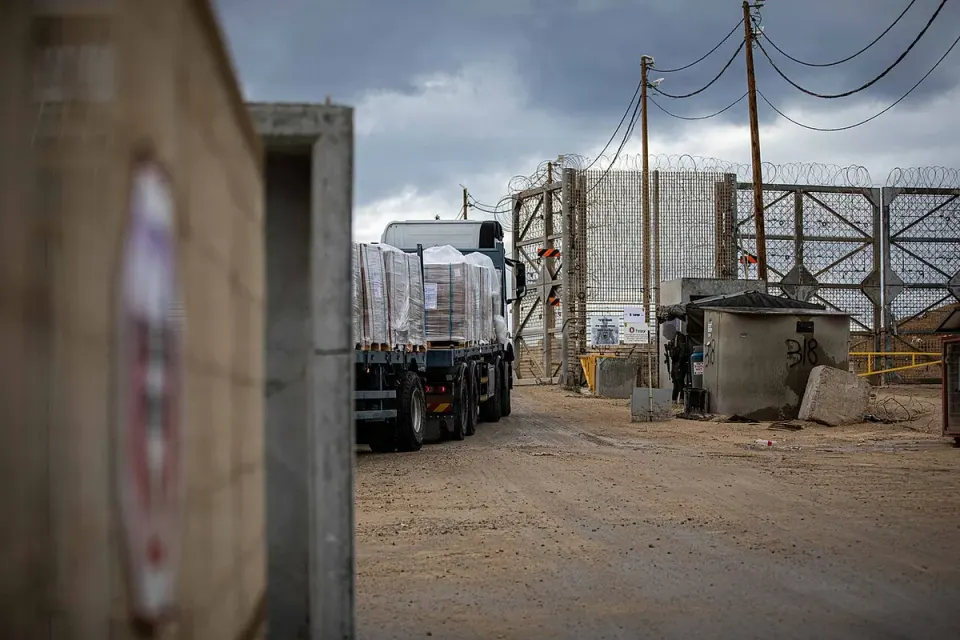
For Iran, these fractures in the Western alliance provide a complex set of risks and opportunities. On one hand, a more isolated Israel might lead to a de-escalation of certain military postures; on the other, it could trigger more unilateral and unpredictable actions from the US administration. Furthermore, the rising violence in the West Bank—which has reportedly doubled since 2025—is creating a humanitarian and security vacuum that threatens to draw in more regional actors. As the UK stalls on major North Sea oil projects like Rosebank due to climate and political concerns, the global reliance on Middle Eastern stability remains the ultimate, albeit fragile, anchor for the world economy.
Markets: Gold Outpaces Currency as Bitcoin Tests $79,000
In the local Iranian markets, the 24-hour data shows a significant divergence between currency and commodities. While the USD/IRR exchange rate remained remarkably stable at 190,700 Toman, the price of 18k gold surged by 1.9%, moving from 19,954,753 to 20,331,040 Toman per gram. This spike suggests that local investors are increasingly skeptical of the Rial’s long-term stability in the face of "Economic D-Day" threats and are moving their capital into hard assets. The Emami coin also held steady at 199,500,000 Toman, but the underlying gold appreciation indicates a building pressure that may soon spill over into the currency market.

Globally, Bitcoin is continuing its aggressive rally, trading at $77,104 and occasionally testing the $79,000 resistance level. The surge is being fueled by hopes of a more favorable regulatory environment in the US and massive inflows into crypto ETFs. For Iranians, the rise of Bitcoin offers a secondary hedge against local inflation and sanctions. As the CFTC considers new rules for crypto clarity, the digital asset class is moving from the fringes to the center of global finance, providing a high-volatility but liquid alternative for those looking to bypass traditional banking restrictions imposed by the tightening US sanctions regime.
Frequently Asked Questions
Why is the US Navy carrier naming controversial for Iran?
Why did gold prices rise 1.9% in Iran while the dollar stayed flat?
How is Saudi Arabia bypassing the Red Sea tensions?
What is the significance of the UK/Australia/Canada statement on Israel?
How International Sanctions Shape Currency Values and Gold Prices
International sanctions are tools of foreign policy that restrict a target country's access to global financial systems, trade, and technology. When a nation like Iran faces broad sanctions, its official currency— the rial—often loses confidence among investors and the public. Reduced foreign currency inflows, capital flight, and limited ability to earn hard‑currency revenues force the central bank to sell foreign reserves at ever‑lower rates, which rapidly devalues the rial against the US dollar and other major currencies.
A devalued currency makes imported goods dramatically more expensive, eroding purchasing power and prompting households to seek assets that preserve value. Gold, historically a “safe‑haven” asset, becomes especially attractive because it is priced globally in US dollars and can be stored physically or digitally. As the rial falls, the local price of gold in tomans or rials spikes, even if the dollar price of gold remains steady. This dynamic explains why gold prices in Tehran can surge by nearly 2 % while the global gold market moves only modestly.
The relationship between sanctions, exchange rates, and gold is reinforced by market psychology. Investors interpret a sharp currency drop as a signal of heightened geopolitical risk, prompting a flight to safety. Gold’s low correlation with most equities and its intrinsic value make it a preferred hedge. In Iran, the government may also tighten cash controls, further limiting access to foreign currency and driving more people toward gold purchases, both physical and through informal markets.
Understanding this mechanism helps explain broader economic consequences. Persistent sanctions can entrench a dual‑exchange system, where an official rate coexists with a black‑market rate that reflects true scarcity of foreign currency. This distortion fuels inflation, reduces real wages, and can push governments to adopt alternative payment methods, such as cryptocurrencies, in an attempt to bypass sanctions.
For policymakers and investors alike, monitoring sanction‑related currency movements and the corresponding gold price response offers a window into a country’s economic resilience and the effectiveness of its coping strategies.