Trump’s $725M UN Lifeline and Tehran’s Balkan Threats: Gold Jumps 2.6% Amid Global Shifts
واریز ۷۲۵ میلیون دلاری ترامپ به سازمان ملل و تهدیدهای تهران در بالکان؛ جهش ۲.۶ درصدی طلا در بازار داخلی
The Trump administration makes a surprise $725 million payment to the UN as the global body faces collapse, while gold prices in Tehran surge 2.6% despite a steady dollar. Meanwhile, geopolitical tensions rise as Iran issues threats toward Bulgaria's strategic US presence.
At time of publishing
USD
190,500
Toman
Gold 18K
20.48M
Toman / gram
Bitcoin
$77,212
US Dollar
Tether
188,429
Toman
Trump Administration Releases $725 Million to UN Amid Financial Crisis
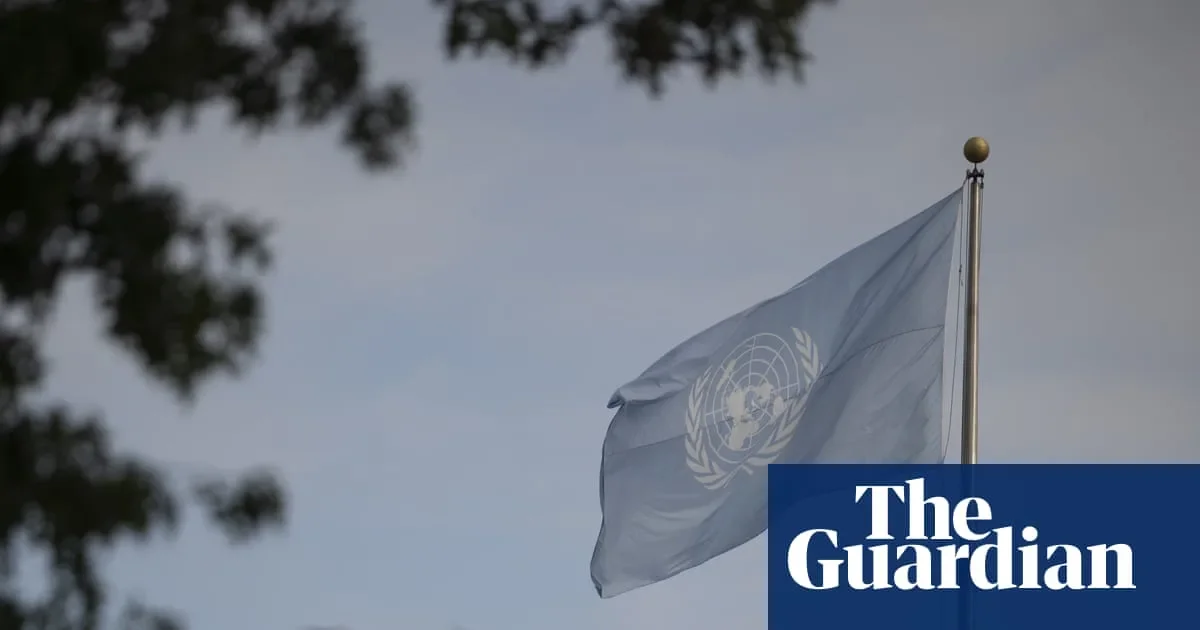
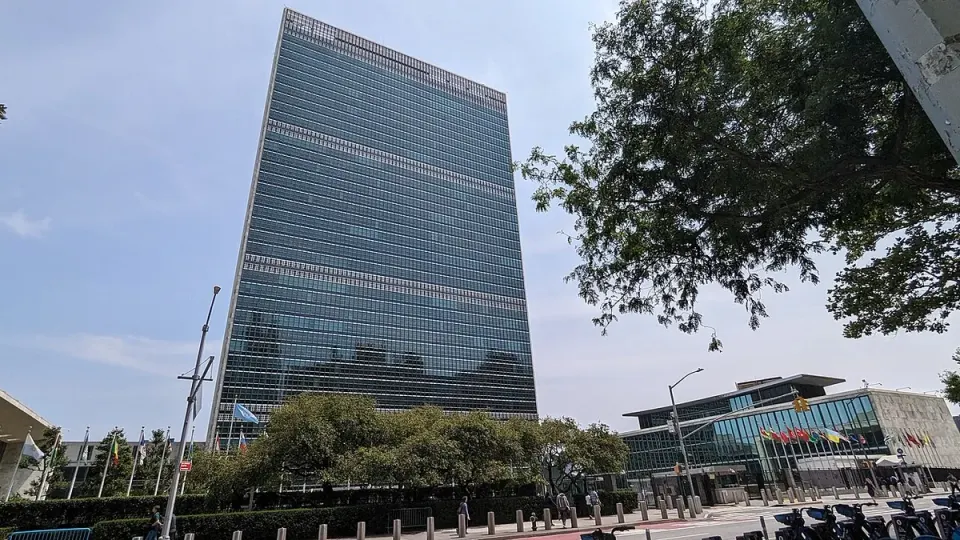
The Trump administration has initiated the transfer of $725 million to the United Nations, a move that comes as a surprise to many observers who have grown accustomed to the administration's "America First" retrenchment from global institutions. This congressional notification, first reported by Reuters, arrives at a critical juncture for the UN. Secretary-General António Guterres had recently warned that the organization was facing an "imminent financial collapse" due to billions of dollars in unpaid contributions from member states, with the United States historically being the largest debtor.
While the payment is a significant sum, it represents only a fraction of the total dues owed by Washington. Aid experts view this as a pragmatic, albeit late, step toward stabilizing international humanitarian and peacekeeping operations. However, the administration has yet to provide an official explanation for this sudden pivot, especially after years of blasting the global body for inefficiency. For global markets, this move suggests a potential softening of isolationist rhetoric, providing a slight reprieve for geopolitical risk premiums that usually spike during periods of US-UN friction.
Adding to the political complexity in the West, domestic legal battles are highlighting internal fractures. In the UK, a former Liberal Democrat candidate, David Campanale, is seeking nearly £790,000 in damages after claiming religious discrimination cost him his political career. These legal and institutional shifts in the US and UK underscore a period of intense internal reassessment for Western democracies, where the cost of political participation and global leadership is being litigated both in the courts and on the balance sheets of international organizations.
Tehran’s Shadow Over Southeast Europe: The Bulgaria Tensions
Tensions between Tehran and Sofia are reaching a boiling point as the Iranian government issues veiled threats toward Bulgaria, a nation that hosts a strategically vital US air base. This "strategically important" corner of Southeast Europe has become a new focal point for Iranian diplomatic and paramilitary posturing. Analysts suggest that Tehran’s rhetoric is aimed at pressuring European nations that cooperate closely with US military objectives, particularly as the "Economic D-Day" sanctions continue to squeeze the Iranian economy.
The threat against Bulgaria is seen as a way for Tehran to project power beyond its immediate borders, signaling that it can disrupt NATO’s eastern flank. However, the credibility of these threats remains under scrutiny. While Bulgaria’s geographical position makes it a key transit hub for energy and trade, it is also a NATO member, meaning any direct provocation would trigger a much larger collective response. For the average Iranian, this escalation signals a further hardening of foreign policy, likely leading to continued isolation and the prioritization of military spending over domestic economic relief.
Gold Surges 2.6% in Tehran as Safe-Haven Demand Peaks
In the local markets, the divergence between currency and commodities has become stark. While the USD/IRR remained relatively flat, moving from 190,700 to 190,500 (-0.1%), Gold 18k per gram saw a massive surge, climbing from 19,954,753 to 20,483,401 Toman—a 2.6% increase in just 24 hours. This spike is largely driven by a global rally in gold prices, which hit $4,619.30 per ounce, nearing 100-day highs. The domestic market's reaction suggests that Iranian investors are seeking the ultimate safe haven as geopolitical rhetoric intensifies.
Simultaneously, the global economic landscape is being shaped by high-stakes negotiations between the US and Canada. Negotiators are racing to finalize a trade deal before a looming tariff deadline set by the Trump administration. Even a last-minute deal may not completely remove the threat of tariffs, which has kept bond markets on edge. In the financial sector, former JPMorgan executive Matt Zames has taken an advisory role at the Social Security Administration, highlighting a trend of Wall Street veterans moving into public policy to manage the looming fiscal challenges of the late 2020s.
Bitcoin Holds $77k Support Amid Overbought Signals
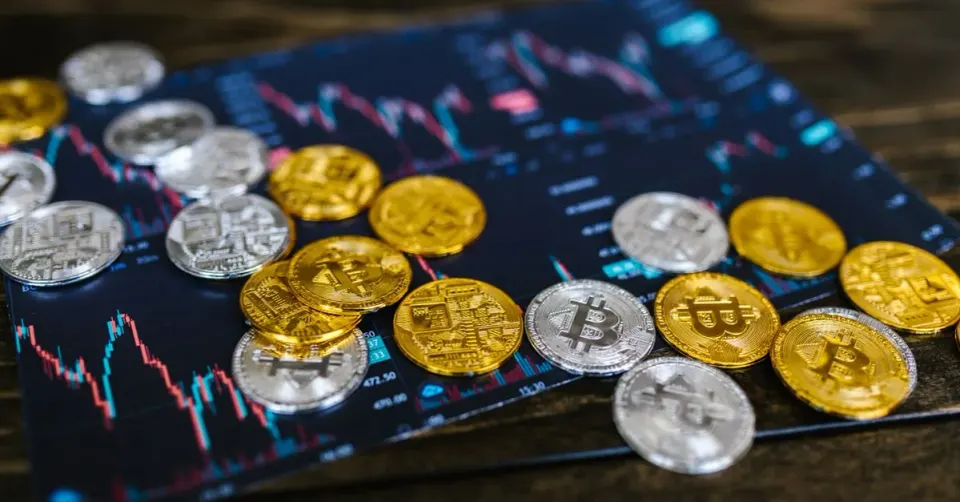
The cryptocurrency market is currently characterized by a period of consolidation following a massive weekly gain. Bitcoin is currently seeking support near the $77,212 level, having recently touched its highest price point since mid-May. While the "Economic D-Day" narrative has driven some capital into digital assets as a hedge, the recent volatility has eased as traders wait for a clear breakout. The Relative Strength Index (RSI) for Bitcoin hit an overbought extreme of 89.4 on hourly charts, suggesting a potential short-term cooling-off period before the next leg up.

Outside of Bitcoin, the altcoin market has shown significant resilience. XRP and other major assets like LINK and ZEC have seen gains exceeding 30% this week, buoyed by the overall bullish sentiment in the crypto space. For Iranian users, the Tether (USDT) price remains a critical metric, currently sitting at 188,429 Toman. As traditional markets show signs of strain and geopolitical threats linger, the crypto-gold correlation is strengthening, with both assets approaching three-month highs as investors globally prepare for a more volatile Q4.
Frequently Asked Questions
Why did the Trump administration suddenly pay $725 million to the UN?
Why is gold surging in Tehran while the USD/IRR remains stable?
What is the significance of Iran's threats toward Bulgaria?
Why Gold Shines as a Safe‑Haven Asset During Geopolitical Turbulence
Gold has been called a safe‑haven for centuries, and the recent 2.6% jump in its price illustrates how quickly investors turn to the metal when political risk spikes. A safe‑haven asset is one that retains value—or even appreciates—when other markets are falling, typically because it is scarce, durable, and not tied to any single government’s credit. Gold meets all these criteria: it cannot be printed, it does not corrode, and it is globally recognized as a store of wealth.
When events such as the United Nations funding crisis, heightened US‑Iran tensions, or abrupt sanctions threaten economic stability, investors scramble for assets that are insulated from currency devaluation and credit risk. The demand for physical gold, exchange‑traded funds (ETFs), and futures contracts rises, pushing up spot prices. At the same time, central banks may increase their own gold holdings to diversify reserves, adding another layer of demand that can amplify price movements.
Supply‑side factors also matter. Gold mining is a long‑lead‑time industry; new production cannot be ramped up quickly in response to price spikes. Moreover, a large share of the world’s gold is already held in private hands or as central‑bank reserves, limiting the amount that can be brought to market. This inelastic supply means that even modest shifts in demand can produce noticeable price changes, as we saw in August 2026 when geopolitical headlines spurred a sharp rally.
Historically, gold has performed well during crises—from the oil shocks of the 1970s to the financial turmoil of 2008 and the COVID‑19 pandemic. While it is not a guaranteed profit generator—prices can be volatile in the short term—its long‑term track record as a hedge against systemic risk makes it a cornerstone of many diversified portfolios.
Understanding why gold behaves this way helps investors assess whether to allocate a portion of their wealth to the metal, especially when global headlines suggest rising uncertainty. By recognizing the interplay of demand, supply constraints, and the safe‑haven narrative, one can make more informed decisions about using gold as a protective layer in an investment strategy.