Hormuz Diplomacy: Iran and Oman Seek De-escalation as Gold Prices Rally in Tehran
دیپلماسی هرمز: رایزنی ایران و عمان برای بازگشایی مسیرهای گفتگو همزمان با جهش قیمت سکه
Tehran and Muscat engage in high-level talks regarding maritime security in the Strait of Hormuz while local gold markets see a significant 3.3% surge. Meanwhile, global trade tensions escalate as the US imposes massive tariffs on Canadian goods.
At time of publishing
USD
190,500
Toman
Gold 18K
20.66M
Toman / gram
Bitcoin
$77,308
US Dollar
Tether
188,385
Toman
Diplomatic Channels Reopen Over the Strait of Hormuz
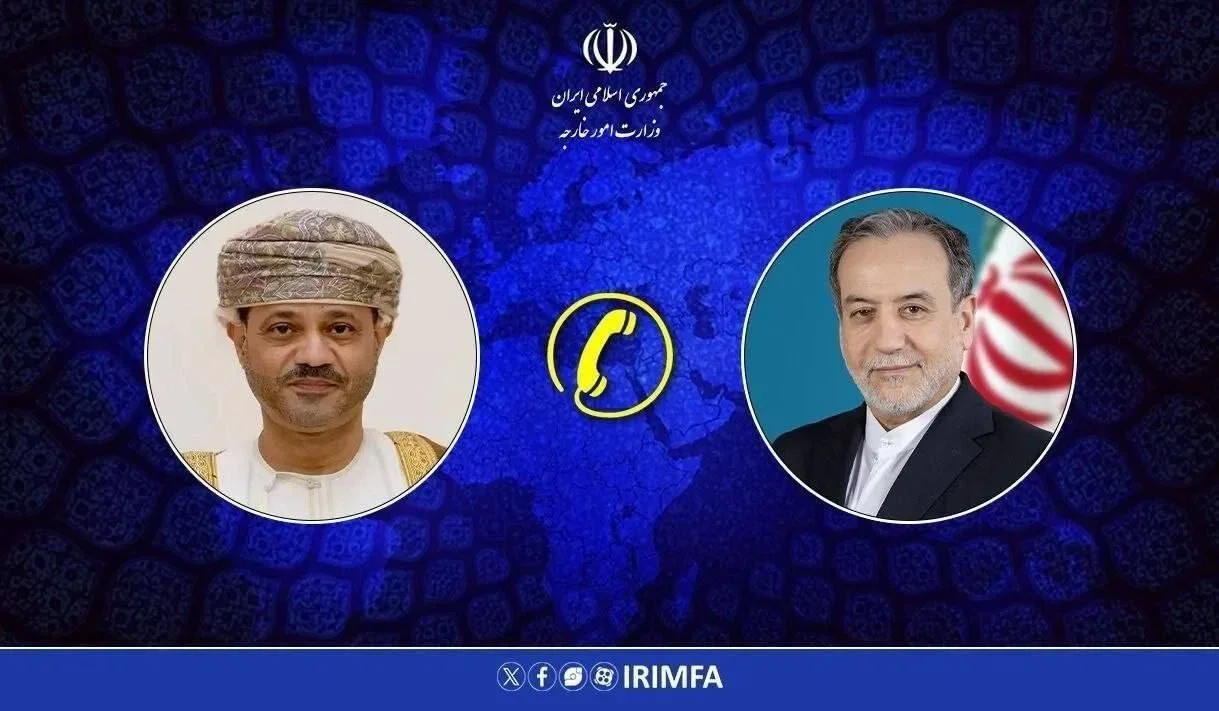
In a significant shift in regional engagement, Iranian state media reported on Saturday that Foreign Minister Abbas Araghchi held a strategic phone conversation with his Omani counterpart, Seyyed Badr Albusaidi. The primary focus of the call was the resumption of stalled diplomatic dialogues and the critical issue of maritime navigation through the Strait of Hormuz. Oman has long served as a quiet but essential mediator between Tehran and the West, and this latest outreach suggests a renewed effort to stabilize one of the world's most volatile energy corridors. While official statements remained vague on the specific terms of the dialogue, the timing is notable as regional tensions have consistently pressured global energy markets.
For the Iranian public and local markets, any sign of de-escalation in the Persian Gulf is closely watched as a bellwether for currency stability. The Strait of Hormuz remains the primary artery for the country's oil exports and a focal point for international sanctions enforcement. If these talks lead to a tangible reduction in naval friction, it could provide a rare moment of psychological relief for a market that has been braced for further conflict. However, analysts warn that these diplomatic overtures are often cyclical and require more than just high-level calls to impact the underlying economic sanctions regime that continues to stifle the domestic economy.
---
Gold Markets Surge Amid Global Economic Uncertainty
While the US Dollar remained relatively stable in the Tehran market today at 190,500 Toman, the gold and coin sectors experienced a sharp upward movement. The price of an Emami gold coin rose from 199,500,000 to 206,000,000 Toman, representing a significant 3.3% increase in just 24 hours. Similarly, 18-karat gold per gram moved from 20,483,401 to 20,661,157 Toman, a 0.9% gain. This local rally is being fueled by a combination of global gold prices hovering near $4,604 per ounce and a persistent domestic demand for safe-haven assets as a hedge against long-term inflation.
The widening gap between the stable dollar and the surging gold price indicates that investors are increasingly prioritizing hard assets over currency holdings. This trend is often seen when there is a perceived risk of future devaluations or when global geopolitical tensions—such as the burgeoning trade war between the US and Canada—spook international markets. For the average Iranian consumer, the rising cost of gold coins makes traditional savings even more inaccessible, further concentrating wealth in the hands of those who already hold significant bullion reserves.
---
Crypto Volatility: Zcash Skyrockets and Bitcoin Stabilizes
In the digital asset space, the spotlight has shifted toward privacy coins, with Zcash (ZEC) jumping a staggering 48% to trade over $800. This massive rally was triggered by news of Grayscale's progress in converting its Zcash Trust into a spot ETF, a move that institutionalizes a coin often sidelined by regulatory scrutiny. This surge has brought ZEC back to price levels not seen since 2018, catching many short-sellers off guard and highlighting a renewed interest in the 'next bitcoin' narrative among speculative traders.
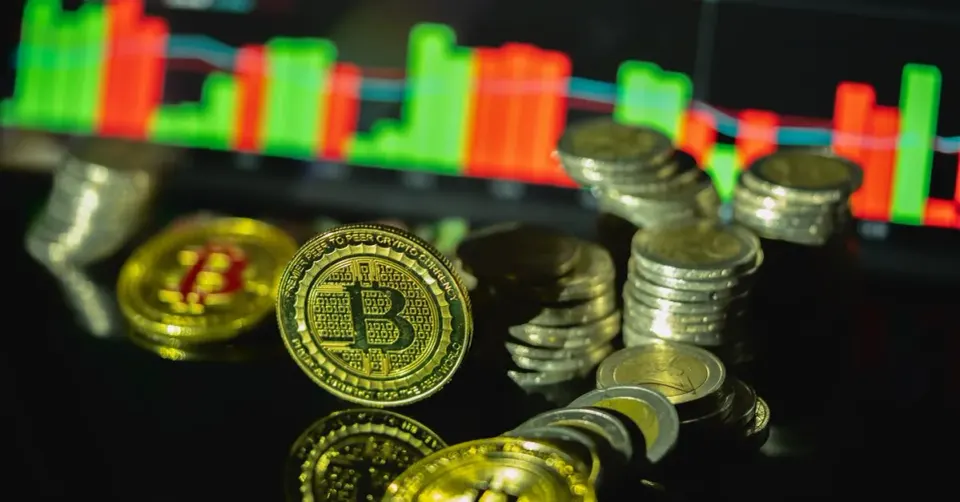
Meanwhile, Bitcoin remains steady near the $77,308 mark, supported by complex macroeconomic maneuvers in the United States. Recent reports suggest that a subtle tweak in the U.S. Treasury's buyback program helped trigger a 25% surge in Bitcoin earlier this week by pulling down long-term yields and easing liquidity constraints. Even legendary hedge fund manager Ray Dalio has weighed in, suggesting that investors should hold 'a bit' of Bitcoin as a safeguard against a potential global debt crisis. This institutional endorsement, combined with technical market shifts, suggests that while the era of extreme volatility isn't over, the floor for major cryptocurrencies is being raised by professional capital.

---
Global Trade Wars: US Hits Canada with Heavy Tariffs
The global economic landscape took a protectionist turn this weekend as the United States imposed 50% tariffs on $20 billion worth of Canadian goods. This move came after high-level trade negotiations between the two North American neighbors failed to reach a consensus. Canadian Prime Minister Justin Trudeau has already signaled a 'dollar for dollar' retaliation, setting the stage for a prolonged trade conflict that could disrupt supply chains across the continent. This escalation is a stark reminder of the fragile state of global trade agreements in 2026.
For international observers and markets, this rift between the US and one of its largest trading partners signals a broader shift toward economic nationalism. Such tariffs are inherently inflationary, as they raise the cost of raw materials and finished products for consumers. As the US Treasury under Secretary Scott Bessent takes a more activist role in managing debt and trade, the traditional independence of the Federal Reserve is being tested. Investors are now forced to navigate a world where geopolitical loyalty and trade barriers are becoming as important as interest rates and corporate earnings.

Frequently Asked Questions
Why did the Emami gold coin price jump 3.3% today despite a stable dollar?
What is the significance of the Iran-Oman phone call regarding the Strait of Hormuz?
How does the US-Canada trade war affect global markets?
The Strategic Significance of the Strait of Hormuz
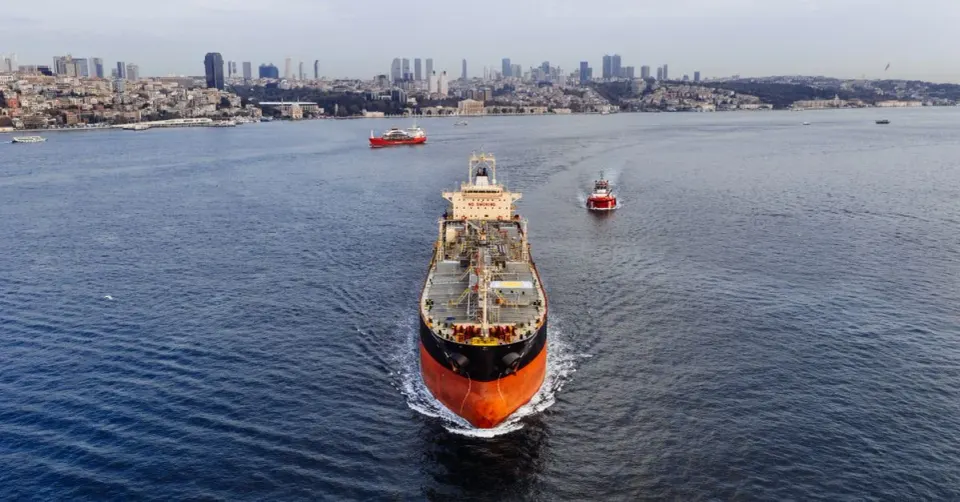
The Strait of Hormuz is a narrow waterway that connects the Persian Gulf with the Gulf of Oman and the open Indian Ocean. At its narrowest point it is only about 21 nautical miles (39 km) wide, yet more than 20 % of the world’s daily oil consumption—roughly 18 million barrels—passes through this chokepoint each day. Because the strait also carries a large share of liquefied natural gas (LNG) and other bulk commodities, any disruption can reverberate through global energy markets.
The strategic importance of Hormuz stems from its role as the primary export route for the oil‑producing nations of the Gulf, especially Saudi Arabia, Iran, the United Arab Emirates, Kuwait and Iraq. When shipping lanes are threatened—by naval drills, mines, or political brinkmanship—oil prices can spike almost instantly. History offers stark examples: the 2012 Iranian seizure of a Portuguese tanker and the 2019 attacks on oil tankers near the strait both triggered sharp, short‑term price jumps.
In recent months, diplomatic overtures between Iran and Oman have aimed to lower the risk of accidental escalation. Oman, which shares a long border with Iran and maintains a neutral stance, often acts as a mediator, facilitating communication channels that can defuse misunderstandings before they turn into confrontations. A successful de‑escalation not only stabilises regional security but also dampens the risk premium that traders embed in oil and commodity futures.
When the perceived risk of a Hormuz disruption rises, investors typically seek safe‑haven assets, and gold is the classic choice. The metal’s price often climbs in tandem with heightened geopolitical tension because it is viewed as a store of value that is uncorrelated with oil‑linked equities. The recent rally in Tehran’s gold market reflects both global price movements and local investors hedging against the uncertainty surrounding Hormuz.
Monitoring the diplomatic dialogue between Iran and Oman, as well as naval activity in the strait, provides a valuable early‑warning signal for both energy traders and investors in precious metals. A calm Hormuz corridor usually translates into steadier oil prices and less pressure on gold, while any flare‑up can quickly reverse that balance.
Topics
Related Articles