Ukraine Strikes Russian Oil, French Protests Spread, Iranian Parliament Confirms Defense Minister
اوکراین به پایانه نفتی روسیه حمله کرد؛ اعتراضات فرانسه گسترش یافت؛ پارلمان ایران وزیر دفاع را تایید کرد
Ukrainian forces have targeted a Russian oil terminal, raising fresh concerns about global energy supply disruptions amidst ongoing Starshield satellite issues. Meanwhile, protests in France and Albania escalate over living costs and political grievances, causing significant damage. In Iran, parliament's confirmation of the defense minister nominee is presented as a sign of national unity.
At time of publishing
USD
261,500
Toman
Gold 18K
25.81M
Toman / gram
Bitcoin
$82,021
US Dollar
Tether
261,600
Toman
Ukraine Strikes Russian Oil Terminal Amid Starshield Disruptions
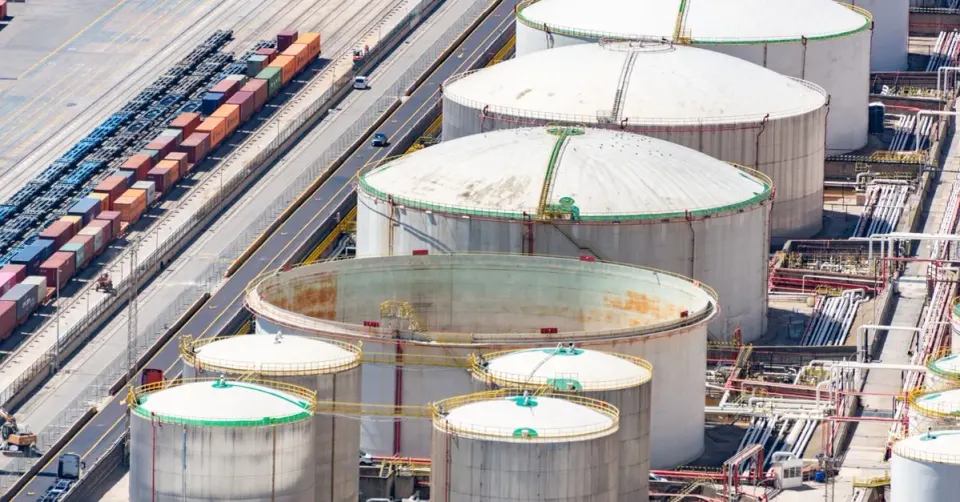
Ukrainian forces have reportedly struck a Russian oil terminal, adding another layer of uncertainty to the global energy markets. This action comes at a time when disruptions to SpaceX's Starshield satellite internet service, crucial for Ukrainian military operations, continue to persist. Officials have noted that neither the Pentagon nor SpaceX has yet responded to inquiries regarding these Starshield issues, leaving a critical communication and operational gap.
The implications of this strike are significant, potentially impacting crude oil supply routes and further tightening an already sensitive market. Coupled with the ongoing technical challenges with Starshield, which could affect Ukraine's ability to coordinate defenses and conduct operations, the situation underscores the complex interplay between conflict, technology, and global economics. The lack of official comment from the involved parties only heightens speculation and market jitters regarding future energy security and the effectiveness of military support systems.
---
Escalating Protests Grip France and Albania
Across Europe, significant civil unrest is unfolding. In France, Parisians woke up to widespread damage and looted shops following a day of demonstrations against educational inequalities and the rising cost of living. These protests, which have seen hundreds of thousands take to the streets nationwide, are increasingly broad, encompassing various social groups and grievances.
Simultaneously, Albania is experiencing its fifth consecutive day of anti-government riots in the capital, Tirana. Clashes have been reported near key government buildings, indicating a sustained period of public anger. These events, alongside similar demonstrations in Milan and Lisbon concerning housing and living costs, paint a picture of widespread social and economic discontent across the continent. The spillover effect suggests a common thread of frustration with economic conditions and governance, creating a volatile environment.

---
Iran's Parliament Confirms Defense Minister Amid Unity Claims
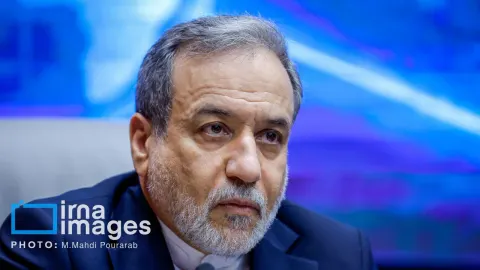
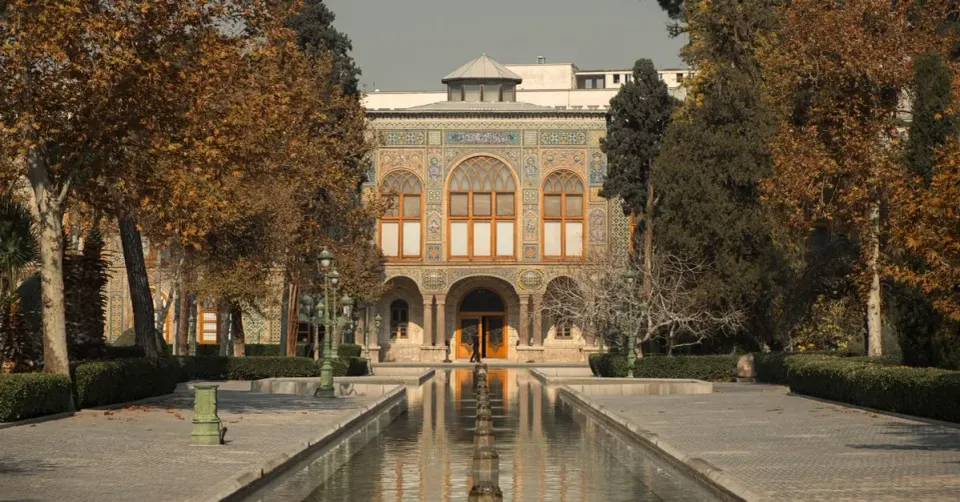
Iran's parliament has approved the nominee for defense minister, a move President Masoud Pezeshkian has characterized as a clear signal of unity and support for the nation's armed forces. This confirmation comes as the Gaza death toll continues to rise, with seven Palestinians reported killed in Israeli attacks over the past 24 hours, bringing the total casualties to over 74,475 since October 2023. The IRNA news agency reported these figures.
While the parliamentary vote is framed domestically as a show of solidarity, its broader impact on regional dynamics remains to be seen. The ongoing conflict in Gaza, and Iran's stated positions on such matters, continue to be significant geopolitical factors. The confirmation of a defense minister is a standard governmental procedure, but in the current climate, it is being presented as a statement of national resolve, potentially aimed at both domestic and international audiences.
Frequently Asked Questions
What is the impact of the Ukraine strike on global oil prices?
Why are protests escalating in France and Albania?
What does the confirmation of Iran's defense minister signify?
What are the Starshield disruptions affecting Ukraine?
Understanding Economic Warfare: The Silent Front in Modern Conflict
Modern conflicts are not solely fought on battlefields; an equally potent, though often less visible, front is economic warfare. This strategy involves using economic means to weaken an adversary's capacity to wage war, sustain its government, or maintain its societal stability. Unlike traditional military engagements, economic warfare targets a nation's financial systems, trade routes, critical infrastructure, and resource supply chains, aiming to cripple its economy and undermine its strategic objectives. The recent reports of Ukraine striking Russian oil terminals exemplify this tactic, directly targeting a crucial revenue source and logistical asset for Russia's war effort.
The methods of economic warfare are diverse and can include imposing sanctions, blockades, cyberattacks on financial or energy infrastructure, export controls on critical technologies, and even currency manipulation. By disrupting an opponent's ability to earn revenue, access vital goods, or maintain economic stability, these measures aim to create internal pressures that can force policy changes or diminish military capabilities. In the context of the Russia-Ukraine conflict, targeting oil infrastructure not only reduces Russia's export capacity and thus its war chest but also complicates its domestic energy supply and logistics.
The ultimate goal of economic warfare is to achieve strategic objectives without direct military confrontation, or to complement military action by eroding the enemy's economic foundation. While it can be a powerful tool, its effectiveness depends on various factors, including the target nation's resilience, its ability to find alternative markets or suppliers, and the willingness of other international actors to comply with or circumvent the economic pressures. Understanding economic warfare is crucial for comprehending the full scope of contemporary geopolitical struggles, where power is increasingly exerted through financial leverage and resource control as much as military might.