Australia’s Free Dental Pledge and Trump’s Hormuz Claims Drive 3.3% Surge in Tehran’s Emami Coin
وعده دندانپزشکی رایگان در استرالیا و جهش ۳.۳ درصدی سکه امامی در سایه ادعاهای ترامپ درباره هرمز
Victoria’s Labor government has proposed an Australian-first free dental care plan, while Donald Trump’s provocative claims regarding the Strait of Hormuz have sent the Emami coin up by 3.3%. Meanwhile, a devastating double-tap strike on a Ukrainian mall has left 16 dead, highlighting escalating global risks.
At time of publishing
USD
190,500
Toman
Gold 18K
20.51M
Toman / gram
Bitcoin
$77,460
US Dollar
Tether
189,000
Toman
Australia’s Historic Shift Toward Free Universal Dental Care
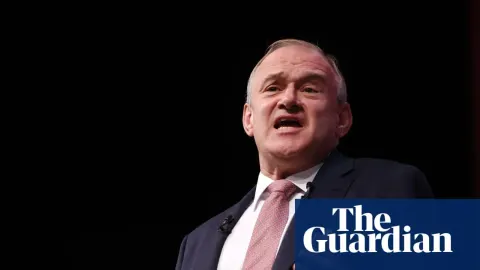
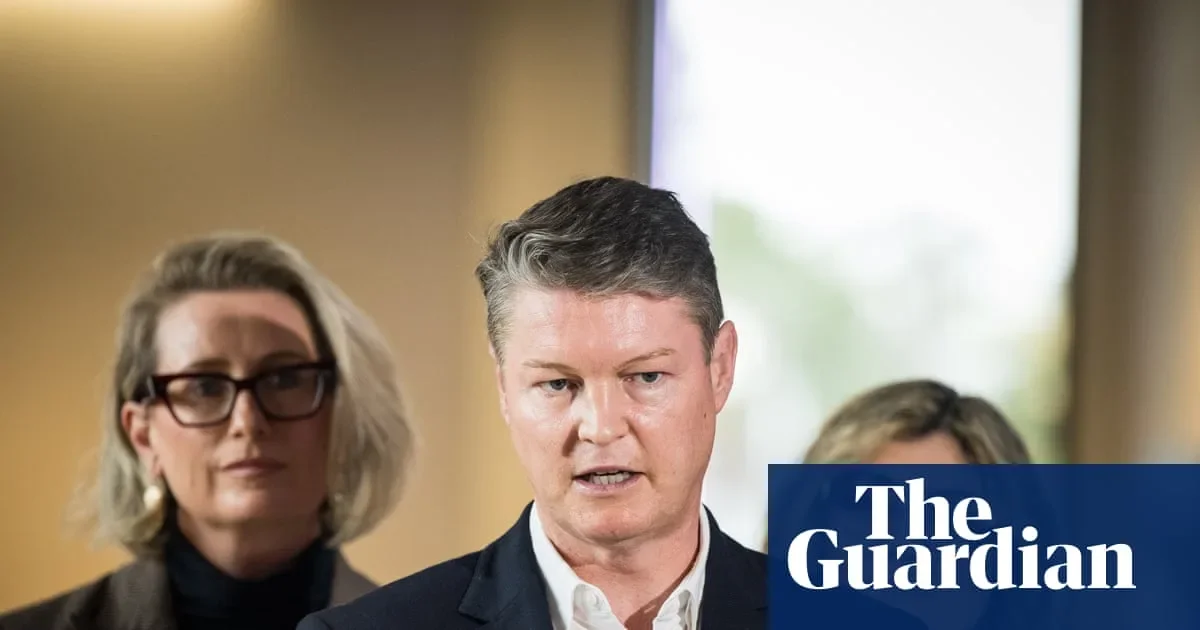
In a move that could redefine the social contract in Australia, the Victorian Labor government, led by Premier Ben Carroll, has announced a landmark election promise to provide free dental care for all citizens. Earmarking $230 million for the establishment of 10 public dental clinics that will operate on a walk-in basis, the proposal aims to eliminate the financial barriers that have long kept essential oral healthcare out of reach for many. This "Australia-first" initiative is being framed as a core pillar of Labor's campaign for the upcoming November state election, signaling a significant pivot toward expansive public health services at a time when cost-of-living pressures are dominating the political landscape.
The logic behind this policy is twofold: it addresses a critical gap in the existing Medicare system, which largely excludes dental work, and it serves as a strategic political maneuver to consolidate support among working-class voters. By framing dental health as a fundamental right rather than a luxury, Carroll is challenging the traditional boundaries of state-funded medicine. If successful, this model could serve as a blueprint for other Australian states and potentially influence federal policy, though critics are already questioning the long-term fiscal sustainability of such a widespread entitlement program and whether the initial funding will be sufficient to meet the expected surge in demand.

The Human Cost of Russia’s 'Double-Tap' Strategy in Ukraine
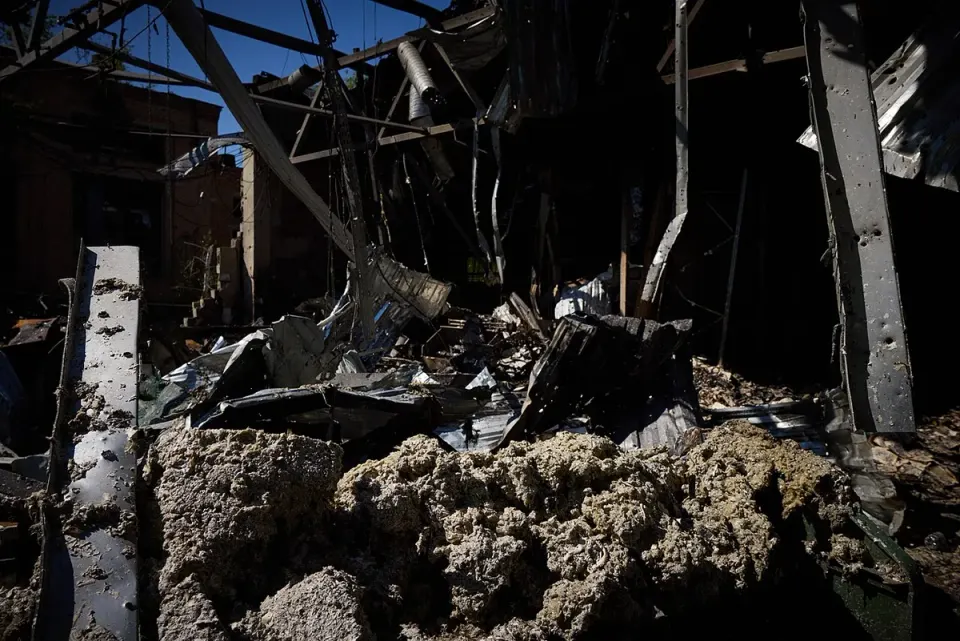
Geopolitical tensions have reached a fever pitch following a devastating Russian strike on a shopping mall in Ukraine, which has claimed the lives of at least 16 people and left over 130 injured. The attack is being described as a "double-tap" strike—a brutal military tactic where an initial explosion is followed by a second strike on the same location shortly after first responders and survivors have gathered. This method is widely condemned by international human rights organizations as it specifically targets those attempting to save lives, maximizing the psychological and physical toll on the civilian population. Search efforts continue for nine individuals still missing under the rubble, including several children.
This latest escalation underscores the increasing volatility of the conflict and the shifting nature of Russian military strategy toward civilian infrastructure. For global markets, these events represent a persistent risk premium that keeps energy and commodity prices on edge. The international community's response has been one of renewed condemnation, yet the practical impact on the front lines remains limited. As rescue teams work through the debris, the incident serves as a grim reminder of the war's mounting human cost and the diminishing prospects for a near-term diplomatic resolution, further complicating the global security outlook for the remainder of 2026.
Trump’s Hormuz Rhetoric and the 3.3% Surge in Tehran’s Gold Market
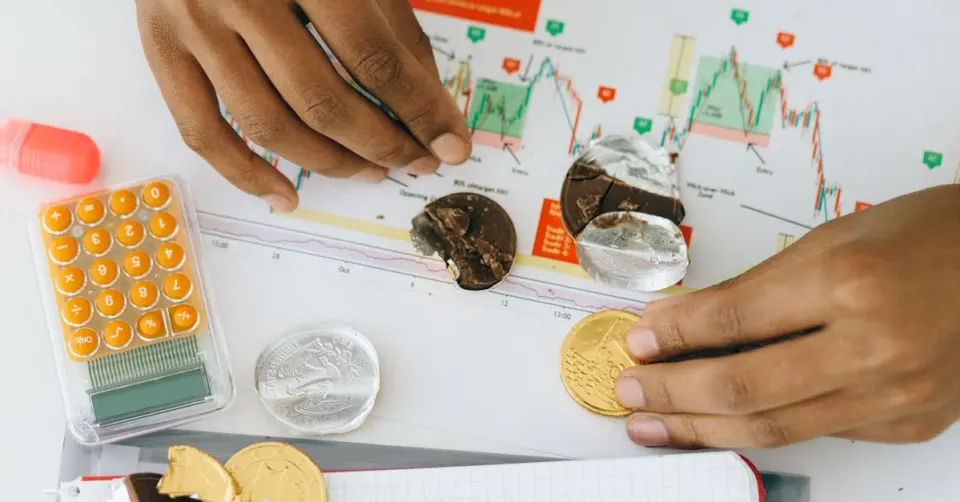
Donald Trump has once again sent shockwaves through the geopolitical landscape by claiming he views the Strait of Hormuz as "American territory." During a recent event, the former president and current candidate suggested a far more aggressive posture toward the vital maritime artery, which handles a significant portion of the world's daily oil transit. This rhetoric, while legally and diplomatically unprecedented, has immediate consequences for market sentiment. In Tehran, the reaction was swift; while the USD/IRR remained stable at 190,500 (+0.0%), the Emami gold coin surged from 199,500,000 to 206,000,000, representing a sharp 3.3% increase in just 24 hours. Gold 18k also saw a slight uptick to 20,511,103 (+0.1%).
The spike in coin prices reflects a "fear premium" as Iranian investors hedge against the possibility of renewed naval confrontations or a total blockade in the Persian Gulf. Trump’s comments coincide with domestic backlash from his own supporters, such as Senator Tim Sheehy, over plans to increase beef imports, suggesting a chaotic and unpredictable policy environment if he returns to the White House. For the Iranian economy, this volatility is a double-edged sword: while it drives demand for hard assets like gold, it also signals a period of intense uncertainty that could undermine the relative stability the Rial has seen in recent weeks. Traders are now closely watching for any official response from Tehran or further clarifications from the Trump campaign.
Accountability and Governance: From London to Sinaloa
In the United Kingdom, a deeply personal battle for accountability is unfolding as the parents of Chloe Moffat, a former Treasury personal assistant, consider suing for wrongful death. A coroner recently ruled that the Treasury’s disciplinary process "materially contributed" to her suicide, highlighting systemic failures within high-pressure government environments. This case has sparked a broader conversation about mental health support and the ethical responsibilities of state institutions toward their employees. It serves as a stark reminder that even in the most prestigious halls of power, the lack of human-centric governance can have fatal consequences, leading to a push for legislative reforms that protect civil servants from administrative overreach.
Meanwhile, in North America, the return of Governor Rubén Rocha Moya to his post in Sinaloa, Mexico, has ignited a firestorm of criticism. Despite accusations from U.S. prosecutors that he protected the Sinaloa cartel, Rocha Moya has resumed his duties, illustrating the complex and often compromised nature of regional governance in areas dominated by organized crime. The juxtaposition of these two stories—one of a family fighting for justice against a bureaucratic giant and the other of a high-ranking official defying allegations of criminal complicity—highlights a global crisis of institutional trust. Whether in the heart of London’s financial district or the volatile regions of Mexico, the demand for transparency and ethical leadership has never been more urgent for the stability of the global economy and social order.
Frequently Asked Questions
Why did the Emami coin price jump 3.3% despite a stable USD exchange rate?
What is the 'double-tap' strike tactic mentioned in the Ukraine conflict?
How feasible is the Victorian government's free dental care plan?
Geopolitical Risk and the Appeal of Safe-Haven Assets
Geopolitical risk refers to the potential for political events, conflicts, or instability between countries or regions to disrupt global markets and economic activity. These risks can range from trade wars and diplomatic disputes to military conflicts and terrorist attacks. Such events introduce significant uncertainty, making investors wary of traditional, growth-oriented assets like stocks and bonds, which are highly sensitive to economic stability and predictable policy environments.
In times of heightened geopolitical tension, investors often seek “safe-haven assets.” These are investments that are expected to retain or even increase in value during periods of market turmoil and economic uncertainty. Gold is perhaps the quintessential safe-haven asset. Its long-standing history as a store of value, its physical nature, and its lack of reliance on any single government or corporation make it an attractive hedge against inflation, currency devaluation, and political instability. When geopolitical risks escalate, demand for gold typically rises, driving up its price.
The surge in Tehran's Emami coin, as mentioned in the headline, exemplifies this dynamic. The Emami coin (or Bahar Azadi coin) is a gold coin minted by the Central Bank of Iran and is a popular investment vehicle in the country, often serving as a proxy for gold. When former President Trump's comments regarding the Strait of Hormuz — a critical global oil transit chokepoint — introduced new geopolitical uncertainty and potential conflict in the region, local Iranian investors likely moved to protect their wealth. Fearing potential economic fallout, currency depreciation, or increased sanctions, they turned to a reliable local safe-haven asset like the Emami coin, causing its price to surge.
This phenomenon highlights how local market dynamics can amplify global geopolitical events. In economies facing significant international pressure or sanctions, domestic assets like gold coins become even more crucial for wealth preservation, as access to international safe havens might be limited. The price of such assets in these regions can therefore be particularly sensitive to any news that suggests increased regional instability or economic isolation.
Topics
Related Articles