Tehran Markets React as Iran Decries US Sanctions; Global Trade War Spikes Gold Demand
واکنش بازار تهران به تحریمهای جدید؛ تشدید جنگ تجاری جهانی و جهش قیمت سکه امامی
Iran labels new US sanctions an 'assertion of extraterritorial sovereignty' as the USD hits 191,400 Toman. Meanwhile, a trade war between Canada and the US, coupled with Panama Canal restrictions, is driving a global rush toward gold.
At time of publishing
USD
191,400
Toman
Gold 18K
20.58M
Toman / gram
Bitcoin
$77,214
US Dollar
Tether
189,145
Toman
Sovereignty Claims vs. Market Reality
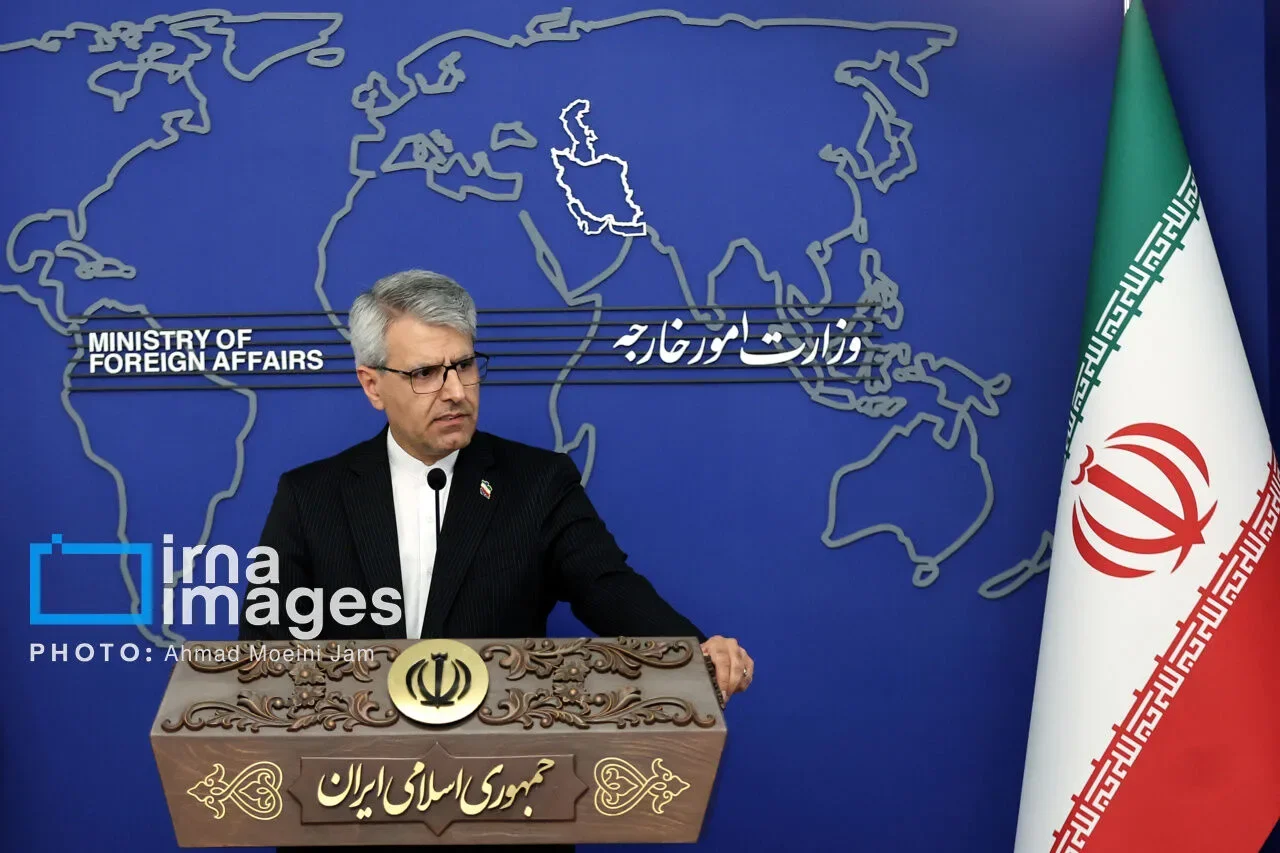
Iran's Foreign Ministry is pushing back against the latest round of US economic sanctions with familiar rhetoric. Spokesperson Esmaeil Baqaei framed these measures not just as economic pressure, but as an illegal assertion of "extraterritorial sovereignty." By targeting entities doing business with Iran, the US effectively forces its domestic laws onto other UN member states. This stance is a core part of the Islamic Republic’s diplomatic playbook, designed to paint the US as a global bully while distracting from the domestic economic mismanagement and corruption that leave the country’s financial system so vulnerable to external shocks.
For the average Iranian, these diplomatic spats are far more than just headlines; they translate directly into market anxiety and reduced purchasing power. We are already seeing this reflected in today's rates, where the USD sell price has ticked up from 190,500 to 191,400 Toman, a 0.5% increase over the last 24 hours. While the government claims these sanctions are an affront to sovereignty, the market views them as a tightening of the financial noose, driving up the cost of imports and further devaluing the local currency in a cycle that feels increasingly inescapable.
Strategic Corridors and Global Bottlenecks
Amidst the sanctions pressure, Tehran is doubling down on its partnership with Moscow to create an alternative economic reality. Ambassador Kazem Jalali announced that an executive contract for the Rasht-Astara railway is nearing completion. This 162-kilometer stretch is the "missing link" in the International North-South Transport Corridor (INSTC), intended to bypass traditional Western-controlled shipping lanes. For the Iranian regime, this isn't just about trade; it’s a strategic survival mechanism to link Russia to the Indian Ocean via Iranian soil, potentially generating transit revenue and cementing a "sanctions-proof" alliance with the Kremlin.
However, global logistics are facing serious headwinds elsewhere that could negate any local progress. The Panama Canal Authority has announced a reduction in daily transits from 40 to 32 vessels due to an "extreme" El Niño event. This bottleneck in one of the world's most critical maritime arteries is expected to drive up shipping costs globally. For Iran, which is already struggling with high inflation and logistics hurdles, any increase in global freight costs eventually trickles down to the price of basic goods on the shelves in Tehran and Mashhad, regardless of how many new railways are planned.
Trade Wars Drive Gold to New Heights
The trade war between the US and Canada has escalated sharply, with Prime Minister Mark Carney vowing to match US tariffs "dollar for dollar" after failed negotiations. This collapse in trade relations between the two largest North American partners has sent ripples of uncertainty through global markets. When the world's most stable economies start slapping 50% tariffs on each other, investors instinctively flee toward hard assets. This global jitters, combined with local currency depreciation, has pushed the Emami coin price up a staggering 2.8% today, moving from 199,500,000 to 205,000,000 Toman.
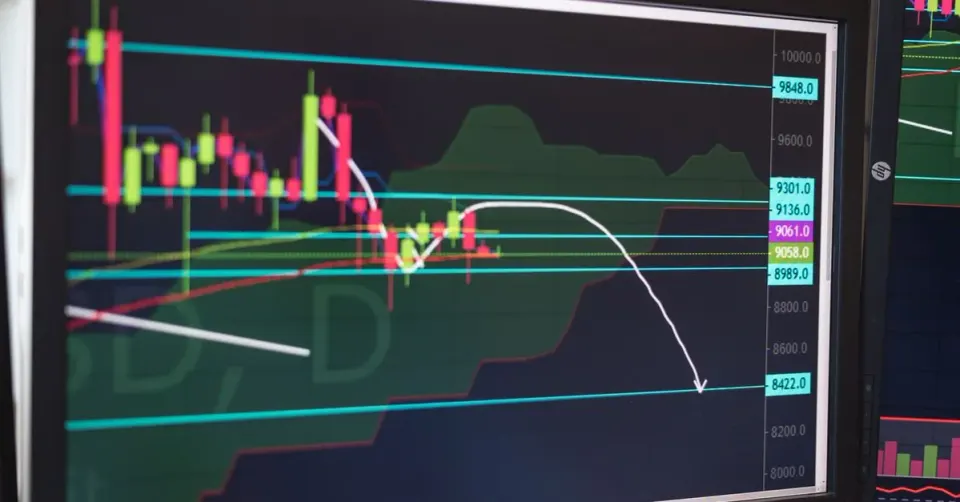
The broader picture shows a world increasingly fragmented by protectionism and climate-driven disruptions. Whether it's the US-Canada tariff spat or the drying up of the Panama Canal, the theme is one of rising costs and restricted flow. For Iranians, who are already living in a highly restricted economic environment, these global trends amplify domestic pressures. Gold remains the primary hedge for local savers, explaining why even a modest 0.5% move in the dollar can trigger a much larger 2.8% jump in gold coin prices as the public rushes to protect what remains of their wealth.
Frequently Asked Questions
Why did the Emami coin price increase more than the USD today?
What is the significance of the Rasht-Astara railway for the Iranian economy?
How do Panama Canal restrictions affect prices in Iran?
Understanding Economic Sanctions: Tools of International Pressure
Economic sanctions are powerful foreign policy tools employed by one or more countries against another to achieve specific political or behavioral changes. They are essentially restrictions on economic relations, designed to inflict economic pain on the target state, its entities, or individuals, thereby coercing them into altering policies or actions deemed undesirable by the imposing party. These measures can range from comprehensive trade embargoes that prohibit nearly all commerce, to more targeted restrictions such as asset freezes, travel bans, prohibitions on financial transactions, or limitations on specific sectors like oil or banking.
The primary goal of economic sanctions is to pressure the targeted government without resorting to military force. For instance, a country might impose sanctions to halt a nuclear weapons program, combat terrorism, promote human rights, or discourage aggression. However, sanctions often come with significant economic repercussions for the target country. They can lead to severe currency depreciation, rampant inflation, shortages of goods, and difficulty in accessing international financial markets, making it challenging for businesses to conduct trade and for the government to fund essential services.
In response to sanctions, targeted nations frequently seek alternative economic strategies. This can involve developing new domestic industries, forging trade relationships with non-sanctioning countries, or establishing alternative trade routes and payment systems to bypass international financial scrutiny. Such adaptations, while necessary for survival, often come at a higher cost and reduced efficiency compared to unrestricted global trade. The impact on ordinary citizens can be profound, as their purchasing power erodes and access to imported goods or technologies diminishes.
Moreover, economic sanctions can have broader geopolitical ripple effects. They can exacerbate global trade tensions, prompt shifts in commodity markets (like increased demand for safe-haven assets such as gold), and even lead to retaliatory measures. While intended to be a non-military means of influence, their effectiveness is often debated, as they can sometimes entrench regimes, foster illicit trade, or disproportionately harm civilian populations, making them a complex and controversial instrument of international relations.
Topics
Related Articles