Regional Shift: Ghalibaf Claims New Security Pact as Gold and USD Surge in Tehran Markets
تغییر آرایش منطقهای؛ ادعای قالیباف درباره توافقات امنیتی جدید همزمان با جهش قیمت دلار و طلا
Tehran's markets are reacting sharply to shifting geopolitics as Parliament Speaker Ghalibaf claims regional neighbors are seeking new security alliances to bypass US threats. Meanwhile, a massive US Treasury intervention has sent global gold and Bitcoin prices to record highs, directly impacting the Toman.
At time of publishing
USD
193,500
Toman
Gold 18K
20.96M
Toman / gram
Bitcoin
$77,134
US Dollar
Tether
191,463
Toman
Ghalibaf Claims Regional Pivot Amid US Pressure
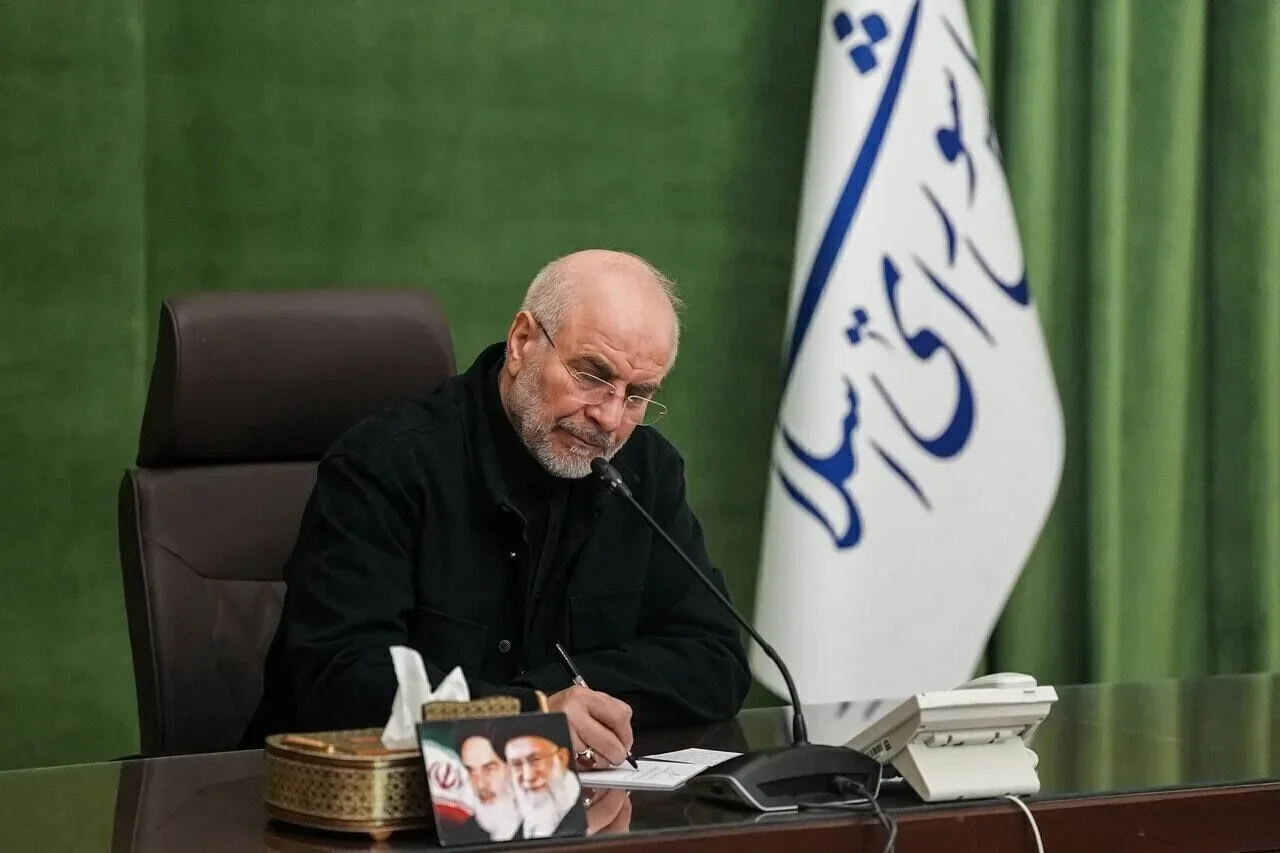
In a statement that has reverberated through Tehran’s political circles, Parliament Speaker Mohammad Bagher Ghalibaf announced that the Islamic Republic has received numerous messages from neighboring states regarding the establishment of new regional security and economic arrangements. According to Ghalibaf, these nations are increasingly looking to distance themselves from the hostile rhetoric and threats issued by US President Donald Trump. While the speaker framed this as a victory for Iranian diplomacy and a sign of American isolation, the domestic market appears to be pricing in the underlying tension rather than the promised stability.
The timing of these claims is critical, as the Iranian Toman experienced significant downward pressure over the last 24 hours. The US Dollar rose from 190,500 to 193,500 Toman, marking a 1.6% increase. This market movement suggests that despite official claims of new regional alliances, traders remain skeptical of the government's ability to mitigate the impact of renewed US sanctions and diplomatic friction. The gap between official rhetoric and market reality continues to widen, as the public seeks refuge in hard assets to protect against further devaluation.
Treasury Intervention Ignites Global Gold and Bitcoin Rally
Global financial markets were jolted this week by an unexpected announcement from the U.S. Treasury Department, which stated it plans to double its bond buyback program. This move, intended to inject liquidity into the financial system, has had the immediate effect of weakening the U.S. dollar on the global stage while sending precious metals and cryptocurrencies into a vertical climb. Gold reached a staggering $4,604.40 per ounce, while Bitcoin (BTC) surged to $77,134. For Iranian investors, this global rally has amplified domestic price spikes caused by the weakening Toman.
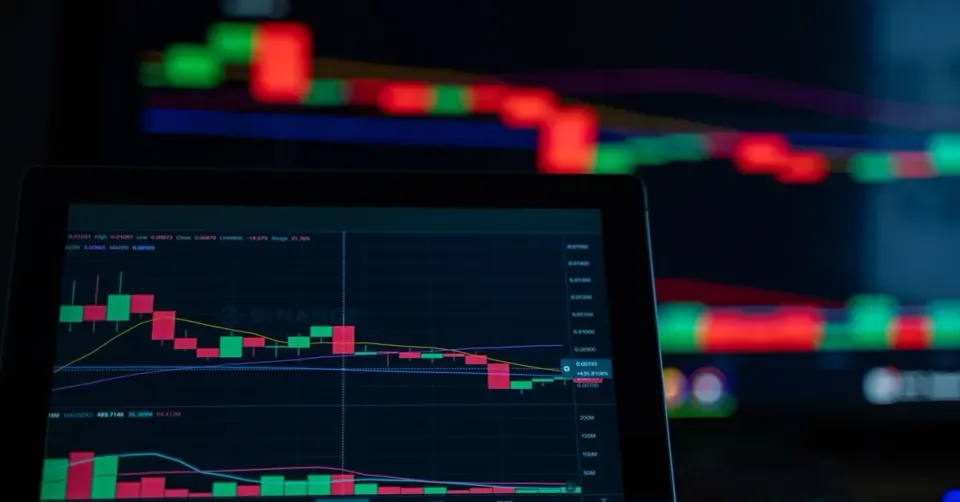
In Tehran, the impact was immediate and pronounced. The price of 18-karat gold rose from 20,483,401 to 20,961,263 Toman per gram, a 2.3% jump in just one day. Even more dramatic was the movement in the coin market, where the Emami coin surged from 199,500,000 to 209,000,000 Toman, representing a 4.8% increase. This "double whammy" of a rising global gold price and a falling Toman has created a frantic environment in the Sabzeh Meydan district, as the traditional hedge against inflation becomes increasingly expensive for the average citizen.
Global Crises: Ebola Outbreaks and Japan’s Backup Capital
While markets focus on currencies, a humanitarian crisis is unfolding in the Democratic Republic of Congo, which has just received 16,000 doses of Ebola vaccines to combat an "exponential" outbreak. Health officials from the WHO have warned that the current epidemic, which has already claimed over 2,500 lives, could potentially surpass the devastating 2014-2016 outbreak that killed 11,000 people. The international community is on high alert, as the speed of transmission suggests that current containment measures are struggling to keep pace with the virus’s spread in densely populated areas.

In a starkly different corner of the world, Japan is engaging in a unique form of risk management. Cities like Osaka and Fukuoka are currently competing in what has been described as a "gold rush" to be designated as Japan’s backup capital. This strategic move aims to ensure the continuity of government and financial operations in the event that Tokyo is struck by a major earthquake or other catastrophe. This competition highlights a growing global trend of governments and corporations investing heavily in redundancy and disaster preparedness as geopolitical and environmental risks become more unpredictable.
The Rise of Tech-Facilitated Abuse
Beyond high-level geopolitics, a series of criminal convictions in the United Kingdom has shed light on the dark side of the digital economy. Courts recently convicted individuals for coercing women into posting explicit content on platforms like OnlyFans without their full consent. This landmark case has prompted domestic violence charities to warn of a new era of "tech-facilitated abuse," where digital platforms are weaponized to exploit vulnerable individuals for financial gain. As the digital economy grows, legal systems worldwide are struggling to keep pace with the evolving nature of coercion and digital ownership, highlighting a critical gap in international tech regulation.
Frequently Asked Questions
Why did the US Treasury's bond buyback cause gold to rise?
What are the 'new security arrangements' Ghalibaf mentioned?
Why is the price of Emami coin rising faster than the gold ounce?
Geopolitical Risk and its Impact on Currency Value and Safe-Haven Assets
The recent surge in gold and USD prices in Tehran, coinciding with discussions of a new regional security pact, highlights a critical economic phenomenon: the profound impact of geopolitical risk on a nation's currency and the demand for safe-haven assets. Geopolitical risk refers to the uncertainty and potential instability arising from international political events, conflicts, or shifts in alliances that can significantly affect a country's economic outlook. When such risks escalate, they often erode confidence in the domestic economy and its currency.
When investors and the general public perceive an increased risk of political instability, conflict, or economic sanctions, they tend to move away from assets denominated in the local currency. This reduced demand for the local currency, coupled with a potential increase in capital flight (money leaving the country), leads to its depreciation against more stable global currencies like the U.S. dollar. A depreciating currency means that more local units are needed to buy the same amount of foreign currency or imported goods, often fueling inflation and reducing purchasing power.
In times of heightened geopolitical uncertainty, individuals and institutions frequently turn to what are known as safe-haven assets. These are investments that are expected to retain or even increase in value during periods of market turbulence and economic stress. Gold has historically served as a quintessential safe-haven asset due to its universal acceptance, limited supply, and perceived intrinsic value. Similarly, stable major currencies, particularly the U.S. dollar, are often sought after because of the depth and liquidity of U.S. financial markets and the dollar's status as the world's primary reserve currency. The simultaneous surge in both gold and USD in Tehran markets is a classic indicator of this flight to safety.
Understanding this dynamic is crucial for comprehending how global and regional political developments translate into tangible economic effects on everyday life. It explains why a security pact, while seemingly political, can immediately influence the prices of commodities and currencies, directly affecting the wealth and purchasing power of citizens. This interplay underscores the interconnectedness of geopolitics, economics, and financial markets.
Topics
Related Articles