Family Ties and Power Grids: Why Italian Fiction and Indiana Storms Are Framing the Global Mood
از کالبدشکافی خانوادههای ایتالیایی تا بحران برق در ایندیانا؛ تلاطم در بازارهای تهران و جهان
As a provocative new novel deconstructs the 'totalitarian' nature of Italian families, real-world infrastructure fails in Indiana, leaving thousands in the dark. Meanwhile, Tehran's markets see a sharp rally in gold and USD as regional weapon capability debates heat up.
At time of publishing
USD
193,300
Toman
Gold 18K
20.93M
Toman / gram
Bitcoin
$76,928
US Dollar
Tether
191,230
Toman
The Totalitarian Family: A Mirror for Global Unrest
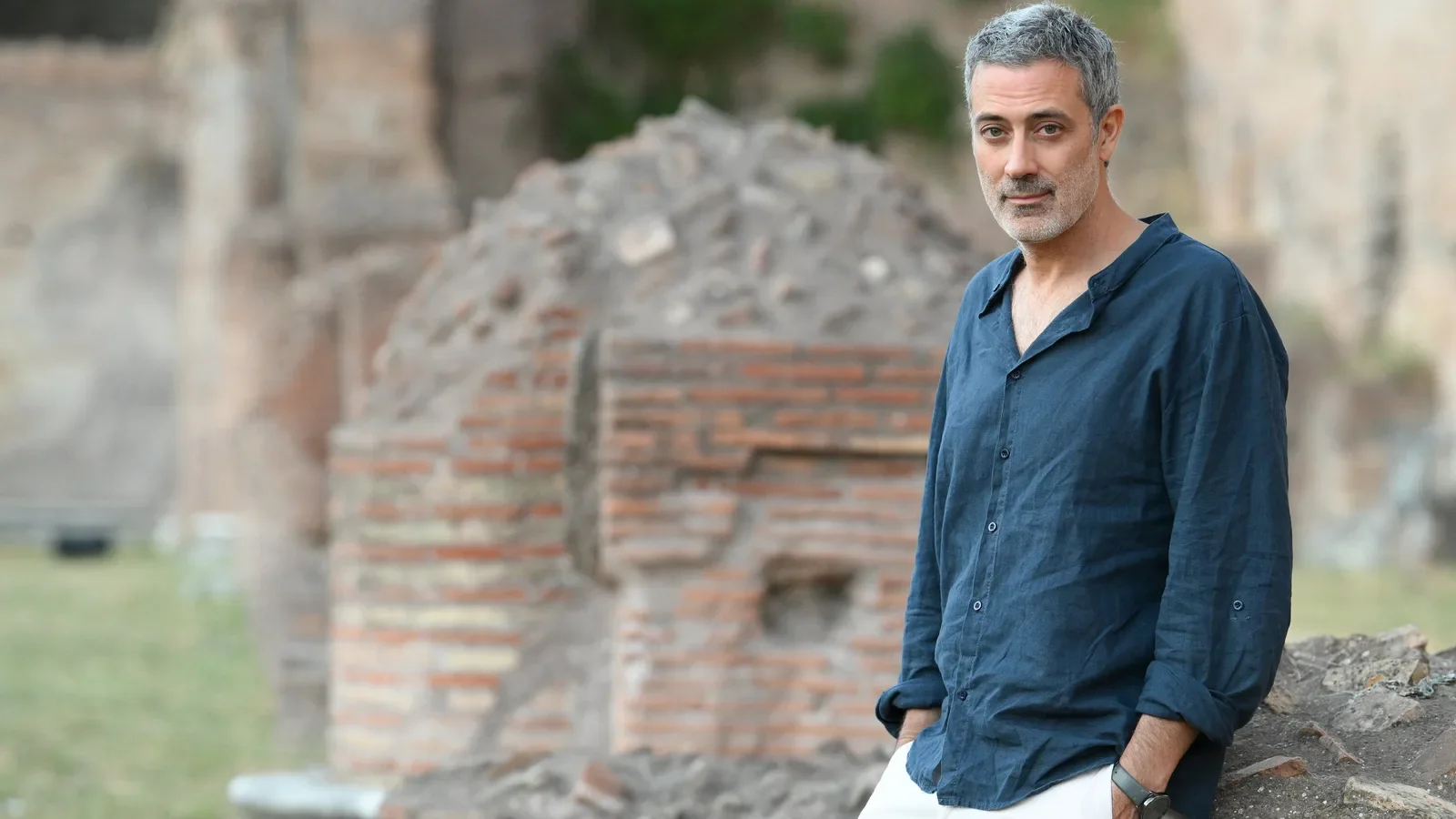
At 19:00 Tehran time, the literary world is buzzing with Andrea Bajani’s latest novel, which takes a sharp, analytical aim at the traditional Italian family. Bajani portrays the family unit not as a sanctuary of love, but as a "little totalitarian system" defined by psychological and often physical violence. This perspective has struck a nerve across Europe, where the erosion of traditional social structures is often seen as a precursor to broader political shifts. When a society begins to deconstruct its most basic unit—the family—it often signals a deeper crisis of trust in all institutions, from local governments to international alliances.
For the global observer, this isn't just about fiction; it’s about the underlying social cohesion that supports economic stability. As Bajani’s work gains traction, it reflects a growing sentiment that the old ways of social organization are failing to provide security. In a world where geopolitical borders are shifting, the internal 'borders' of the family are also being redrawn. This cultural introspection often precedes shifts in consumer confidence and political leanings, as the 'totalitarian' structures of the past are rejected in favor of more fragmented, individualistic, and often more volatile social dynamics.

Infrastructure Fragility: Indiana’s 11-Day Blackout
While novelists debate social structures, residents of northwest Indiana are facing a much more visceral collapse of order. For 11 days, over 33,000 residents have lived without electricity after severe storms toppled power lines and trees. The situation has devolved into a localized humanitarian crisis, with food lines forming, businesses shuttering, and schools remaining closed. This prolonged outage highlights a terrifying reality for modern economies: the extreme fragility of aging infrastructure in the face of increasingly volatile weather patterns.
The economic ripple effects of such a localized collapse are significant. Beyond the immediate loss of productivity, these events drive up insurance premiums and force a re-evaluation of 'safe' investments in utility sectors. When a first-world power grid fails to recover for nearly two weeks, it sends a signal to global markets that the 'developed' status of Western infrastructure is under siege. This vulnerability is a key reason why institutional investors are pivoting toward more resilient energy solutions, as the bottleneck in power distribution remains a global threat to growth.
Tehran Markets: The Flight to Hard Assets
In Tehran, the mood is decidedly more financial as the market reacts to both domestic uncertainty and global trade tensions. The US Dollar (USD) has seen a notable climb, moving from 190,500 to 193,300 Toman, a 1.5% increase in just 24 hours. However, the real story lies in the gold market. Emami gold coins have surged from 199,500,000 to 209,000,000 Toman, marking a substantial 4.8% jump. This indicates that Iranian investors are not just hedging against currency devaluation, but are actively seeking the safety of gold as regional tensions simmer.
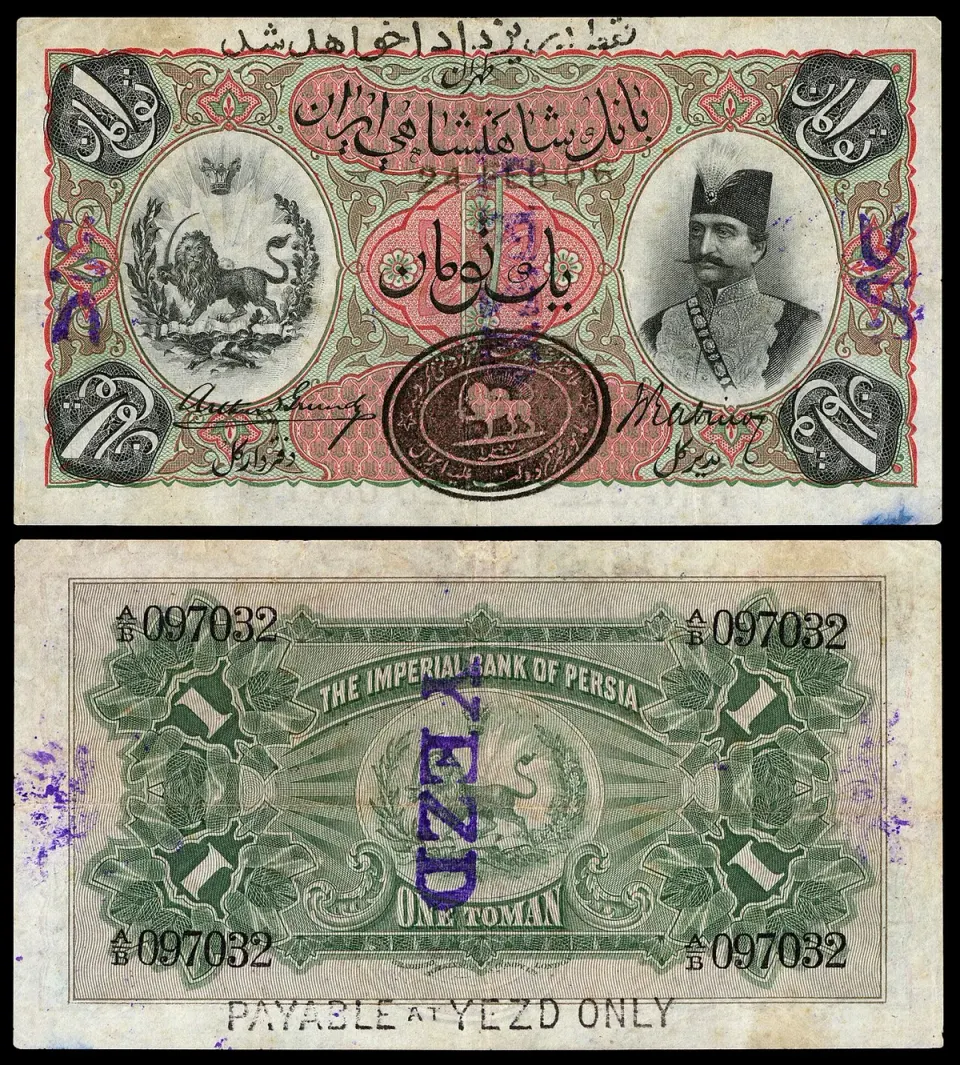
This spike in gold prices—specifically the 2.2% rise in 18k gold to 20,926,635 Toman per gram—is likely fueled by recent reports regarding Iran's weapons capabilities. While the government claims that production is ongoing and details are kept secret due to 'war conditions,' the lack of transparency fuels market speculation. Investors interpret these claims as a sign of high-risk military readiness, which historically drives the 'war premium' on gold. As long as the regional security architecture remains opaque, the flight from the Rial into hard assets like gold and USD is expected to persist.
Global Governance and the FIFA Defiance
On the international stage, a different kind of authority is being challenged. FIFA President Gianni Infantino has reportedly defied requests from his own vice president, Victor Montagliani, to stay away from a youth tournament in the Caribbean. This internal rift within the world's most powerful sporting body mirrors the broader crisis of centralized governance seen in the financial world. As Infantino faces pressure over plans to sell future World Cup profits to private investors, the rebellion from within his own ranks suggests that the era of uncontested institutional control may be ending.
This institutional friction parallels the challenges seen in the crypto and DeFi space, where regulators are struggling to define who exactly should be held accountable for decentralized 'vaults' and lending protocols. Whether it is the Sandbox network disabling bridges after an exploit or the EU’s MiCA regulation attempting to corral DeFi, the theme is the same: the old guard is losing its grip. For the average reader, this means that the institutions once thought to be 'too big to fail' or 'too powerful to challenge' are becoming increasingly fragmented, leading to a more unpredictable global environment.

Frequently Asked Questions
Why did the Emami gold coin rise more than the USD in Tehran?
What is the significance of the 11-day power outage in Indiana?
How does Andrea Bajani’s novel relate to current global geopolitical trends?
The Global Infrastructure Crisis
The term "Global Infrastructure Crisis" refers to the widespread and growing challenge of aging, inadequate, or vulnerable infrastructure systems worldwide. These systems, encompassing everything from power grids, transportation networks, and water supply to telecommunications and digital infrastructure, are the backbone of modern economies and daily life. Many nations, both developed and developing, face a critical shortfall in investment, maintenance, and modernization needed to keep these essential services reliable and resilient against evolving threats like climate change, cyberattacks, and natural disasters. The "Indiana power outage" mentioned in the keywords is a localized example of how such vulnerabilities can manifest.
The economic ramifications of an infrastructure crisis are profound and far-reaching. When infrastructure fails, it disrupts supply chains, halts production, increases operational costs for businesses, and can significantly impede economic growth. For instance, a persistent power outage can cripple industries, prevent financial transactions, and even impact currency stability, as investor confidence erodes. The "USD to IRR exchange rate" and "Emami gold coin price" in Tehran, for example, can be sensitive indicators of broader economic stability, which is deeply intertwined with the reliability of a nation's foundational infrastructure.
Beyond direct economic costs, a failing infrastructure system can exacerbate social inequalities, hinder access to essential services, and undermine national security. It creates a domino effect: poor roads increase transportation costs, unreliable power grids deter investment, and inadequate digital networks stifle innovation. Addressing this crisis requires massive, sustained investment in upgrading existing systems, building new resilient infrastructure, and adopting smart technologies that can better withstand future shocks. It's a challenge that demands global cooperation and innovative financing models to ensure that the physical foundations of our societies are robust enough for the 21st century.
Topics
Related Articles