Swedish School Attack and Trade War Retaliation Fuel 4.8% Surge in Tehran’s Gold Market
حمله با شمشیر در سوئد و تلافی جنگ تجاری؛ جهش ۴.۸ درصدی سکه امامی در بازار تهران
A tragic sword attack at a Swedish school and Canadian PM Mark Carney's vow of trade retaliation against the US have sent shockwaves through global markets. In Tehran, the 'fear trade' has intensified, pushing Emami gold coins to 209 million Toman as investors flee to safe-haven assets.
At time of publishing
USD
195,400
Toman
Gold 18K
21.43M
Toman / gram
Bitcoin
$77,297
US Dollar
Tether
192,114
Toman
Tragedy in Fagersta: Sword Attack Shakes Sweden
In a harrowing incident that has stunned the Nordic nation, a 17-year-old girl was killed on Friday afternoon during a sword attack at a school in Fagersta, central Sweden. The assailant, an 18-year-old man brandishing a sword, reportedly attacked students during classes, leaving three others wounded, including two boys aged 12 and 17. While the motive remains under investigation, the brutality of the event has reignited debates over school safety and social stability in Europe, a region already grappling with rising internal tensions.
For global observers, such events contribute to a growing sense of social fragility in Western democracies. While Sweden has historically been viewed as a bastion of safety, this attack follows a pattern of increasing violent incidents across the continent. For the average reader, this serves as a somber reminder that geopolitical risk isn't just about borders and missiles; it is about the erosion of domestic security, which often precedes broader economic shifts as public confidence wavers.

---
Trade War Escalation: Carney Vows Retaliation Against US
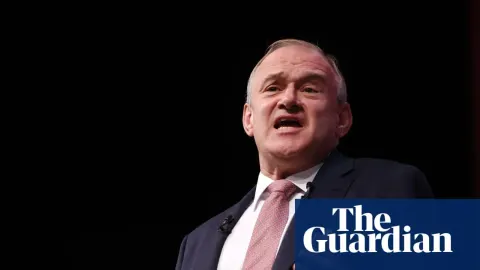
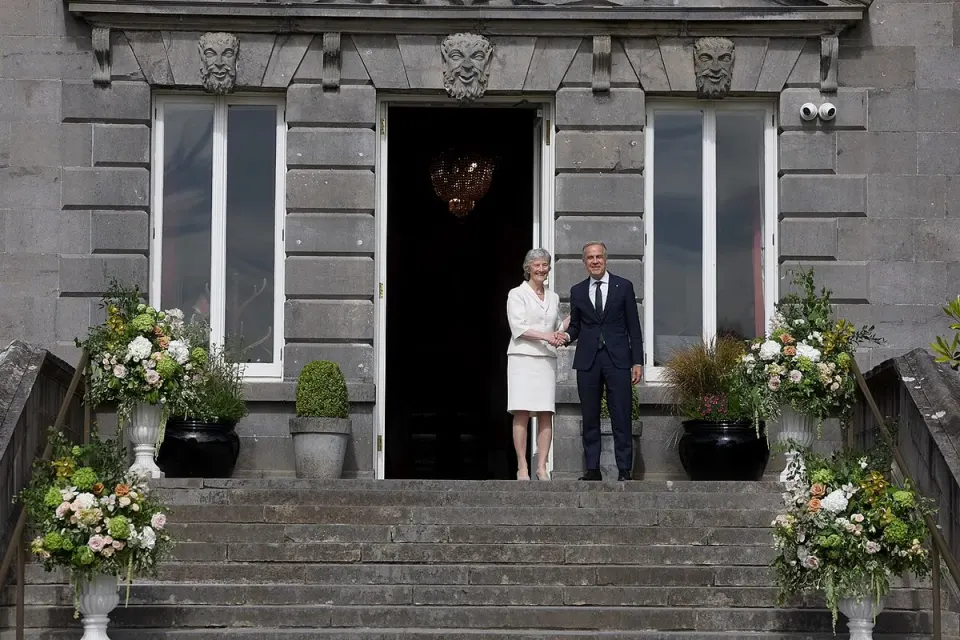
Economic relations between the United States and Canada have reached a breaking point as Prime Minister Mark Carney delivered a defiant speech to Canadians on Saturday morning. Following President Trump’s imposition of punishing tariffs, Carney ordered negotiators to suspend all trade talks, signaling a move toward direct retaliation. The Canadian leader’s stance marks a significant departure from traditional diplomacy, suggesting that the era of North American trade cooperation is effectively on hiatus in favor of a protectionist battle that could disrupt global supply chains.
This escalation is not merely a bilateral dispute; it is a signal to global markets that the rules-based order is fracturing. As Canada prepares to hit back with its own set of tariffs, the cost of goods is expected to rise across the board, fueling inflationary pressures that central banks are already struggling to contain. For investors, this trade war represents a 'war premium' on commodities, particularly gold, as the stability of the US dollar as a global trade anchor is tested by these aggressive policy shifts.
---
Tehran Markets React: Gold and USD Reach New Heights
The combination of European instability and a North American trade war has had an immediate and sharp impact on Tehran’s financial markets. As of 22:00 Tehran time, the 'fear trade' is in full swing. The USD sell rate rose from 190,500 to 195,400 Toman, marking a 2.6% increase in just 24 hours. However, the real story lies in the gold market, where the Emami coin surged from 199,500,000 to 209,000,000 Toman, a significant 4.8% jump. Gold 18k followed a similar trajectory, rising from 20,483,401 to 21,429,890 Toman (+4.6%).
This surge reflects a classic flight to safety among Iranian investors who see gold as the ultimate hedge against both domestic currency devaluation and global geopolitical chaos. When trade wars ignite between major economies like the US and Canada, the ripples are felt most acutely in volatile markets like Iran, where the psychological impact of global news often drives rapid capital reallocation. At over 200 million Toman, the Emami coin is now pricing in a high level of regional and global risk, suggesting that market participants do not expect a de-escalation in the near term.
---
Corporate Shifts: CoreWeave Insider Selling and Citi’s Bullish Call
In the corporate world, contrasting signals are emerging from the tech and banking sectors. CoreWeave CEO Michael Intrator recently sold over 13,000 shares for approximately $1.2 million, a move that often triggers caution among retail investors. While insider selling can be attributed to personal financial planning, when it occurs during a period of high market volatility, it raises questions about the short-term valuation of AI-infrastructure companies. CoreWeave has been a darling of the AI boom, but this divestment suggests that even top executives are taking some chips off the table.
Conversely, analysts at Citi are doubling down on optimism, predicting a massive rally of up to 410% for two specific 'Strong Buy' stocks. This divergence between executive actions and analyst predictions highlights the current confusion in the markets. While the 'smart money' may be hedging through sales, institutional analysts are still hunting for hyper-growth opportunities to outpace inflation. For the individual investor, the takeaway is clear: the market is currently a battleground of high-stakes speculation where the potential for massive gains is matched only by the risk of sudden corrections.
Frequently Asked Questions
Why is the gold price in Tehran rising faster than the global average?
How does a school attack in Sweden affect global financial markets?
What are the implications of Mark Carney's trade retaliation against the US?
Why Gold Shines as a Safe‑Haven Asset During Geopolitical Turmoil
Gold has been called the ultimate safe‑haven asset for centuries, a role that dates back to ancient societies that used the metal as a store of value when political order collapsed. Unlike paper money, which can be printed at will, gold’s supply grows only through mining, giving it intrinsic scarcity that investors trust when confidence in governments or financial systems wanes.
Two economic mechanisms make gold especially attractive during periods of heightened risk. First, it acts as an inflation hedge: when consumer prices rise, the purchasing power of fiat currencies erodes, but gold’s price tends to keep pace because it is priced in those very currencies. Second, gold provides a hedge against currency depreciation, a factor that is acute for economies with volatile exchange rates such as Iran, where the USD/IRR rate can swing dramatically in response to sanctions or trade‑policy shocks.
Geopolitical events—ranging from a high‑profile school attack in Sweden to retaliatory tariffs in the Canada‑U.S. trade war—can spike global risk aversion. Markets react by reallocating capital from equities and riskier assets into gold, driving up the spot price worldwide. This surge then ripples into local markets; in Tehran, the price of the Emami gold coin jumped 4.8% in August 2026 as investors sought a tangible store of wealth amid uncertainty.
The interaction between global gold trends and domestic exchange‑rate pressures creates a feedback loop. When the rial weakens against the dollar, buying gold becomes a way to preserve wealth, which in turn fuels further demand and pushes prices higher. Understanding this dynamic helps investors and policymakers anticipate how external shocks—whether a school tragedy or a trade‑policy retaliation—can translate into movements in precious‑metal markets.
Topics
Related Articles