Trade War Escalation: Canada Hits Back with Dollar-for-Dollar Tariffs as Tehran Markets Surge
تشدید جنگ تجاری: پاسخ پایاپای کانادا به آمریکا و جهش ۴.۸ درصدی قیمت سکه در تهران
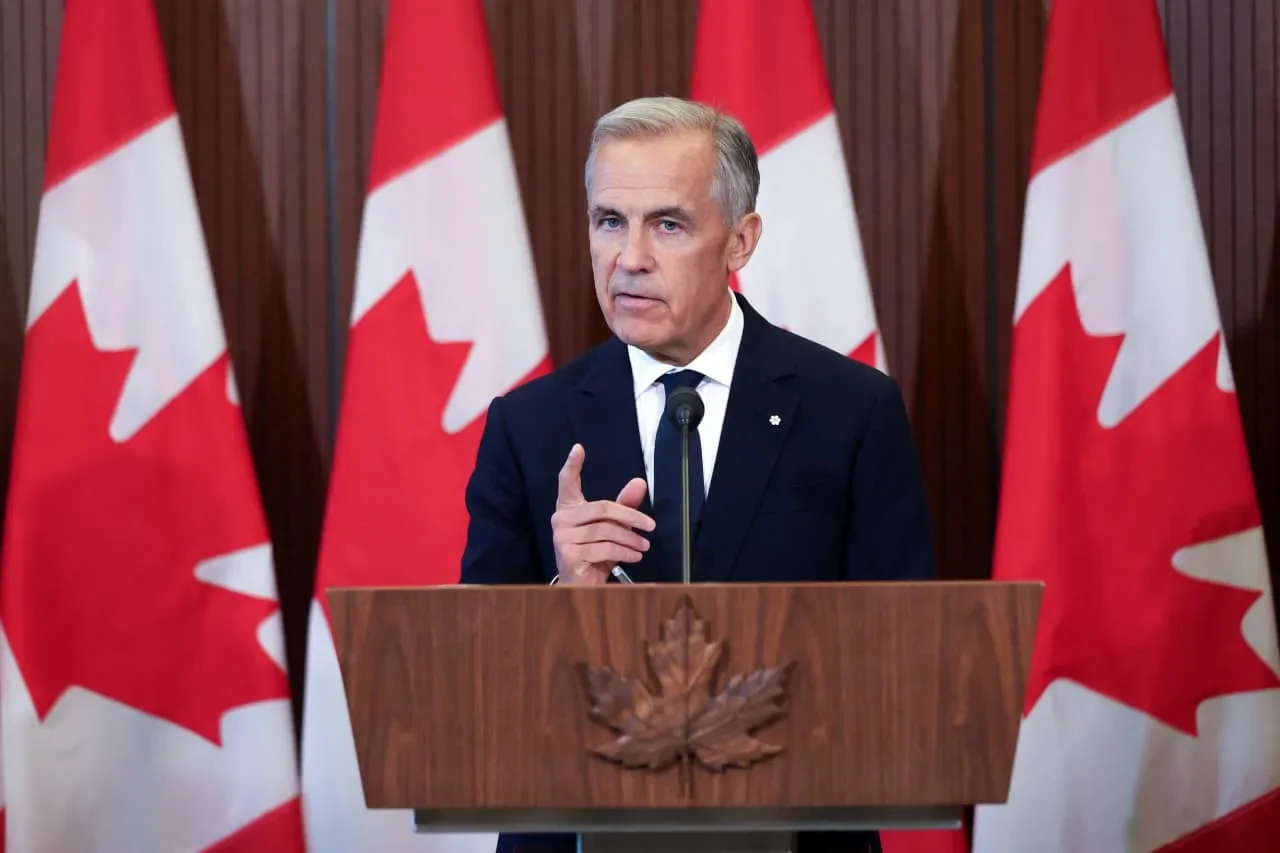
Canadian PM Mark Carney has announced retaliatory tariffs against the U.S. following a breakdown in trade talks, sending ripples through global markets. In Tehran, the news has fueled a sharp rally in gold and USD prices as investors seek safety in a fracturing global economy.
At time of publishing
USD
195,400
Toman
Gold 18K
21.43M
Toman / gram
Bitcoin
$77,271
US Dollar
Tether
192,536
Toman
Canada Declares Trade War: 'Dollar-for-Dollar' Retaliation
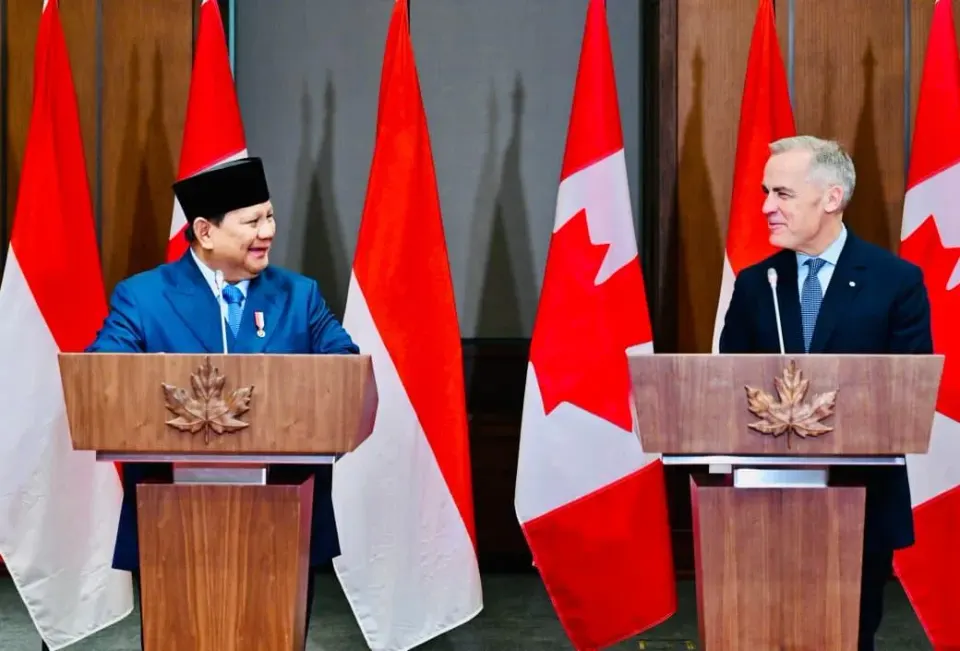
Prime Minister Mark Carney has officially drawn a line in the sand, announcing that Canada will implement "dollar-for-dollar" retaliatory tariffs on U.S. goods starting September 8. This move comes as a direct response to the U.S. imposing 50% tariffs on nearly $20 billion worth of Canadian products earlier this week. The breakdown in trade negotiations between the two North American giants marks a significant escalation, shifting from diplomatic friction to an outright trade war that threatens to disrupt integrated supply chains across the continent.
Carney’s announcement, made late Saturday, suggests that Ottawa is no longer willing to wait for concessions or diplomatic breakthroughs. By matching the U.S. tariffs precisely, Canada aims to exert maximum political pressure on Washington while shielding its own industries from what it calls "unjustified economic aggression." This trade conflict is expected to increase the cost of consumer goods in both nations, potentially reigniting inflationary pressures that central banks have been struggling to contain for years.
Tehran Markets React: Gold and USD Reach New Heights
The global instability triggered by the North American trade spat has had an immediate and volatile impact on the Iranian market. At 23:00 Tehran time, the USD sell rate has climbed to 195,400 Toman, rising from 190,500 (+2.6%) in just the last 24 hours. The psychological barrier of 195,000 has been breached, reflecting a rush toward hard currency as domestic investors anticipate further global economic fragmentation and its secondary effects on regional trade.
In the precious metals sector, the reaction has been even more pronounced. Gold 18k per gram surged from 20,483,401 to 21,429,890 Toman, marking a significant 4.6% increase. The Emami coin followed suit, jumping 4.8% to reach 209,000,000 Toman. This rally is driven by a "flight to quality," where Iranian savers, wary of currency devaluation and the escalating trade war between major world powers, are parking their capital in gold. With the global gold ounce price sitting at $4,604.40, the domestic market is currently pricing in a high risk premium.
Amazon’s $25 Billion Chip Milestone and the AI Hardware Race
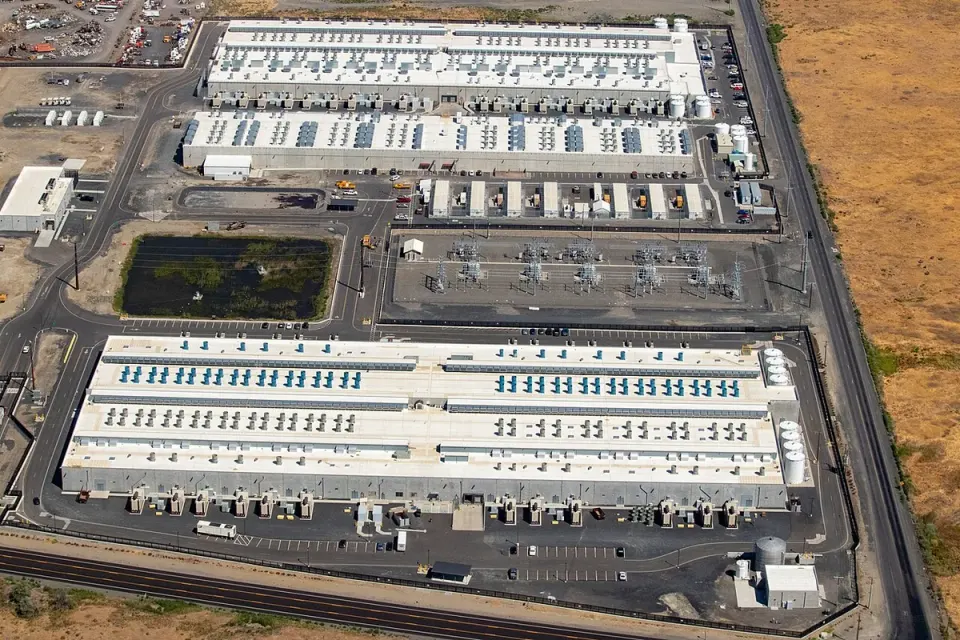
While trade wars dominate the headlines, the technology sector is undergoing a massive structural shift. Amazon’s custom chip business has reportedly crossed a $25 billion annual run rate, a milestone that underscores the company’s success in internalizing its hardware needs. By developing its own silicon for Amazon Web Services (AWS), the company is reducing its reliance on third-party giants like Nvidia and Intel, allowing it to optimize performance for artificial intelligence workloads while significantly lowering operational costs.
This development signifies that the "AI gold rush" is entering a more mature and competitive phase. The largest cloud providers are no longer just software and service companies; they are becoming major hardware manufacturers. For investors, Amazon’s success in this area suggests a long-term competitive advantage in the cloud market, as custom-designed chips allow for better energy efficiency and tailored processing power that generic hardware cannot match. It also signals a broader trend where the tech industry’s giants are vertically integrating to survive in a high-demand, low-supply environment for semiconductors.
Defense Claims and Energy Shifts: The Domestic and Global Outlook
On the domestic front, Brigadier General Reza Talaei-Nik, spokesperson for the Iranian Ministry of Defense, claimed that Western sanctions have been transformed into an "opportunity for localization." According to state media reports, the General asserted that the defense industry has seen a "leap" in self-reliance, particularly in weaponry and logistics. While these statements are part of a long-standing official narrative aimed at projecting strength under pressure, they highlight the regime's continued focus on developing a closed-loop military economy, even as the civilian sector remains highly sensitive to global market fluctuations.
Meanwhile, in the energy sector, clean energy spending in the U.S. is surprisingly tracking toward a record $180 billion in 2026. Despite the rollback of various federal incentives, market forces and private investment are driving a massive buildout of renewable infrastructure. This trend suggests that the transition toward a greener energy grid has reached a point of economic inevitability, where the cost of wind and solar is now competitive enough to thrive without heavy government subsidies. For global markets, this shift provides a counter-narrative to the trade war, showing that long-term capital is still flowing into infrastructure that promises future stability.
Frequently Asked Questions
Why did Canada impose retaliatory tariffs on the US?
How did the Tehran gold market react to the trade war news?
What is the significance of Amazon's $25 billion chip run rate?
Understanding Dollar‑for‑Dollar (Reciprocal) Tariffs in Modern Trade Wars
In a trade war, governments often resort to reciprocal tariffs, colloquially called “dollar‑for‑dollar” tariffs, to retaliate against a rival’s import duties. The principle is simple: for every dollar of tariff imposed on a country's exports, the retaliating nation levies an equivalent dollar amount on the same or similar goods from the offending partner. This symmetry is meant to signal that the costs of protectionism will be mirrored, discouraging further escalation.
The mechanics differ from ad‑valorem or specific tariffs. While an ad‑valorem tariff is a percentage of the product’s value (e.g., 10% of the import price), a dollar‑for‑dollar tariff is a fixed monetary amount per unit or per shipment that matches the rival’s levy. For example, if the United States imposes a $5 per barrel tariff on Canadian oil, Canada may respond with a $5 per barrel tariff on U.S. agricultural products. This approach makes the retaliation transparent and easily comparable, but it can also create price spikes in targeted markets, as seen in the recent surge of Tehran’s commodity prices when Canada announced its counter‑measures.
Economically, reciprocal tariffs can distort trade flows, raise consumer prices, and trigger exchange‑rate pass‑through effects. When tariffs increase the cost of imported goods, domestic currencies may appreciate or depreciate depending on the balance of trade and capital flows. In the Canada‑U.S. context of 2026, analysts noted a modest strengthening of the Canadian dollar against the U.S. dollar as export‑oriented sectors faced higher barriers, while the Iranian rial experienced volatility due to unrelated sanctions and commodity price shocks.
Beyond the immediate price impact, dollar‑for‑dollar tariffs serve a strategic purpose: they signal resolve and provide leverage in negotiations. By matching the opponent’s fiscal burden, a country demonstrates that it will not absorb unilateral penalties, encouraging a return to the negotiating table. However, the approach can backfire if the retaliatory tariffs target essential goods, leading to domestic political backlash and broader economic inefficiencies.
For policymakers and investors, understanding the nuances of reciprocal tariffs is crucial. They affect sectoral profitability, supply‑chain decisions, and currency markets. Monitoring announcements—such as Mark Carney’s recent tariff proposals on U.S. tech components—helps anticipate shifts in trade balances, commodity prices, and related financial assets.
Topics
Related Articles