Trade War Escalation: Canada Vows Retaliation Against Trump as Tehran Issues Regional ‘Economic War’ Warning
تشدید جنگ تجاری: اولتیماتوم کانادا به ترامپ و هشدار تهران به همسایگان درباره «جنگ اقتصادی»
Canadian Prime Minister Mark Carney has suspended trade talks and announced retaliatory tariffs against the US, while Tehran warns regional neighbors that joining US sanctions will be viewed as an act of enmity.
At time of publishing
USD
195,400
Toman
Gold 18K
21.33M
Toman / gram
Bitcoin
$76,192
US Dollar
Tether
193,591
Toman
Carney Strikes Back: Canada Prepares for Full-Scale Trade War with Trump
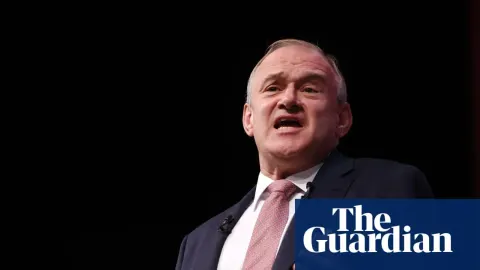
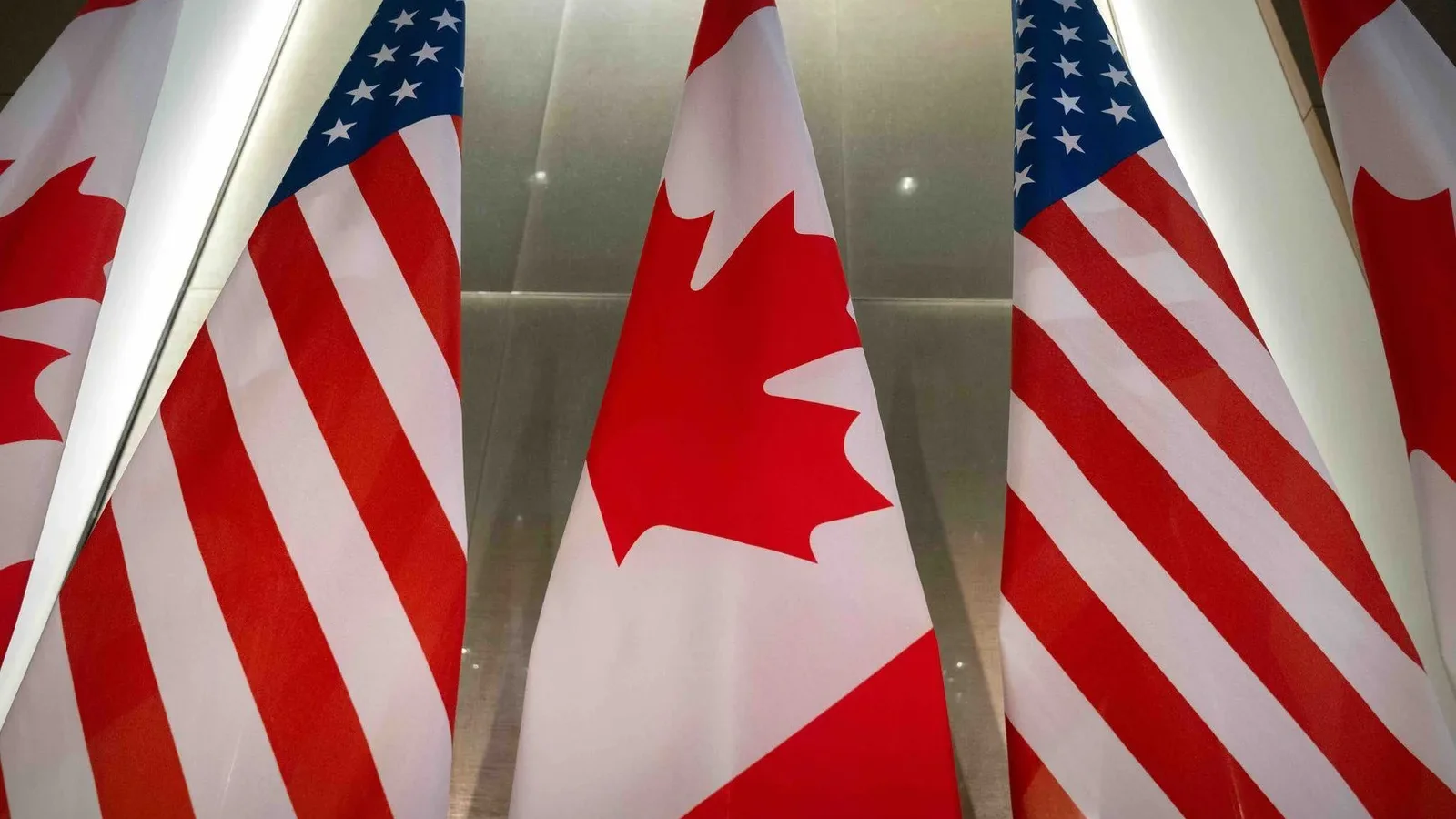
The diplomatic relationship between Ottawa and Washington has hit a generational low as Canadian Prime Minister Mark Carney officially suspended trade negotiations with the United States. This drastic move follows President Trump’s imposition of 50% tariffs on approximately $20 billion worth of Canadian goods, a move that has sent shockwaves through North American supply chains. Carney, in a pointed address to the nation, stated that "you just can't trust Trump," signaling a fundamental breakdown in the strategic partnership that has defined the continent's economy for decades.
In response to the American protectionist surge, Canada has announced its own "dollar-for-dollar" retaliatory measures. Starting September 8, Canada will impose heavy tariffs on US steel, electronics, and various consumer products. This escalation is not merely a political spat; it represents a significant shift in global trade dynamics where traditional allies are now adopting aggressive economic postures. For investors, this means heightened volatility in commodity markets and a potential reconfiguration of manufacturing hubs that previously relied on seamless cross-border logistics.

Tehran’s Ultimatum: Neighbors Warned Against Joining US ‘Economic War’
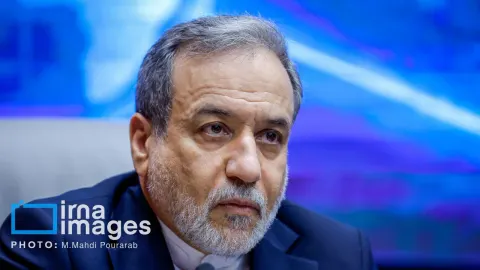
In the Middle East, the rhetoric is equally sharp as Iranian officials respond to the threat of "crushing" sanctions from the Trump administration. Tehran has issued a stern warning to its regional neighbors, explicitly stating that any country assisting the US in its "economic war" against Iran will be considered an enemy. This development follows statements from the Iranian leadership asserting that the provision of arms or strategic support to the "Zionist regime" and its allies is viewed as direct complicity in crimes against the region.
President Masoud Pezeshkian, while renewing allegiance to the ideals of the Islamic Republic, has overseen a diplomatic push to isolate American influence. However, the underlying message to the Persian Gulf states is one of deterrence: any participation in the US-led isolation strategy will be met with retaliation that could target the interests of those nations. This high-stakes environment is already reflecting in the domestic markets; while the USD/IRR remained flat at 195,400 Toman this hour, the Emami coin price rose from 209,000,000 to 214,000,000 Toman (+2.4%), indicating a flight to hard assets as geopolitical tensions simmer.
The Invisible Threat: From UK Bank Scams to Crypto Disappearances
Beyond the macro-economic battles, a different kind of war is being waged against individual wealth. In the UK, authorities have issued an urgent warning regarding "Friday afternoon fraud," a sophisticated phishing scheme targeting homebuyers. Criminals are intercepting email chains between buyers and solicitors to divert massive deposits—sometimes exceeding £300,000—into fraudulent accounts. This highlights a growing trend where digital infrastructure vulnerabilities are being exploited at the most critical moments of high-value transactions, leaving victims with little recourse once the funds are moved.
This climate of digital insecurity is mirrored in the cryptocurrency sector, where the mysterious disappearance of another European crypto exchange boss has reignited fears about industry-wide systemic risks. While institutional interest remains high—evidenced by Bitcoin and Ether ETFs drawing $2.6 billion in their strongest inflow week since October—the lack of robust oversight continues to haunt the retail sector. As global markets grapple with these twin threats of state-level trade wars and individual-level cybercrime, the premium on security and verified financial channels has never been higher.
Frequently Asked Questions
Why did Canada suspend trade talks with the US?
What is the 'Friday afternoon fraud' mentioned in the news?
How has the Iranian market reacted to the latest geopolitical warnings?
How Tariff Retaliation Works in Trade Wars
When a country imposes a tariff on imports, it is essentially a tax that makes foreign goods more expensive for domestic consumers. The immediate goal is often to protect local industries, but tariffs also become a bargaining chip in international negotiations. If the targeted country feels the measure is unfair, it can respond with its own tariffs on the original initiator’s exports – a process known as tariff retaliation. This tit‑for‑tat escalation can quickly turn a single policy change into a broader trade war, where each side raises duties in a spiral that hurts both economies.
The legal framework for such disputes is largely governed by the World Trade Organization (WTO). Member nations agree to the WTO’s most‑favoured‑nation (MFN) principle, which requires them to treat all trading partners equally unless a specific exemption applies. When a country believes another has violated WTO rules – for example, by imposing a tariff that exceeds agreed limits – it can file a dispute settlement case. The WTO then investigates, and if the complaint is upheld, the offending nation must either remove the tariff or negotiate compensation, often in the form of equivalent tariffs on other goods.
In practice, political considerations frequently override legal ones. The recent tension between the United States and Canada illustrates this dynamic. After former President Trump threatened higher duties on Canadian steel and aluminium, Canada’s finance minister Mark Carney warned of reciprocal measures, signalling that Canada could impose its own tariffs on U.S. agricultural products. Such retaliatory tariffs are designed to pressure the original aggressor into backing down, but they also risk harming domestic producers who rely on the very imports being taxed.
While tariffs can be a powerful tool, economists warn that prolonged trade wars reduce overall welfare by raising prices, disrupting supply chains, and discouraging investment. The dead‑weight loss created by higher consumer prices and lower export volumes often outweighs any short‑term political gains. Understanding the mechanics of tariff retaliation helps citizens see why leaders may choose negotiation over escalation, and why international institutions like the WTO strive to keep trade disputes from spiraling out of control.
Topics
Related Articles