Araghchi’s OIC Ultimatum and the Toman’s Sunday Cool-off: Regional Tension Meets Market Correction
اولتیماتوم عراقچی در جده و عقبنشینی آرام دلار در تهران: تقابل دیپلماسی و اصلاح قیمتها
Iran's Foreign Minister warns of a diplomatic rift at the OIC over Yemen, while domestic markets see a slight cooling as USD and Gold prices retreat from recent highs. Meanwhile, massive unrest in France and security incidents in the UK highlight a volatile global backdrop.
At time of publishing
USD
261,500
Toman
Gold 18K
25.90M
Toman / gram
Bitcoin
$82,147
US Dollar
Tether
261,887
Toman
Diplomacy on the Edge: Araghchi’s OIC Challenge
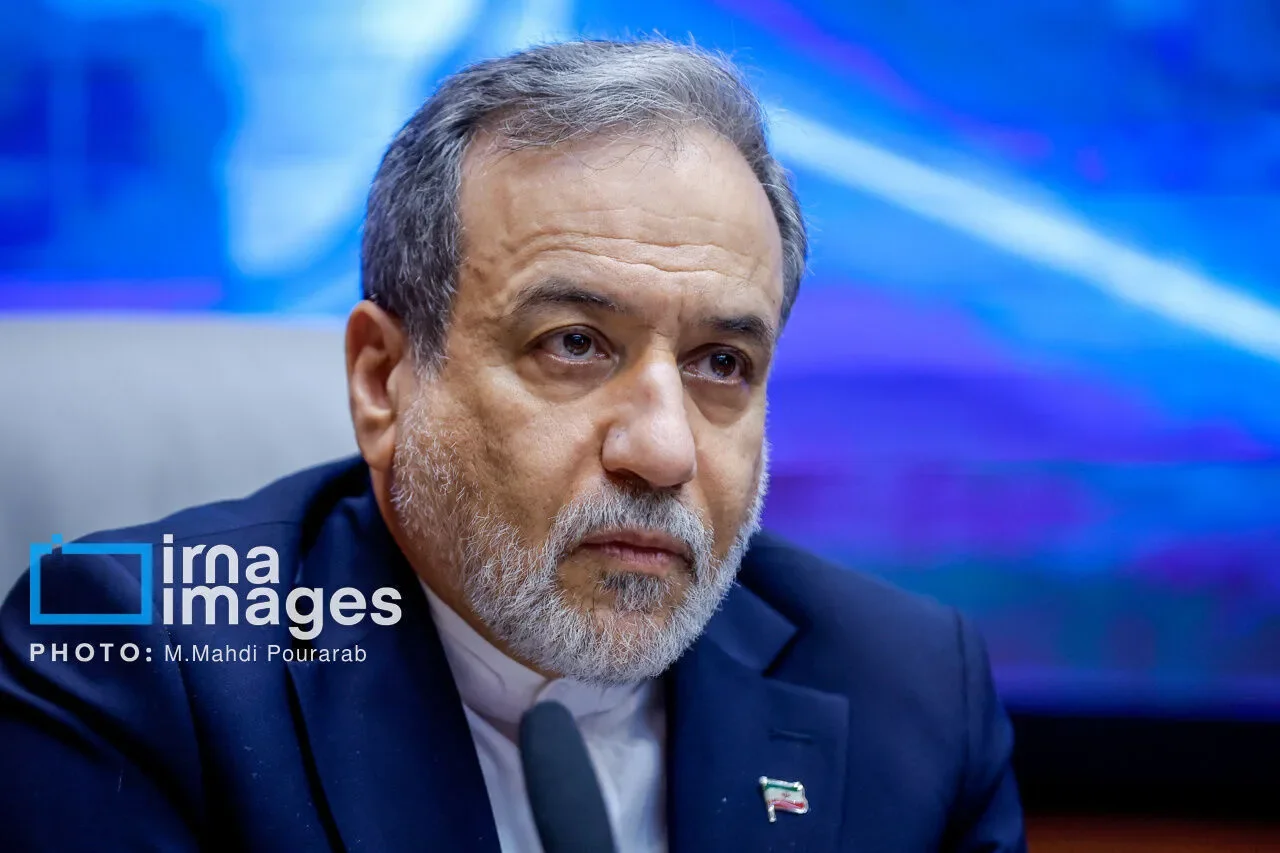
In a significant diplomatic move on Sunday, October 18, 2026, Iranian Foreign Minister Abbas Araghchi signaled that Tehran is prepared to openly object to a proposed resolution on Yemen at the Organization of Islamic Cooperation (OIC). Araghchi emphasized that the final text must reflect "fairness and balance," suggesting that Iran will not support any document that unfairly targets its regional allies or ignores the complexities of the Yemeni conflict. This stance highlights the ongoing friction between Tehran and other major OIC members, as the organization attempts to forge a unified path toward regional stability.
This diplomatic maneuvering is more than just rhetoric; it serves as a barometer for Iran's regional influence and its willingness to stand alone in multilateral forums. For the Iranian public and market observers, these tensions often translate into volatility. When diplomatic bridges are perceived to be weakening, the risk premium on the Iranian Toman typically rises. However, the current focus on "wordings and fairness" suggests a calculated effort to maintain leverage without triggering a full-scale diplomatic breakdown, providing a tense but stable backdrop for the afternoon's trading session.
Security Rhetoric Intensifies Amid Regional Threats
Parallel to the diplomatic front, senior Iranian security and defense officials have ramped up their warnings against foreign intervention. Major General Mohsen Rezaei, Secretary of the Supreme National Security Council, stated today that Iran’s Armed Forces have prepared a "devastating response" to any new US or Israeli adventurism. Rezaei’s comments specifically referenced past conflicts, suggesting that any future military escalation would surpass the intensity of previous engagements. This follows statements from the newly appointed Defense Minister, Mehrdad Akhlaghi-Ketabchi, who dismissed recent threats from the Trump administration as mere "bluster," while asserting that Tehran has devised concrete measures to counter any actual movement toward conflict.
These statements are designed to project strength and deter external pressure as the US administration continues its aggressive posture toward Tehran. For the domestic audience, such rhetoric often serves a dual purpose: reinforcing national resolve and attempting to stabilize public sentiment against external economic shocks. By framing the military as fully prepared, the government hopes to decouple market anxiety from geopolitical headlines, though the effectiveness of this strategy remains to be seen as the market continues to price in the possibility of renewed sanctions or escalations.
Global Unrest and the Toman’s Afternoon Retreat
While regional tensions remain high, global headlines are dominated by massive unrest in Europe. In France, the interior ministry reported that arrests have climbed to 1,800 following a weekend of "devastating" protests over the cost of living and public spending. The scale of the violence, which has left streets in Paris in ruins, underscores a growing frustration with economic inequality across the continent. Similarly, in the UK, security concerns have spiked following a shooting in Nottingham and a scandal involving NHS staff inappropriately accessing private medical records. These events contribute to a sense of global instability that often drives investors toward safe-haven assets like gold.
Despite this global chaos, the Iranian market saw a minor correction during the Sunday afternoon session. The USD sell rate moved from 263,400 to 261,500 Toman, marking a 0.7% decrease over the last 24 hours. Gold also followed suit, with 18k gold dropping from 26,051,525 to 25,901,472 Toman per gram (-0.6%). The Emami coin, a staple of local investment, fell from 266,500,000 to 264,000,000 Toman (-0.9%). This slight retreat suggests that the market may have been overextended in previous days, and traders are now taking profits or waiting for more definitive signals from the OIC meetings in Jeddah.
Frequently Asked Questions
Why is Iran threatening to object to the OIC resolution?
Why did the price of USD and Gold drop today in Iran?
What is happening in France and how does it affect markets?
Geopolitical Risk and Currency Valuation
Geopolitical risk refers to the risk associated with political instability, international tensions, and conflicts that can significantly impact financial markets, including currency valuations. When events like diplomatic ultimatums, regional conflicts, or political warnings emerge, they introduce a high degree of uncertainty into the economic outlook. This uncertainty can deter foreign investment, encourage capital flight, and prompt domestic actors to seek safer assets, often leading to a depreciation of the local currency against more stable international currencies like the US dollar.
The mechanism behind this impact is rooted in investor confidence and risk perception. Increased geopolitical tensions typically elevate the "risk premium" demanded by investors for holding assets in the affected region. For a currency, this means that investors require a higher return or are willing to pay less for it due to the heightened risk of future instability, sanctions, or economic disruption. This shift in sentiment can lead to rapid selling of the local currency, driving down its value in the foreign exchange market as demand for foreign currency (often seen as a safe haven) increases.
In the context of the Iranian Toman, statements like an "OIC ultimatum" or a "warning" from a prominent official can directly signal escalating regional tensions or potential policy shifts. Such developments are quickly priced into the USD/IRR exchange rate, often leading to a sharp depreciation of the Toman as market participants anticipate greater economic uncertainty or potential international isolation. The "Sunday cool-off" mentioned in the headline might indicate a temporary easing of these pressures or a market correction after an initial overreaction, but the underlying geopolitical factors often continue to exert influence on the currency's long-term trajectory. Understanding this dynamic is crucial for comprehending why political headlines often translate directly into shifts in asset prices and currency values.