Tehran Signals Geopolitical Shift as Gold Surges 3.8% Amid Trump-Canada Trade Escalation
سیگنالهای ژئوپلیتیک تهران همزمان با جهش ۳.۸ درصدی سکه و تشدید جنگ تجاری ترامپ و کانادا
Iranian military officials claim recent conflicts have bolstered national unity while the Pezeshkian administration prioritizes defense funding. Meanwhile, global markets react to Donald Trump's latest insults toward Canada and a critical supply bottleneck in AI infrastructure.
At time of publishing
USD
195,400
Toman
Gold 18K
21.76M
Toman / gram
Bitcoin
$76,250
US Dollar
Tether
194,890
Toman
Tehran Reflects on Conflict as Military Spending Takes Center Stage
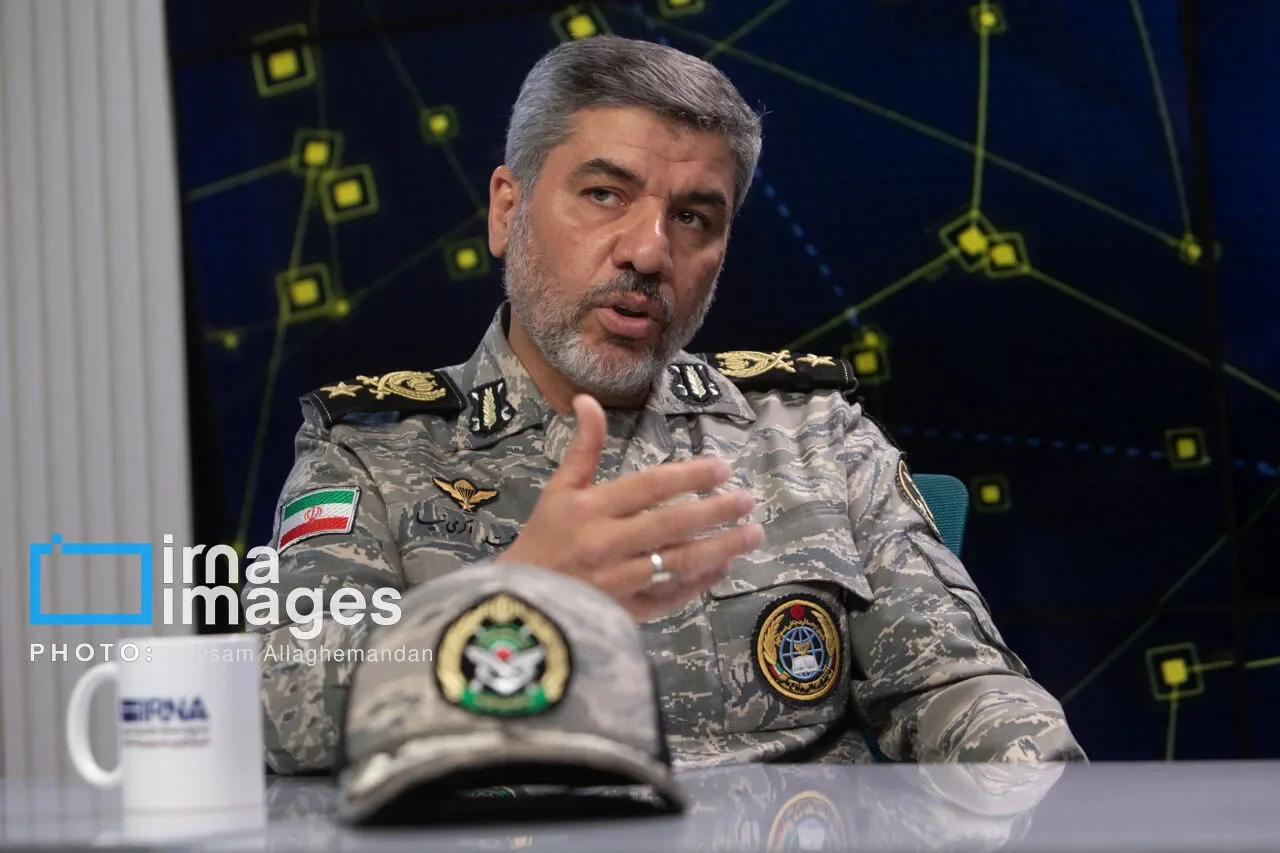
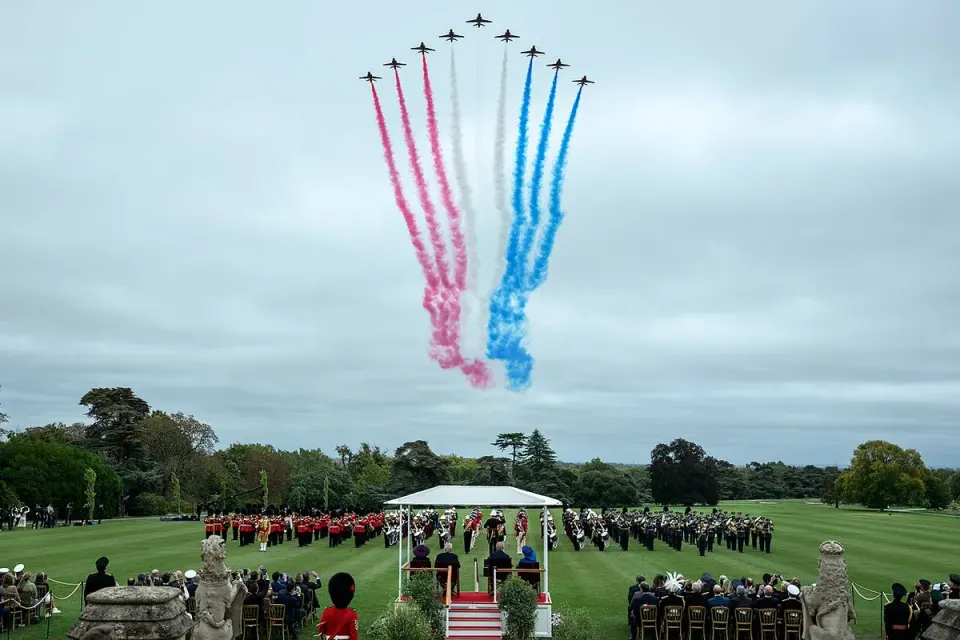
At 11:00 Tehran time, the domestic discourse is dominated by reflections on recent military engagements. Brigadier General Mohammad Akraminia, a spokesperson for the Army of the Islamic Republic of Iran, claimed in an exclusive interview with state media that the country’s recent conflicts with the United States and the Israeli regime have served to strengthen national unity. According to Akraminia, these events have created a heightened sense of "geopolitical awareness" among the Iranian public. While the official narrative focuses on resilience, the underlying reality remains one of intense regional friction and the heavy economic toll of maintaining a high-state of military readiness. The Pezeshkian administration has reportedly aligned its executive capacities to support the Armed Forces throughout what state media refers to as the "12-day and 40-day wars." This strategic pivot suggests that despite initial hopes for economic reform or diplomatic easing, the government is currently doubling down on defense and essential service continuity. For the average Iranian citizen, this military-first posture often translates into redirected national resources, potentially affecting long-term infrastructure and social spending. The government's emphasis on "national defense" serves as a primary justification for the current economic landscape, where security concerns frequently override fiscal transparency.
Gold Prices Spike as Geopolitical Risk Rattles Domestic Markets
The domestic market in Tehran is showing clear signs of anxiety following the military statements and global trade tensions. While the US Dollar remained flat at 195,400 Toman, the gold market experienced significant volatility. The Emami coin saw a sharp increase, rising from 209,000,000 to 217,000,000 Toman, representing a 3.8% jump in just 24 hours. Similarly, 18-karat gold rose from 21,429,890 to 21,757,698 Toman (+1.5%). These movements indicate that investors are fleeing to safe-haven assets as the rhetoric of "economic war" and regional conflict intensifies. This decoupling of gold from the currency's immediate movement suggests that the public is pricing in future risks that haven't yet fully hit the USD/IRR exchange rate. Historically, when gold coins outpace the dollar in percentage gains, it reflects a deeper fear of sudden geopolitical shocks rather than just standard inflation. With the global ounce of gold sitting at a high of $4,604.40, the pressure on the Iranian market is both internal and external. Traders are keeping a close eye on the border and international shipping lanes, as any further escalation could force the dollar to follow gold's lead into higher territory.
Trump Slams Canada as Trade War Enters a Dangerous New Phase
On the international stage, the trade war between the United States and Canada has taken a personal and vitriolic turn. US President Donald Trump recently lambasted Canadian Prime Minister Mark Carney, claiming that Canada wants "the benefits of being a state, without being one." This rhetoric followed Carney’s decision to walk away from a trade deal he deemed unfavorable and the subsequent announcement of retaliatory tariffs. The escalating tension between the two neighbors has sent ripples through global supply chains, as Trump’s comments challenge the very sovereignty of one of America's largest trading partners. The fallout from this dispute is likely to be costly for both nations. For Canada, standing up to the US is a matter of national pride and economic survival, but it risks significant disruption to the automotive and energy sectors that are deeply integrated across the border. For global markets, this friction introduces a new layer of uncertainty. If the US-Canada relationship continues to deteriorate, it could lead to higher prices for consumer goods and raw materials, further complicating the global inflation outlook. Investors are watching closely to see if Carney can maintain domestic support as the economic costs of the tariff battle begin to mount.
The AI Bottleneck: Energy Constraints Meet Silicon Ambition
While trade wars and regional conflicts dominate headlines, a more structural crisis is brewing in the technology sector. GE Vernova has confirmed that orders for heavy-duty gas turbines placed today will not be delivered until 2031. This massive backlog is directly linked to the explosive growth of AI data centers, which require immense amounts of reliable power. Goldman Sachs estimates that US data center power demand will climb from 31 gigawatts in 2025 to 66 gigawatts by 2027. The inability to secure power generation equipment has become the single biggest constraint on the AI revolution.
What this means for the global economy is a potential slowdown in the deployment of large-scale AI models. Companies that have invested billions in chips may find themselves with hardware that they cannot plug in. This energy shortage is also driving up the value of existing power infrastructure and traditional energy sources, as the "green transition" struggles to keep pace with the sheer electricity demand of the digital age. For the tech-heavy FTSE and NASDAQ indices, this 2031 delivery schedule is a sobering reminder that the virtual world remains tethered to the physical constraints of heavy industry and power grids.
Domestic Focus: Iran Launches Massive Agricultural Push
Amidst the focus on military and macro-economic issues, the Iranian Ministry of Agriculture has announced the inauguration of 1,925 projects across the country. Agriculture Minister Gholamreza Nouri Ghezeljeh stated that these projects, set to launch during Government Week starting August 24, are designed to bolster food security and rural development. Hormozgan Province is slated to receive the largest share of these initiatives, with 32 major projects focused on local production and irrigation improvements. While the government frames these projects as a success in self-sufficiency, independent analysts often point to the severe water crisis and environmental degradation that plague Iranian agriculture. The launch of nearly 2,000 projects in a single week is a classic state-media strategy to project an image of progress and stability during times of high inflation. For the rural population, the real test will not be the ribbon-cutting ceremonies, but whether these projects can actually lower the cost of food staples or provide sustainable livelihoods in an economy increasingly isolated by sanctions and high defense spending.
Frequently Asked Questions
Why did the Emami coin price jump 3.8% while the USD stayed flat?
What is the '12-day and 40-day wars' mentioned by Iranian officials?
How does the GE Vernova turbine backlog affect AI companies?
What is the root of the current US-Canada trade dispute?
Gold as a Safe Haven Asset
In times of heightened economic uncertainty or geopolitical tension, investors often seek out what are known as "safe haven assets." These are investments expected to retain or even increase in value during market turbulence, offering a refuge from the volatility that plagues other asset classes. Gold, with its millennia-long history as a store of value, stands out as the quintessential safe haven. The recent surge in gold prices in Tehran, amid escalating trade tensions between major global economies and broader geopolitical shifts, perfectly illustrates this phenomenon.
What makes gold such a reliable safe haven? Unlike fiat currencies, which can be devalued by government policy, or stocks, whose values are tied to corporate performance and economic cycles, gold possesses intrinsic value and is not subject to the same counterparty risks. Its supply is finite, it is globally recognized and easily tradable, and it maintains its purchasing power over long periods, especially when inflation erodes the value of paper money. During crises, the demand for gold typically rises as investors move capital away from riskier, growth-oriented assets like equities and into tangible, universally accepted forms of wealth preservation.
Geopolitical events, such as trade wars, military conflicts, or significant policy shifts, introduce unpredictable elements into global markets. These uncertainties can trigger fears of economic slowdowns, currency devaluations, or even systemic financial instability. In such an environment, the perceived safety and stability of gold become highly attractive. The "Emami coin price hike" and general "Tehran gold market volatility" mentioned in the keywords reflect how local markets react to both international anxieties and domestic factors, reinforcing gold's role as a primary hedge against various forms of risk. Understanding gold's safe haven status is crucial for comprehending market movements during periods of global unrest.
Topics
Related Articles