Tehran Tightens Anti-Infiltration Laws as Toman Nears 200k Amid Nuclear Sabotage Claims
تشدید قوانین ضدجاسوسی در مجلس همزمان با خیز دلار به سمت مرز ۲۰۰ هزار تومان
Iran's Parliament is fast-tracking a bill to combat foreign infiltration as the Toman faces extreme pressure, trading just shy of 200,000 per USD. Meanwhile, nuclear officials claim the Isfahan fuel plant was the primary target of recent Western-led strikes.
At time of publishing
USD
199,900
Toman
Gold 18K
21.93M
Toman / gram
Bitcoin
$77,143
US Dollar
Tether
197,997
Toman
Domestic Crackdown Amid Economic Turmoil
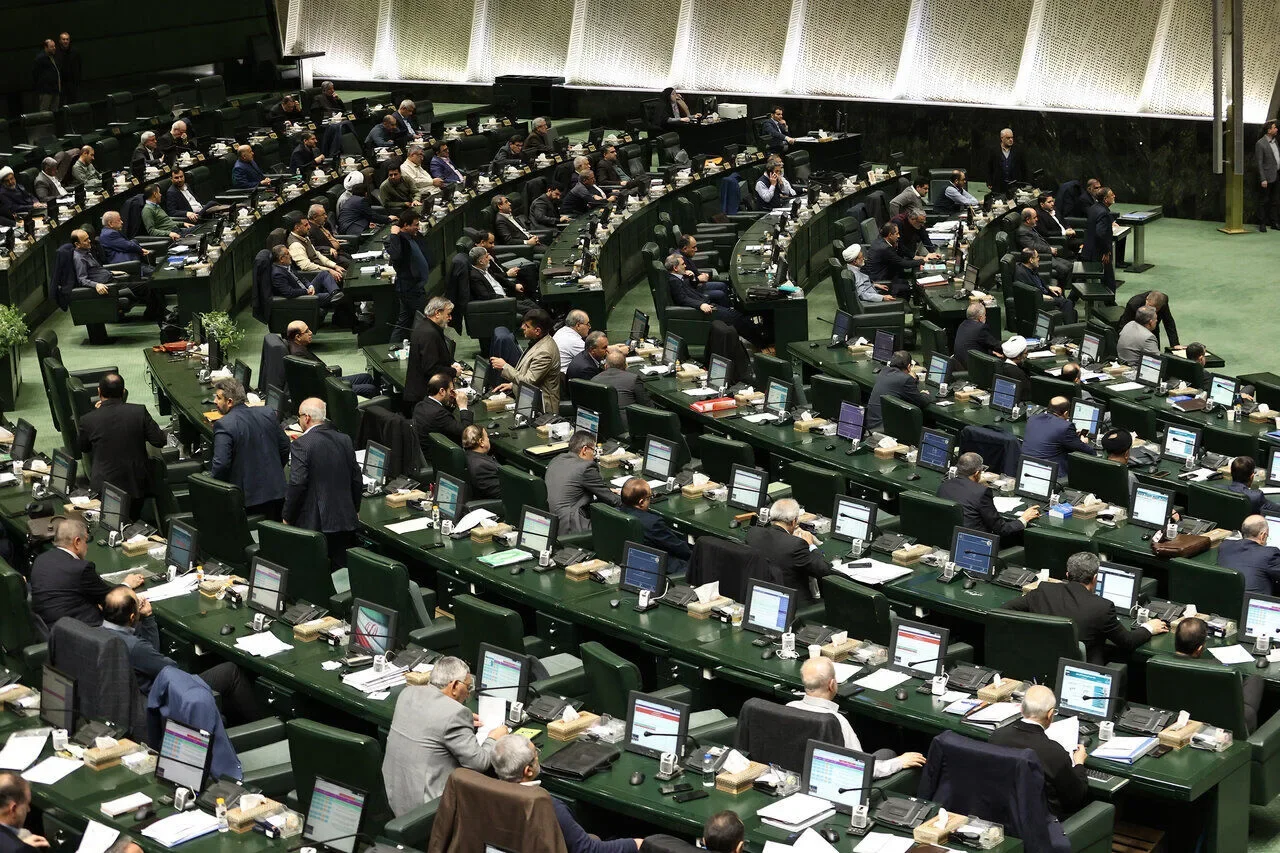
As the Iranian Toman teeters on the edge of a historic psychological barrier, the Iranian Parliament (Majlis) has pivoted its focus toward internal security and the legal framework for countering foreign influence. During an open session on Sunday, lawmakers reviewed proposed amendments to Article 2 of a bill specifically designed to combat foreign infiltration. While state media outlets like IRNA frame this as a necessary step for national sovereignty, the timing suggests a dual-purpose strategy. By tightening the definition of 'infiltration' and increasing the penalties for cooperation with foreign entities, the government is effectively raising a shield against domestic dissent and civilian-led diplomacy that falls outside of state control.

This legislative move coincides with a period of intense currency volatility. In the last 24 hours, the USD moved from 195,400 to 199,900 (+2.3%), bringing it within a few hundred Tomans of the 200,000 mark. Historically, when the Toman loses significant value, the government often ramps up its rhetoric regarding 'economic sabotage' and foreign 'infiltration' to shift the blame for fiscal mismanagement. For the average Iranian, this legal tightening means that even routine interactions with international organizations or NGOs could soon carry higher legal risks, further isolating the country’s civil society at a time when economic ties are already being severed by sanctions.
Nuclear Sabotage Claims and the Risk Premium
Adding to the atmosphere of a nation under siege, Mohammad Eslami, the head of the Atomic Energy Organization of Iran (AEOI), claimed today that the nuclear fuel production plant in Isfahan was the primary target of military assaults by the United States and Israel over the past year. According to Eslami, these 'wars of aggression' were specifically aimed at crippling Iran's domestic fuel cycle. While these claims are part of a broader narrative of resistance, they have a tangible impact on local markets. The perceived risk of renewed conflict or sabotage has driven a massive surge in safe-haven assets. The Emami coin, for instance, jumped from 209,000,000 to 218,000,000 (+4.3%) in just 24 hours, reflecting a deep-seated fear among investors that the 'shadow war' could escalate into a direct confrontation.
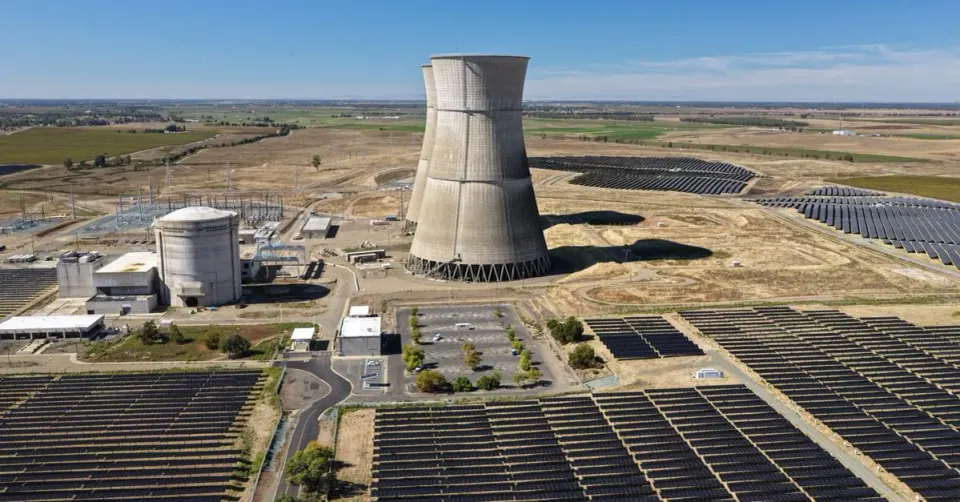
The focus on Isfahan is particularly significant given its central role in Iran’s nuclear infrastructure. By publicizing these alleged targets now, the authorities are likely attempting to justify increased defense spending and a harder line in regional negotiations. However, for the markets, this rhetoric only serves to increase the 'war premium' on gold and hard currency. Gold 18k per gram also saw a significant rise, moving from 21,429,890 to 21,930,837 (+2.3%), as citizens rush to protect their savings from both inflation and the threat of physical conflict. The disconnect between official claims of 'thwarted attacks' and the reality of a devaluing currency remains the central tension for the Iranian public.
Global Trade Wars and the Crypto Cooling
On the international stage, the escalating trade war between Donald Trump and Canadian Prime Minister Mark Carney is creating a ripple effect that touches even the isolated Iranian economy. Trump’s latest social media outbursts, where he mocked Canada as wanting the benefits of a '51st State' without the responsibilities, have sent shockwaves through global trade sentiment. As 50% tariffs begin to hit everything from Canadian hockey sticks to base metal statuettes, the US dollar has gained strength as a global safe haven. This global dollar strength inadvertently puts even more pressure on the Toman, as the cost of importing goods through third-party intermediaries becomes more expensive due to the strengthened greenback.
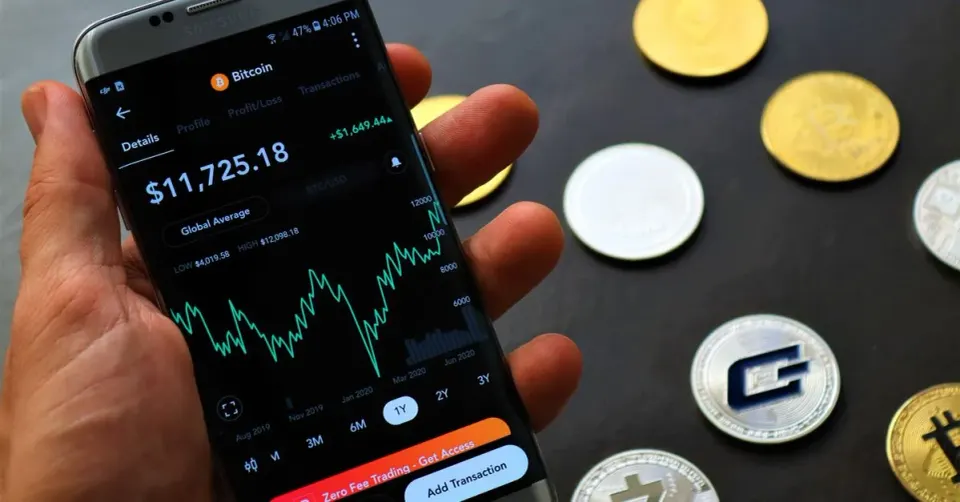
In the digital asset space, Bitcoin has seen a slight correction, slipping under the $77,000 mark to trade at $77,143. This cooling-off period comes after a massive rally that has significantly boosted the economics of Bitcoin mining. For Iranian miners, who operate in a high-risk, high-reward environment often subject to sudden regulatory shifts or power grid restrictions, the $77k level remains a critical support zone. As the global economy braces for a prolonged trade conflict between the US and its northern neighbor, the crypto market is acting as a barometer for risk appetite. If the trade war deepens, we may see a further rotation out of speculative assets and back into the dollar, a move that would only exacerbate the liquidity crunch currently being felt in Tehran.
Frequently Asked Questions
Why is the 200,000 Toman mark for USD significant?
What are the key changes in the 'anti-infiltration' bill?
How does the US-Canada trade war affect the Iranian economy?
Geopolitical Risk and Currency Devaluation
Geopolitical risk, encompassing political instability, international conflicts, and national security threats, often appears to be a non-economic factor. However, these risks profoundly impact a nation's economy, with one of the most visible consequences being the devaluation of its currency. This occurs because such risks erode confidence among both international investors and domestic citizens, leading to a scramble for safer assets and a flight from the local currency.
The mechanism behind this phenomenon is straightforward. When a country faces heightened geopolitical tensions or internal security threats, the perceived risk of investing or even holding assets within that country increases dramatically. Foreign investors become hesitant to commit capital, fearing potential sanctions, asset freezes, or instability that could jeopardize their returns. Simultaneously, domestic actors, worried about the future stability and purchasing power of their own currency, often convert their savings into more stable foreign currencies (like the US dollar), gold, or other tangible assets. This mass conversion and capital flight reduce the demand for the local currency, causing its value to plummet against more stable global currencies.
In contexts like Iran, where nuclear programs lead to international scrutiny and claims of sabotage necessitate tightened security laws, the perceived risk premium for holding the national currency escalates significantly. The headline's mention of "Toman Nears 200k Amid Nuclear Sabotage Claims" directly illustrates this interplay. Heightened national security concerns, whether from external threats or internal instability, signal an uncertain future, which directly translates into a loss of confidence in the national economy and, consequently, a rapid devaluation of the currency. The "Emami coin price hike" mentioned in the keywords further underscores this, as citizens seek refuge in alternative stores of value.
This cycle can be self-reinforcing. Currency devaluation fuels inflation, making imported goods more expensive and eroding the purchasing power of ordinary citizens. This economic hardship can, in turn, exacerbate social discontent and political instability, creating a vicious feedback loop where geopolitical tensions and economic woes continually feed into each other, making recovery increasingly challenging.
Topics
Related Articles