Toman Teeters at 200k Threshold as National Pride Meets Market Panic in Tehran
تومان در آستانه مرز ۲۰۰ هزار؛ تلاقی افتخار ملی و هراس بازار در تهران
As Abolfazl Mohammadnejad secures world gold in wrestling, Iran's domestic markets face a different pressure with the USD hitting 199,400. Meanwhile, high-stakes meetings in Washington and a failed $120 million mining project for Tether signal a shifting global landscape.
At time of publishing
USD
199,400
Toman
Gold 18K
21.69M
Toman / gram
Bitcoin
$77,314
US Dollar
Tether
197,695
Toman
National Glory Amidst Economic Turbulence
In a moment of rare national celebration, Abolfazl Mohammadnejad captured the gold medal in the 125kg freestyle category at the 2026 Junior World Wrestling Championships in Bratislava, Slovakia. The victory, which concluded late Sunday, serves as a testament to Iran's enduring dominance in heavy-weight wrestling. However, for many Iranians watching from home, the glitter of the gold medal is contrasted sharply by the darkening economic horizon. While sports provide a brief psychological respite, the structural issues of the economy continue to weigh heavily on the public's daily life.
This sporting achievement comes at a time when the Iranian Toman is experiencing significant volatility. Historically, the government has used international sporting successes to bolster national morale during times of crisis, yet the current market data suggests that even a world championship cannot mask the underlying financial strain. The disconnect between international prestige and domestic purchasing power has never been more apparent as citizens celebrate the athlete's individual triumph while simultaneously checking the latest currency rates with visible anxiety.
The Toman’s Charge Toward the 200k Barrier
The Iranian currency market is currently witnessing a historic shift as the US Dollar moved from 195,400 to 199,400 (+2.0%) within the last 24 hours. This rapid depreciation has pushed the Toman to the very edge of the psychological 200,000 mark, a level that many analysts believe could trigger a new wave of retail panic. The physical gold market is reacting even more aggressively; the Emami coin surged from 209,000,000 to 218,000,000 (+4.3%), far outpacing the currency's decline. This suggests that investors are no longer just hedging against the dollar, but are actively fleeing into hard assets to preserve what remains of their savings.
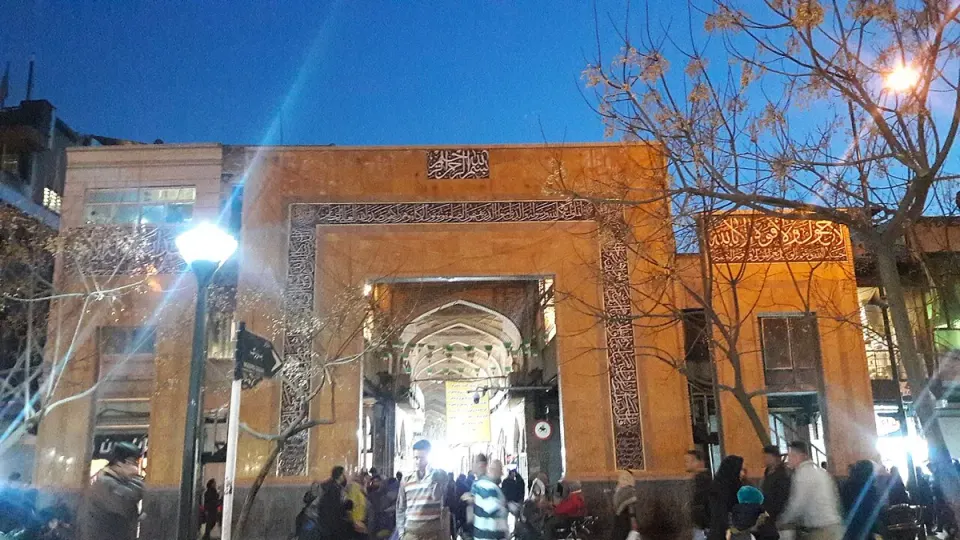
This flight to gold is further evidenced by the price of 18k gold per gram, which rose from 21,429,890 to 21,688,443 (+1.2%). In Tehran’s unofficial markets, the sentiment is one of extreme caution. When gold coins appreciate at double the rate of the dollar, it indicates a breakdown in trust toward liquid cash. For the average consumer, this means that the price of imported goods and basic necessities is likely to see another sharp adjustment in the coming days, regardless of any official attempts to stabilize the rate through state intervention or rhetoric.
Washington’s Backroom Deals and Public Spectacles
While Tehran grapples with its currency, Washington is projecting a duality of high-speed entertainment and secretive political maneuvering. President Trump recently kicked off a high-speed IndyCar race through the streets of the capital, a move designed to celebrate the nation's 250th anniversary. However, the real story lies in the reported meeting between House Democratic leader Hakeem Jeffries and Jared Kushner. The meeting has sent shockwaves through the Democratic party, with critics questioning why the opposition leadership is engaging with a key figure from the Trump administration just months before critical midterms.
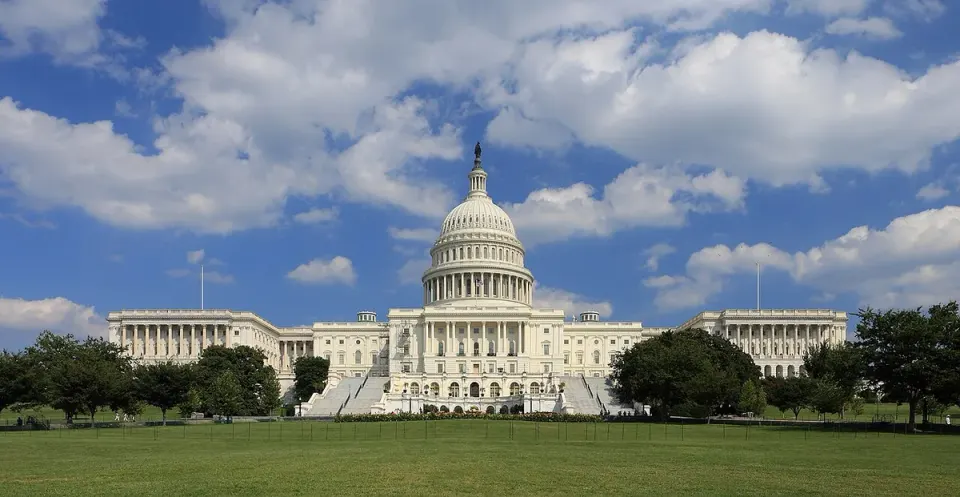
This meeting is particularly significant for Iran because it hints at a potential bipartisan shift in foreign policy pragmatism. If the Democratic leadership is opening channels with the Kushner circle, it could signal a move toward more transactional diplomacy in the Middle East, potentially bypassing traditional State Department protocols. For Tehran, this means the risk of a more unified, albeit unpredictable, American stance on sanctions and regional influence. The spectacle of the IndyCar race serves as a vivid backdrop to a Washington that is increasingly comfortable with blending populism, business, and back-channel politics.
The Fragility of the Crypto Infrastructure
In the digital asset space, the limits of corporate expansion were laid bare as Tether’s $120 million Bitcoin mining project in Uruguay reportedly collapsed. The failure stems from a power contract dispute with the local utility provider, UTE, which cut power to the sites after Tether representatives failed to sign a revised agreement. This incident highlights a critical vulnerability in the crypto ecosystem: no matter how much digital liquidity a company possesses, they are still beholden to physical infrastructure and local bureaucracy. Tether, the issuer of the world's largest stablecoin, now faces questions about its ability to diversify its reserves into tangible operations.
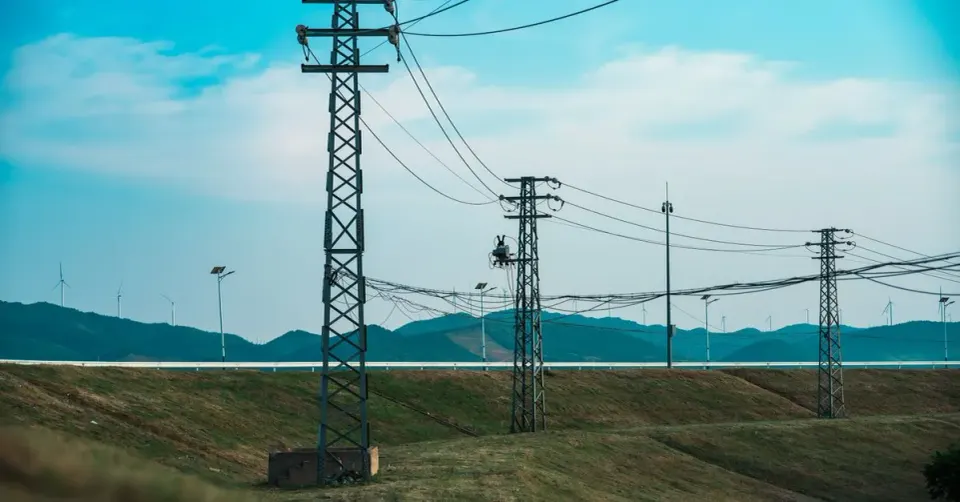
This collapse serves as a cautionary tale for the broader market. As Bitcoin trades at 77,314 USD, the reliance on stable energy contracts and political stability is becoming the new frontier for institutional miners. For Iranian crypto users, who often rely on USDT (currently at 197,695 Toman) as a gateway to the global economy, any sign of operational friction within Tether is a cause for concern. While the stablecoin remains pegged, the failure of its physical mining ambitions reminds investors that even the giants of the industry are not immune to the complexities of real-world energy politics and contract law.
Frequently Asked Questions
Why did the Emami gold coin rise faster than the dollar today?
What does the Jeffries-Kushner meeting mean for US-Iran sanctions?
Why did Tether's $120 million mining project in Uruguay fail?
Understanding Parallel Exchange Rates and Currency Devaluation
When a country’s official exchange rate diverges sharply from the rate you see on the street, a parallel or black‑market rate emerges. In Iran, the government fixes the official Toman‑to‑USD rate, but scarcity of foreign dollars, sanctions, and inflation drive a much higher market rate that traders quote on the bazaar. This dual‑price system creates distortions: importers must decide whether to use costly black‑market dollars, while exporters may be paid in a currency that rapidly loses purchasing power.
Currency devaluation is the deliberate downward adjustment of an official rate, often intended to restore competitiveness or to raise government revenues from foreign‑currency inflows. However, if the devaluation is not accompanied by credible fiscal and monetary reforms, the parallel market can widen even further. In August 2026, the Toman’s market price flirting with the 200,000‑per‑dollar threshold illustrates how expectations of continued devaluation fuel speculative buying of hard assets like gold, pushing prices such as the “Abolfazl Mohammadnejad” gold contracts higher.
The interaction between devaluation and the black market also reshapes everyday life. Salaried workers see their real wages erode, prompting a rush to convert earnings into dollars or gold, while businesses face volatile input costs. Policymakers may attempt to curb the gap by tightening capital controls or by allowing a more flexible exchange regime, but such moves can be politically sensitive, especially when national pride is tied to a “strong” domestic currency.
Understanding this mechanism helps explain why headlines about the Toman’s 200k threshold matter beyond mere numbers. It signals pressure on Iran’s monetary policy, the health of its banking sector, and the broader geopolitical environment that restricts access to foreign exchange. For investors and observers, monitoring the spread between official and parallel rates offers a real‑time gauge of economic stress and the likelihood of further policy shifts.
Topics
Related Articles