
Congo’s Ebola Surge Rattles Global Health as Japan’s Yield Spike Shadows Bitcoin’s $77k Consolidation
هشدار جهانی نسبت به طغیان ابولا در کنگو و سایه سنگین نرخ بهره ژاپن بر بیتکوین ۷۷ هزار دلاری
A record-breaking Ebola outbreak in the Congo enters its 100th day with unprecedented spread, while Japan's borrowing costs hit 30-year highs, threatening the liquidity of the global crypto market.
At time of publishing
USD
199,200
Toman
Gold 18K
21.69M
Toman / gram
Bitcoin
$77,337
US Dollar
Tether
197,983
Toman
Congo’s Ebola Outbreak Hits 100-Day Milestone Amid Rapid Spread
The Democratic Republic of Congo is currently grappling with an Ebola outbreak that has officially crossed the 100-day mark, and health officials are sounding the alarm. According to recent reports, this specific surge is spreading faster than any previously recorded outbreak in the region’s history. The speed of transmission is attributed to a combination of highly mobile populations and a lack of immediate medical infrastructure in the newly affected zones. International health organizations are warning that without a massive influx of aid and containment resources, the virus could breach national borders, potentially destabilizing a region already fraught with conflict.
For global markets, the situation in the Congo is more than a humanitarian crisis; it is a significant geopolitical risk factor. The DRC is a critical hub for the world’s mineral supply, particularly cobalt and copper, which are essential for the global transition to green energy and EV production. Any disruption in mining operations or logistics due to health-related lockdowns could send shockwaves through the tech and automotive sectors. Investors are closely monitoring the World Health Organization’s next steps, as a formal escalation in the global risk level could dampen the current appetite for risk assets across the board.

Japan’s Yield Surge and the Shadow Over Bitcoin’s Bull Run
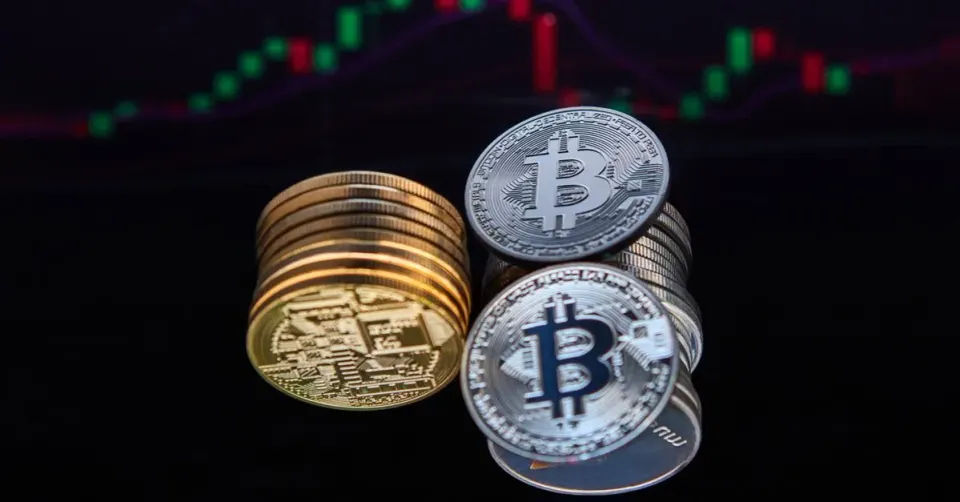
In the financial world, Japan’s borrowing costs have reached levels not seen since 1996, creating a ripple effect that is being felt as far away as the digital asset markets in Tehran and New York. The rise in Japanese government bond yields signals a definitive end to the era of ultra-cheap money that fueled the global "carry trade." As the Yen strengthens and borrowing becomes more expensive, institutional investors who previously used cheap Yen to fund high-risk investments are being forced to deleverage. This shift is putting immense pressure on Bitcoin, which is currently coiling in a bull flag pattern around the $77,337 mark.
While Bitcoin has shown remarkable resilience, the macro environment is becoming increasingly complex. In the last 24 hours, the Iranian market has seen a sharp divergence; while Bitcoin remains relatively stable in USD terms, the local price of the US Dollar in Tehran has risen from 195,400 to 199,200 Toman (+1.9%). This domestic devaluation makes international assets more expensive for local buyers, even if the global price remains flat. The interplay between Japanese monetary policy and the US Dollar’s strength will likely determine whether Bitcoin can break toward new all-time highs or if it will be dragged down by the broader unwinding of global liquidity.
The GTA VI Delay: A Multibillion-Dollar Shift in the Entertainment Calendar
Rockstar Games has confirmed that Grand Theft Auto VI (GTA VI), perhaps the most anticipated piece of media in history, has faced further internal delays, pushing its release window to November 2026. This move is not merely a disappointment for gamers; it represents a multi-billion dollar shift in projected revenue for the entertainment industry. Rockstar’s parent company, Take-Two Interactive, is prioritizing the technical polish of the title to avoid the disastrous launches seen by other major studios in recent years. However, the delay means that the hardware sales cycle for consoles like the PlayStation 5 Pro may stall as consumers wait for the "killer app" that justifies a mid-generation upgrade.
From an economic perspective, the delay of GTA VI affects everything from retail marketing budgets to the stock performance of specialized tech companies. The gaming industry has become a major driver of consumer spending, and a vacuum in late 2025 and early 2026 could lead to a broader slowdown in the digital goods sector. For investors, this serves as a reminder of the high stakes involved in "prestige" tech development. While the long-term potential for GTA VI to generate billions in microtransactions remains intact, the short-term opportunity cost of this delay is substantial, forcing analysts to recalibrate their forecasts for the fiscal year 2026.
Healthcare Paradox: Rising Costs Amid Political Stalemate
In the United States, the debate over the Affordable Care Act (ACA) and the cost of health insurance has reached a new boiling point. Recent reports highlight a growing frustration among middle-class families who find themselves ineligible for subsidies despite rising premiums. The paradox of the current system is that individuals with significant assets but low taxable income often qualify for heavy subsidies, while the working class and those relying on COBRA after layoffs are being hit with monthly costs exceeding $500 to $1,000. This disparity is becoming a central theme in the lead-up to the US midterms, as politicians struggle to offer a solution that balances fiscal responsibility with universal access.
This domestic policy struggle has international implications as it reflects the broader inflationary pressures facing the world’s largest economy. As healthcare costs eat into disposable income, consumer sentiment remains fragile. In South Carolina, Republican Senator Tim Scott has recently had to defend the national security credentials of Darline Graham, highlighting how domestic political survival is often tied to a candidate's perceived ability to handle both local economic grievances and global threats like China. For the global observer, these political skirmishes are a barometer for future US trade and sanction policies, which directly impact the volatility of the Toman and the availability of foreign goods in markets like Iran.

Frequently Asked Questions
Why does an Ebola outbreak in Congo affect global tech markets?
How do rising Japanese interest rates impact Bitcoin's price?
What is the economic significance of the GTA VI delay?
Understanding Cobalt Supply‑Chain Risks
Cobalt is a silvery‑gray metal that has become indispensable in modern technology. It is a key component of lithium‑ion batteries, which power electric vehicles, smartphones, and the high‑performance chips used in cryptocurrency mining rigs. More than 70% of the world’s mined cobalt comes from the Democratic Republic of Congo (DRC), a country that also grapples with political instability, armed conflict, and weak regulatory oversight.
Because the global supply is so concentrated, any disruption in the DRC—whether from labor strikes, export bans, or security crises—can cause sharp price spikes and force manufacturers to scramble for alternative sources. The risk is not only economic; mining in the DRC has been linked to child labor, unsafe working conditions, and financing of armed groups, raising serious human‑rights and ESG (environmental, social, governance) concerns for investors and multinational corporations.
The ripple effects reach far beyond the mining pits. Automakers aiming to meet stricter emissions standards, data‑center operators expanding Bitcoin mining capacity, and even governments planning renewable‑energy rollouts all depend on a steady flow of cobalt. When supply tightens, battery costs rise, which can slow the adoption of electric vehicles and increase the operating costs of Bitcoin mining farms, potentially influencing the price dynamics of the cryptocurrency itself.
Industry players and policymakers are responding with a mix of mitigation strategies. Companies are investing in cobalt‑free battery chemistries, expanding recycling programs to recover cobalt from spent batteries, and seeking supplies from other countries such as Australia and Canada. At the same time, initiatives like the Responsible Minerals Initiative aim to certify ethically sourced cobalt, while governments consider strategic stockpiles and trade policies to reduce vulnerability.
Looking ahead, the cobalt supply chain will remain a focal point of geopolitical competition and sustainability debate. The ability to diversify sources, improve transparency, and develop alternatives will shape the pace of the green transition and the stability of markets that rely on this critical mineral.
Topics
Related Articles