Toman Breaches 200,000 Milestone as Gold Rallies; UK Signals Major Missile Tech Shift for Ukraine
عبور دلار از مرز ۲۰۰ هزار تومان و جهش قیمت طلا؛ چرخش تسلیحاتی انگلیس به نفع اوکراین
The Iranian Toman has officially crossed the 202,000 mark against the US Dollar, sparking a 3.3% surge in gold prices. Meanwhile, the UK moves to declassify advanced missile technology for Ukraine, and SpaceX emerges as a rare consensus pick for global fund managers.
At time of publishing
USD
202,600
Toman
Gold 18K
22.40M
Toman / gram
Bitcoin
$76,860
US Dollar
Tether
201,550
Toman
Toman Breaches the 200,000 Barrier Amid Global Volatility
The Iranian currency market has reached a significant and sobering milestone this Monday, with the US Dollar officially breaching the 200,000 Toman mark. In the last 24 hours, the USD rose from 199,200 to 202,600 Toman, representing a 1.7% depreciation of the national currency. This move is not isolated; it has triggered a rapid repricing of hard assets across the domestic market. Gold 18k per gram jumped from 21,688,443 to 22,404,081 Toman (+3.3%), while the Emami coin rose from 218,000,000 to 224,000,000 Toman (+2.8%). The breach of this psychological level suggests a shift in market sentiment, driven by fears of an impending trade war between the US and Canada and persistent regional instability.
For the average Iranian household, this price action translates into immediate inflationary pressure. When the dollar climbs past such major milestones, it often triggers a "panic buy" response in the gold and coin markets as citizens scramble to preserve their purchasing power. The fact that gold outperformed the dollar's percentage gain today indicates that local investors are pricing in not just currency weakness, but also a spike in global safe-haven demand. With the global ounce of gold sitting at $4,633.20, the combined effect of a weaker Toman and expensive global gold is creating a perfect storm for domestic bullion prices.

UK Escalates Ukraine Support with Missile Tech Declassification
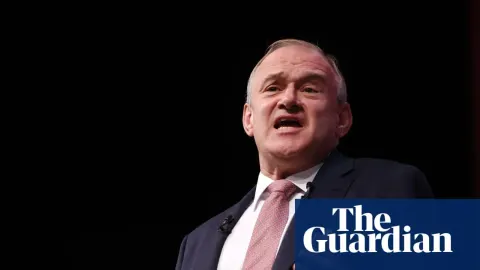
In a significant geopolitical development, the United Kingdom is moving to deepen its military commitment to Ukraine. During a visit to Kyiv, British officials, including Manchester Mayor Andy Burnham, signaled a shift that could allow the European defense giant MBDA to declassify information regarding UK-made components in the Storm Shadow/Scalp long-range missiles. This move is intended to help Ukraine eventually manufacture its own versions of these sophisticated weapons. While such a project would take years to bear fruit, the announcement serves as a clear message to Moscow that Western technical support is shifting from mere supply to industrial partnership.
The implications of this move are twofold. First, it risks a sharp escalation in tensions between London and Moscow at a time when the Kremlin has warned that any deep-strike capabilities provided to Ukraine are a red line. Second, it highlights a growing trend among European powers to "indigenize" Ukraine’s defense industry, ensuring long-term resistance regardless of future shifts in US political leadership. For global markets, this suggests that the risk premium associated with the war in Ukraine will remain high, keeping energy and commodity prices volatile for the foreseeable future.

SpaceX Becomes the Rare Consensus Bet for Hedge Funds
SpaceX has managed to achieve something rare in the world of high finance: it has become a favorite for both short-term hedge funds and long-term mutual funds. Recent data suggests that SpaceX is one of only six stocks where both types of institutional investors are currently overweight. This is particularly striking given the company’s valuation, which sits at approximately 93 times its next year’s estimated earnings. Typically, hedge funds avoid such high-multiple stocks due to their volatility, while mutual funds are often more conservative. However, the dominance of SpaceX in the satellite launch and Starlink communications sectors has made it an unavoidable asset for those seeking exposure to the future of the space economy.
This institutional crowding into SpaceX reflects a broader market belief that the company’s competitive moat is currently insurmountable. By controlling the cost of access to space, Elon Musk’s firm is effectively acting as the gatekeeper for an entire new industrial sector. For retail investors and those following the tech markets, this signal from "smart money" suggests that despite the high entry price and the risks associated with private equity valuations, the growth trajectory of the space sector is being viewed as a generational opportunity, similar to the early days of the commercial internet.
Iran Claims Major Gas Discovery Amid Infrastructure Push
Iranian state media is reporting a massive new natural gas discovery in the southern province of Fars. According to Oil Minister Mohsen Paknejad, the field holds an estimated 7.5 trillion cubic feet of gas, with about 73% of it being recoverable. The government claims this discovery is equivalent to one full block of the South Pars field and could provide a 15-year supply of gas. This announcement comes precisely as the country enters "Government Week," a period used by the administration to showcase its achievements. Simultaneously, officials in Chaharmahal and Bakhtiari Province have announced the inauguration of 787 construction projects worth 50 trillion rials.
However, independent analysts often view such announcements with a degree of skepticism. While Iran holds the world’s second-largest gas reserves, it has consistently struggled with domestic gas shortages during peak winter months due to a lack of investment in refining and distribution infrastructure. The announcement of hundreds of new projects during Government Week is a standard bureaucratic ritual, but whether these projects will actually improve the quality of life or the economic output of the provinces remains to be seen. For the Iranian public, the focus remains on whether these energy discoveries will eventually translate into lower utility costs or a more stable economy, rather than just impressive figures on a state news broadcast.

The Alan Jones Trial and the 'Boys' Club' Culture
The fourth week of the Alan Jones trial in Sydney has opened with a sharp focus on media culture and accountability. Australian Senator Sarah Hanson-Young has used the high-profile case to call for a dismantling of the "boys' club" culture that she argues has protected powerful figures from scrutiny for decades. As witnesses prepare to give evidence at the Downing Centre local court, the case has transcended a simple legal battle, becoming a focal point for a broader societal discussion on power dynamics in the workplace and the media.
This story matters beyond the borders of Australia because it mirrors global movements toward corporate and media transparency. In an era where institutional trust is at an all-time low, the public airing of allegations against a once-untouchable media titan serves as a reminder that the era of protected elites is facing a reckoning. For readers in various jurisdictions, the trial is a case study in how legal systems handle historical allegations and whether modern judicial processes can effectively address cultural issues that were long ignored by the mainstream establishment.
Frequently Asked Questions
Why did the US Dollar breach the 200,000 Toman milestone today?
What does the UK's declassification of missile technology mean for the Ukraine war?
Is the new gas discovery in Fars province enough to solve Iran's energy crisis?
Understanding Currency Devaluation and Gold's Role as a Safe Haven
When a headline declares a currency like the Toman "breaches 200,000 milestone against the USD," it signals a significant event: currency devaluation. This means that the local currency has lost a substantial portion of its purchasing power relative to a stronger, more stable currency like the US Dollar. In essence, it now takes many more units of the local currency (Toman) to buy the same amount of the foreign currency (USD), or by extension, to purchase imported goods and services. This erosion of value is often a symptom of underlying economic challenges such as high inflation, large fiscal deficits, geopolitical instability, or international sanctions.
One of the most immediate and visible consequences of severe currency devaluation is a surge in the price of tangible assets, particularly gold. Throughout history, gold has been revered as a reliable "store of value" and a "safe haven" asset. Unlike fiat currencies, which can be printed in unlimited quantities by central banks, gold's supply is finite and its value is not directly tied to the economic health or political stability of any single nation. As a result, when people lose faith in their national currency's ability to retain value, they often convert their savings into gold to protect their wealth from inflation and economic uncertainty.
The dynamic between a weakening currency and rallying gold prices is a classic economic phenomenon. As the Toman's value diminishes, the cost of acquiring international assets, including gold which is typically priced in US dollars, naturally rises when converted back to the local currency. For citizens, this means their savings held in the local currency rapidly lose their buying power, while those who hold assets like gold may see the nominal value of their holdings increase in local currency terms, offering a degree of protection against the depreciating currency.
This trend has profound implications for ordinary citizens. It makes imported goods, from food and medicine to technology, significantly more expensive, fueling domestic inflation. It also erodes the value of wages and savings, diminishing living standards. Understanding currency devaluation and the flight to safe-haven assets like gold is crucial for comprehending the economic realities faced by populations in countries experiencing significant economic instability and currency crises.
Topics
Related Articles