
Six Months of War: The $1,100 Taxpayer Burden and the Return of 18th-Century Naval Laws
شش ماه پس از آغاز جنگ؛ هزینه ۱۱۰۰ دلاری برای هر آمریکایی و بازگشت قوانین دریایی قرن ۱۸
As the US-Iran conflict reaches six months, analysts reveal a staggering $1,100 cost per US taxpayer while Washington considers using 18th-century 'Prize Laws' to seize oil. The Toman has surged to 206,300, reflecting deep market anxiety over a prolonged military confrontation.
At time of publishing
USD
206,300
Toman
Gold 18K
21.85M
Toman / gram
Bitcoin
$77,935
US Dollar
Tether
204,228
Toman
The Six-Month Milestone: A Costly Stalemate
As the military confrontation between the United States and the Islamic Republic of Iran crosses the six-month mark, the financial and political toll is becoming increasingly difficult to ignore. According to recent analysis by France 24, the conflict has already cost approximately $1,100 for every single US taxpayer. This staggering figure highlights the immense resource drain of a modern war that shows no signs of a quick resolution. For the American public, what was initially framed as a targeted series of strikes has evolved into a multi-billion dollar engagement that is beginning to weigh heavily on domestic economic sentiment.
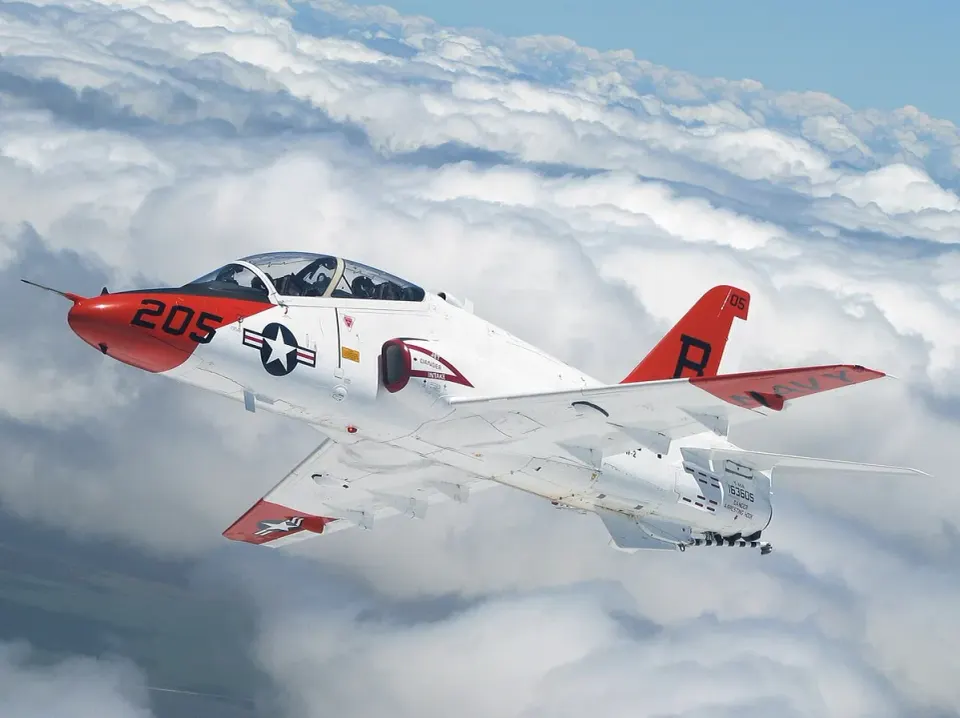
Within Iran, the conflict has not led to the internal collapse that some in the Trump administration had predicted. Instead, the ruling theocracy has consolidated power around a hard core of military generals and clerics who have been entrenched in the system for decades. This leadership core appears prepared for a long-term war of attrition, focused on maintaining internal security and suppressing any signs of domestic unrest. The gap between Washington’s hopes for "regime change" and the reality of a hardened, defensive military posture in Tehran suggests that both nations are locked in a dangerous and expensive status quo.
Resurrecting 18th-Century 'Prize Law' to Seize Oil
In a move that underscores the desperation and legal creativity of the current blockade, the US Justice Department and the Pentagon are reportedly exploring the use of "Prize Law," a maritime legal framework that has largely been dormant since the 1800s. Historically, prize law allowed courts to determine whether ships and cargo captured during armed conflict could legally become the property of the seizing nation. By invoking this archaic system, the US aims to not only stop Iranian oil shipments but to legally seize and sell the crude, effectively turning the blockade into a self-funding mechanism for the war effort.
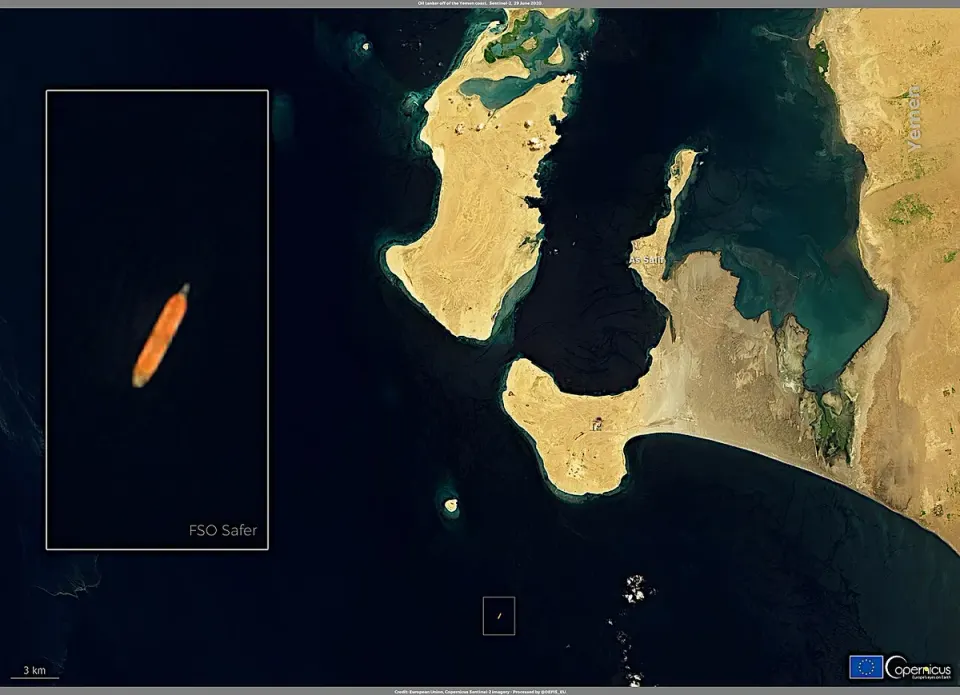
This strategy represents a significant escalation in the economic war against Tehran. Unlike standard sanctions, which penalize buyers or financial intermediaries, the application of prize law would allow the US to directly liquidate Iranian assets captured at sea. While this may provide a new revenue stream for the US Treasury, it also increases the risk of direct naval skirmishes as Iran’s Revolutionary Guard (IRGC) continues to attempt to bypass the blockade. The return to 18th-century legal tactics highlights the lack of modern diplomatic or economic tools capable of ending the current impasse.
Market Turmoil: Toman Breaches 206,000 Amid War Fears
The Iranian Toman has continued its sharp decline as the reality of a prolonged war sinks into the public consciousness. In the last 24 hours, the USD/IRR rate moved from 201,500 to 206,300, marking a significant 2.4% increase. This rapid devaluation is a direct reflection of the market's lack of confidence in the government's ability to manage the economy under the weight of a total blockade. For the average Iranian citizen, this translates to an immediate loss of purchasing power and a scramble to convert remaining savings into hard assets like gold or foreign currency.

The gold market has mirrored this volatility, with 18k gold rising from 21,561,475 to 21,845,422 Toman per gram, a 1.3% jump. The Emami coin also saw a 0.9% increase, moving from 216,000,000 to 218,000,000 Toman. These price movements suggest that the "war premium" is becoming a permanent fixture of the Iranian economy. As long as the threat of oil seizures under prize law looms and the US military budget for the conflict continues to climb, the pressure on the Toman is unlikely to subside, leaving the Iranian middle class caught between rising inflation and a stagnant military situation.
Himalayan Disaster: 3,000 Missing in Nepal-Tibet Floods
While geopolitics dominates the headlines, a humanitarian catastrophe of immense proportions is unfolding in the Himalayas. Rescue efforts in Nepal have entered their fourth day following devastating floods that have left nearly 3,000 people missing. The scale of the destruction is described as "immense," with entire villages swept away and critical infrastructure destroyed. The Nepali government has appealed for international technical support, specifically requesting expert tunnel rescue teams from India and China to reach those trapped in remote border regions.

The economic impact on the region is expected to be staggering, with early estimates for reconstruction running into the billions of dollars. For a nation already struggling with economic vulnerability, this disaster represents a generational setback. As the search for the missing continues, the focus is shifting toward the identification of the deceased and the prevention of disease in temporary camps. This tragedy serves as a grim reminder that while the world’s superpowers are focused on maritime laws and military costs, natural disasters continue to inflict massive tolls on the world's most vulnerable populations.
Frequently Asked Questions
What is the 'Prize Law' the US is considering using against Iranian oil?
Why has the Toman devalued by 2.4% in just 24 hours?
How has the Iranian leadership responded to six months of military conflict?
Understanding Prize Law: An Ancient Naval Concept with Modern Relevance
Prize Law is an ancient, yet remarkably enduring, aspect of international maritime law that permits a belligerent nation to capture enemy vessels and their cargo during wartime. Rooted in naval traditions dating back centuries, including the "18th-century naval laws" referenced in the headline, it essentially legalizes the seizure of enemy property at sea. This legal framework distinguishes lawful acts of capture from piracy, by requiring that such seizures occur during a declared state of war or armed conflict and be conducted by authorized state forces.
The process of "taking prize" typically begins with the capture of an enemy ship, often suspected of carrying contraband or being engaged in hostile activities. The captured vessel and its contents are then brought before a specialized judicial body, known as a prize court. This court adjudicates whether the capture was lawful under the prevailing international and domestic laws of war. If deemed legitimate, the ship and its cargo become "prize" and are condemned, meaning ownership transfers to the capturing state, often with proceeds distributed among the captors.
While seemingly a relic of a bygone era, Prize Law retains significant relevance in modern naval operations, particularly in scenarios involving maritime blockades or conflicts affecting global trade routes, such as those in the Persian Gulf. In an age where economic warfare and sanctions play a crucial role, the potential application of prize law to seize oil tankers or other valuable cargo could have profound economic and political ramifications. It presents a mechanism for states to exert pressure, disrupt enemy supply lines, and claim assets, with far-reaching consequences for international shipping, insurance markets, and global commodity prices.
Understanding Prize Law is crucial for grasping the potential escalation and economic fallout of maritime conflicts. It highlights how historical legal frameworks can resurface to shape contemporary geopolitical strategies, turning commercial vessels into potential targets and their valuable cargo into assets subject to capture and legal dispute. The implications extend beyond the immediate belligerents, affecting neutral shipping and the stability of international trade, underscoring the delicate balance between national security interests and the freedom of navigation.