
Iran Finalizes Khoy Trade Zone with Turkey as Iceland Rejects EU Accession in Landmark Vote
گام نهایی ایران برای منطقه آزاد مشترک با ترکیه؛ پاسخ منفی ایسلند به اتحادیه اروپا در رفراندوم تاریخی
Tehran has completed legal steps for a joint free trade zone in Khoy, shifting the ball to Ankara's court. Meanwhile, Iceland appears to have rejected EU membership talks in a pivotal referendum, and maritime tensions resurface as Iran links the Hormuz-Oman transit deal to US sanctions relief.
At time of publishing
USD
206,500
Toman
Gold 18K
21.83M
Toman / gram
Bitcoin
$78,136
US Dollar
Tether
205,600
Toman
Iran Clears Legal Hurdles for Joint Trade Zone with Turkey
Iranian state media reported on Sunday that the government has finalized all necessary legal and administrative frameworks to establish a joint free trade zone with Turkey in the Khoy region of northwestern Iran. According to officials, the project is now at a standstill awaiting a reciprocal response from the Turkish government to advance into the implementation phase. This move is seen as a strategic attempt by Tehran to deepen regional economic ties and create a dedicated corridor for cross-border commerce that could potentially circumvent some of the logistical hurdles imposed by international sanctions. For the local economy in West Azerbaijan province, this represents a significant promise of infrastructure investment and job creation, though the reality of such zones often depends more on geopolitical stability than administrative paperwork.
However, the success of the Khoy trade zone remains heavily dependent on Ankara's appetite for formalizing such a deep economic partnership amidst shifting regional alliances. While Turkey remains a key trading partner for Iran, the complexities of customs regulations and the pressure of secondary sanctions from the West often slow down these large-scale bilateral projects. If realized, the zone would allow for more streamlined movement of goods and capital, potentially stabilizing local currency demand by facilitating more efficient barter or local-currency trade. Investors are watching closely to see if the Turkish side will provide the necessary green light before the end of the fiscal year.

Iceland Rejects EU Membership in Pivotal Referendum
In a move that has sent ripples through Brussels, preliminary results from Iceland’s national referendum indicate that the nation has rejected the government’s proposal to hold accession talks with the European Union. With nearly all votes counted, the "No" camp holds a steady lead at 52.5% against 47.5% for those in favor. This outcome suggests that the Icelandic electorate remains deeply protective of its national sovereignty, particularly regarding its lucrative fishing rights and independent monetary policy. The public broadcaster RUV reported that the trend towards rejection was consistent across most voting districts, reflecting a broader skepticism toward the bureaucratic constraints of the EU.
This rejection is a significant setback for the European Union's expansion efforts in the North Atlantic. For Iceland, the decision reinforces its current status within the European Economic Area (EEA) without the perceived burden of full political integration. Critics of the accession had argued that joining the bloc would force the country to share its rich maritime resources with European fleets, a non-starter for the island nation's primary industry. For global markets, this vote signals a continued trend of sovereign caution, where even highly developed and stable economies are choosing autonomy over the perceived security of larger political unions.
Maritime Tensions: The Hormuz-Oman Transit Deal on Hold
Kazem Gharibabadi, the Iranian Deputy Foreign Minister for Legal and International Affairs, stated on Sunday that the implementation of a transit understanding between Iran and Oman regarding the Strait of Hormuz is now contingent on the United States. Tehran claims that while a framework for maritime transit and security has been discussed with Muscat, the actual execution of these arrangements is being blocked by Washington’s failure to fulfill its previous commitments. This rhetoric effectively links regional maritime cooperation to the broader standoff over sanctions and the nuclear file, signaling that Iran continues to use its strategic position over the world's most vital oil artery as a primary diplomatic lever.
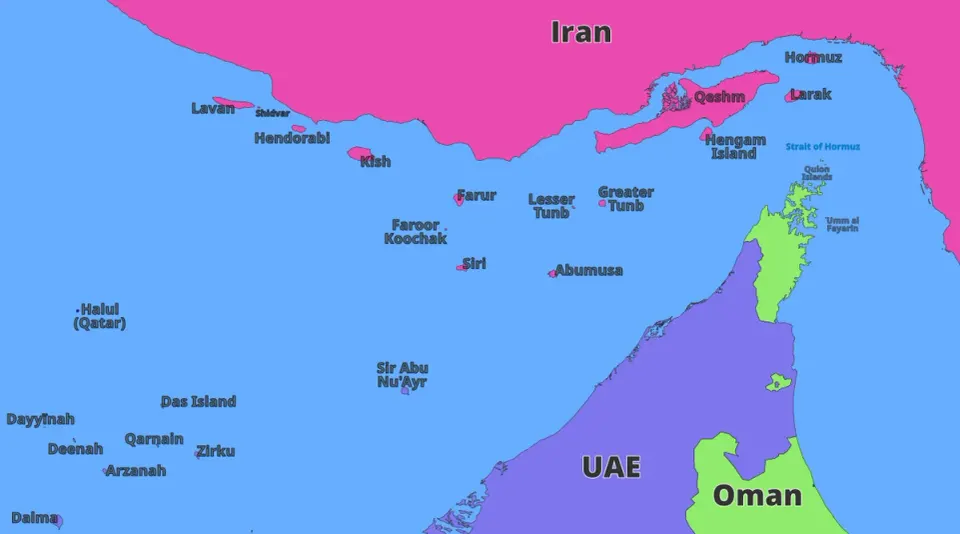
The implications for global energy markets are notable, even if the immediate impact on oil prices remains muted. By tying the Oman transit deal to US behavior, Tehran is reminding the international community that the security of the Strait of Hormuz is not a standalone issue but part of a larger geopolitical puzzle. For shipping companies and insurers, this adds another layer of uncertainty to a region already fraught with risk. In the domestic market, the USD/IRR exchange rate remained stable today at 206,500 Toman, as traders appear to be pricing in this ongoing diplomatic friction as the 'new normal' rather than a precursor to immediate escalation.
Market Update: Bitcoin Consolidates and Gold Dips Slightly
In the financial markets, Bitcoin has entered a period of consolidation, holding steady around the $78,136 mark as it oscillates between key moving averages. This stability follows a week of volatility, with investors currently weighing the impact of potential regulatory shifts in the US. Simultaneously, the crypto world is dealing with reports from 'Real Trump Coins,' which recently denied launching a digital token called GOLD, blaming 'bad actors' for the confusion. This highlights the ongoing risks of misinformation in the digital asset space, even as institutional adoption of Bitcoin continues to provide a floor for prices.
In the Iranian precious metals market, Gold 18k/gram saw a minor decrease of 0.2%, moving from 21,868,507 to 21,826,954 Toman. Meanwhile, the Emami coin remained unchanged at 218,000,000 Toman. These slight movements reflect a broader wait-and-see approach among domestic investors, who are balancing the effects of a stagnant dollar against the backdrop of fluctuating global gold prices, which currently sit at $4,456.40 per ounce. The lack of significant movement in the USD/IRR rate, which held at 206,500 Toman, suggests that the market is currently lacking a strong catalyst to break out of its narrow trading range.
Frequently Asked Questions
What is the status of the Iran-Turkey free trade zone in Khoy?
Why did Iceland reject joining the European Union?
How does the Hormuz transit deal relate to US sanctions?
Is there a new Trump-backed crypto token called GOLD?
Understanding Free Trade Zones (FTZs)
A Free Trade Zone (FTZ), often interchangeably referred to as a Special Economic Zone (SEZ), is a designated geographic area within a country where goods can be imported, stored, manufactured, and re-exported without being subject to the usual customs duties and tariffs. The primary goal of establishing an FTZ is to stimulate economic growth by attracting foreign direct investment, boosting exports, creating employment opportunities, and facilitating the transfer of technology and expertise. These zones typically offer streamlined bureaucratic procedures, tax incentives, and superior infrastructure to make them attractive to businesses.
The operational mechanism of an FTZ involves a simplified regulatory environment. Companies operating within these zones benefit from reduced or eliminated customs duties on raw materials and components imported for manufacturing or assembly, provided the final products are destined for re-export. If goods are eventually sold into the domestic market, they then become subject to regular customs tariffs. This arrangement allows businesses to lower production costs, enhance their competitiveness in international markets, and manage their supply chains more efficiently, often acting as logistical hubs for distribution.
While the "Khoy Trade Zone" mentioned in the headline refers to a specific instance of such a zone between Iran and Turkey, FTZs are a global phenomenon. They differ from broader "free trade agreements" between entire countries, which eliminate tariffs across the board for all goods traded between signatories. Instead, FTZs are localized areas designed to create a more favorable business environment within a country's borders, acting as engines for regional development and gateways for international commerce. They represent a strategic tool for governments seeking to integrate more deeply into the global economy.