West Bank Raids Escalate Regional Tensions as Fuel Shortages Grip Tehran
تشدید تنشها در کرانه باختری همزمان با بحران سوخت در تهران؛ سایه جنگ بر اقتصاد ایران
Israeli forces have launched massive raids across the West Bank, heightening regional instability as Iran faces domestic pressure from severe fuel shortages and a tightening U.S. blockade. Meanwhile, the former CBI governor defends Tehran's diplomatic strategy amidst the ongoing economic and military squeeze.
At time of publishing
USD
206,300
Toman
Gold 18K
21.82M
Toman / gram
Bitcoin
$78,061
US Dollar
Tether
205,900
Toman
Israeli Raids in West Bank Heighten Regional Anxiety
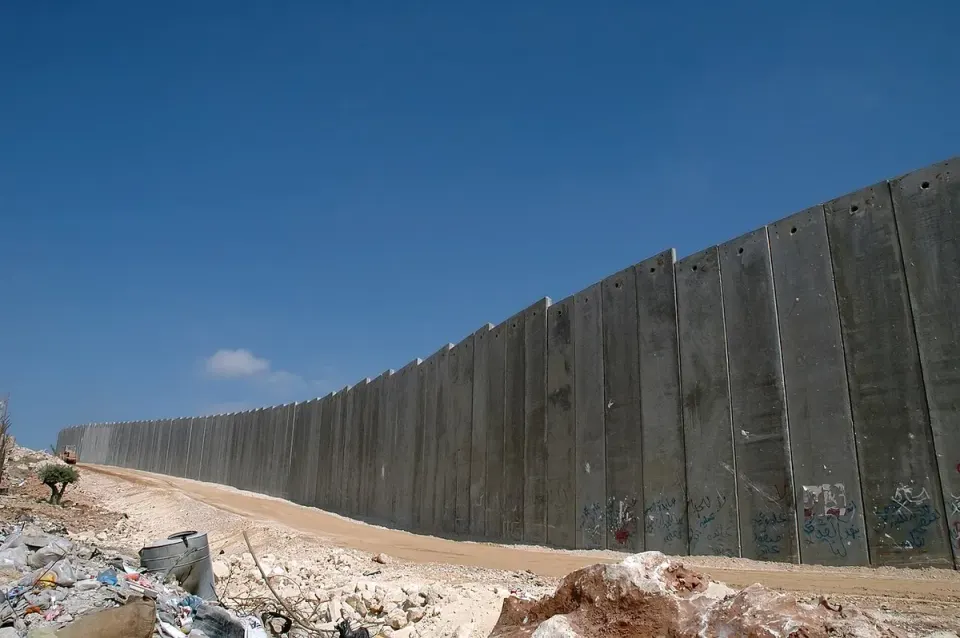
Israeli forces have launched a series of extensive raids across multiple Palestinian cities, villages, and camps in the occupied West Bank, according to reports from IRNA. This escalation comes at a time of heightened regional sensitivity, with observers noting that these maneuvers are part of a broader conflict landscape that increasingly involves direct and indirect confrontations between regional powers. The raids, characterized by significant military presence in civilian areas, have sparked concerns about a major flare-up that could further destabilize the already fragile security environment in the Middle East.
For the Iranian public and markets, these developments are more than just distant geopolitical events. They serve as a constant reminder of the potential for a wider conflict that could impact trade routes and domestic stability. Hezbollah Secretary-General Sheikh Naim Qassem recently praised what he termed the resilience of the Iranian nation against such external pressures, but the reality on the ground remains tense. As military movements increase, the psychological pressure on the Iranian Rial often intensifies, even if the immediate market reaction today appears muted with the USD selling at 206,300 Tomans.
Fuel Shortages and the Squeeze on the Iranian Home Front
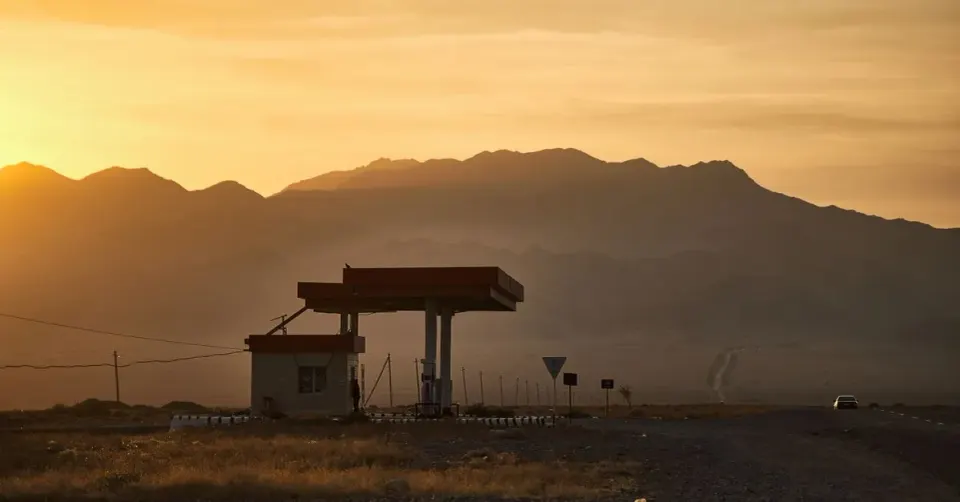
Inside Iran, the economic impact of the ongoing geopolitical standoff is becoming increasingly visible at the gas pump. Reports from the New York Times indicate that long lines have formed at petrol stations across the country, a physical manifestation of the supply shortages caused by a tightening U.S. blockade and domestic production struggles. The government is currently walking a tightrope, desperately trying to manage a significant fuel shortfall while remaining acutely aware that any attempt to raise prices at the pump could trigger widespread social unrest, similar to previous years.
Mohammad-Hossein Adeli, the former Governor of the Central Bank of Iran, recently commented on this difficult balancing act. He argued that Iran’s current diplomatic efforts, particularly under the administration of President Masoud Pezeshkian, are designed to protect national interests alongside the military front. Adeli highlighted the importance of the Islamabad memorandum of understanding between Tehran and Washington as a potential channel for de-escalation, though the reality of fuel queues suggests that diplomatic progress has yet to provide relief to the average citizen’s daily life. The USD/IRR rate moved from 206,400 to 206,300 (0.0%), reflecting a market that is holding its breath as it waits for the next move from either the government or international actors.
Iceland Rejects EU Accession in Landmark Referendum
In a significant shift for European geopolitics, Iceland has voted against restarting negotiations to join the European Union. Final results from the broadcaster RUV show that 52.8% of voters rejected the government’s proposal to resume talks, a move that underscores a growing trend of skepticism toward centralized European governance. The "No" campaign, which was reportedly well-funded and accused by critics of using scare tactics, successfully tapped into national concerns over sovereignty and control over Iceland’s vital fishing resources. Given Iceland’s small population of roughly 400,000, the margin of victory was slim, yet the message to Brussels is clear: the path to EU expansion is becoming increasingly complicated.
This decision has broader implications for global markets and diplomatic alliances. For countries like Iran, which often look for cracks in Western institutional unity, Iceland's rejection of the EU provides a narrative of a fragmented West. While Iceland remains a NATO member, its refusal to integrate further into the European economic bloc suggests that national interests are taking precedence over regional integration. This sentiment mirrors similar movements in other parts of the world where local populations are pushing back against globalist economic policies in favor of maintaining domestic autonomy.

Crypto Adoption Surges as Sberbank Eyes USDT Loans
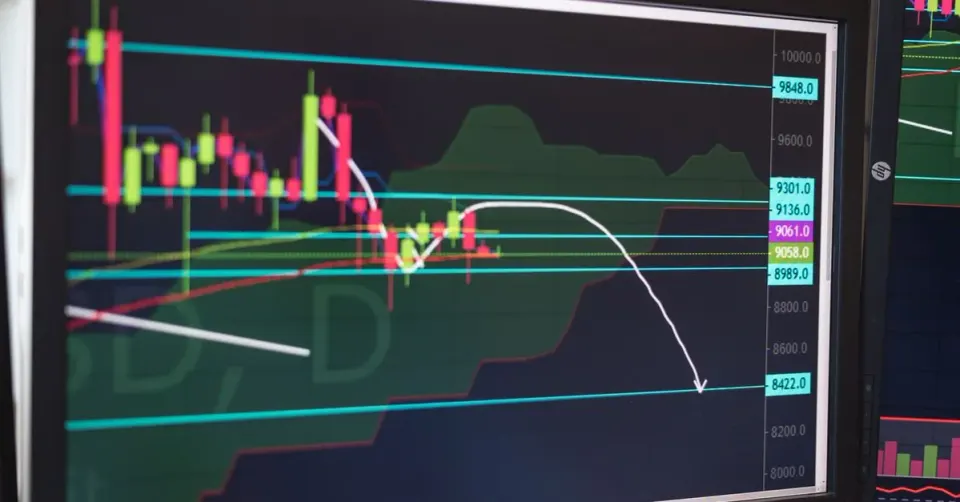
While traditional markets face geopolitical headwinds, the cryptocurrency sector continues to evolve as a tool for financial maneuvering in sanctioned environments. Russia’s largest bank, Sberbank, has announced plans to accept USDT (Tether) and Ether alongside Bitcoin as collateral for loans. This move comes as Russia introduces new laws to regulate crypto trading, signaling a strategic shift toward using digital assets to bypass traditional Western-dominated financial systems. With Bitcoin currently hovering near $78,061, the integration of stablecoins like USDT into the formal banking sector of a major economy marks a significant milestone in the legitimization of decentralized finance.
For Iranian investors, this trend is highly relevant. As the Iranian Rial remains under pressure, the demand for USDT (currently at 205,900 Tomans) continues to grow as a hedge against inflation and a means of international settlement. The fact that a major institution like Sberbank is moving toward USDT suggests that the "crypto-corridor" between sanctioned nations is becoming more sophisticated. However, the market remains volatile; while Bitcoin shows strength, other assets like the 18k gold gram in Iran have seen a slight decrease from 21,868,507 to 21,822,337 Tomans (-0.2%), reflecting the complex interplay between global crypto trends and local commodity prices.
Frequently Asked Questions
Why are there long lines for gas in Iran right now?
What does Iceland's rejection of the EU mean for global markets?
How does Sberbank's acceptance of USDT affect Iranian crypto users?
The Far-Reaching Impact of Economic Sanctions on National Economies
Economic sanctions are a powerful, non-military tool used by countries or international bodies to pressure a target state into changing its policies or behavior. These measures can take various forms, including trade embargoes, restrictions on financial transactions, asset freezes, and limitations on access to specific technologies or resources. The primary goal is to inflict economic pain, thereby compelling the targeted government to comply with international norms or demands, often in response to geopolitical actions, human rights issues, or nuclear proliferation concerns.
For a nation like Iran, facing a fuel shortage and a volatile currency exchange rate, economic sanctions often play a significant role in exacerbating these challenges. Sanctions can severely limit a country's ability to export its primary commodities, such as oil and gas, thereby drastically reducing its foreign currency earnings. This scarcity of foreign exchange makes it difficult to import essential goods, including refined petroleum products, spare parts for energy infrastructure, or even food and medicine. The inability to maintain existing infrastructure or invest in new capacity can directly lead to domestic shortages, such as the reported gas line issues in Tehran.
Furthermore, the restriction on foreign currency inflows and the difficulty in conducting international financial transactions put immense pressure on the national currency. As the supply of foreign currency (like USD) dwindles relative to demand, the local currency (like the Iranian Rial, IRR) depreciates sharply against it. This depreciation fuels inflation, as imported goods become much more expensive, eroding the purchasing power of citizens and creating significant economic hardship. Central banks, like the Central Bank of Iran, face an uphill battle in managing monetary policy and stabilizing the economy under such intense external pressure, often leading to a complex interplay of official and black market exchange rates.