Helium Shortage Hits Markets Amid Iran Conflict as Cyprus Ferry Disaster Leaves 89 Missing
بحران هلیوم در پی جنگ ایران و فاجعه غرق شدن کشتی در قبرس با ۸۹ مفقودی
A critical helium shortage triggered by regional conflict is driving up costs for industries ranging from party supplies to medical tech, while a major maritime tragedy off the coast of Cyprus has left dozens missing.
At time of publishing
USD
206,200
Toman
Gold 18K
21.76M
Toman / gram
Bitcoin
$78,699
US Dollar
Tether
205,605
Toman
The Helium Squeeze: Why Party Balloons are the New Luxury
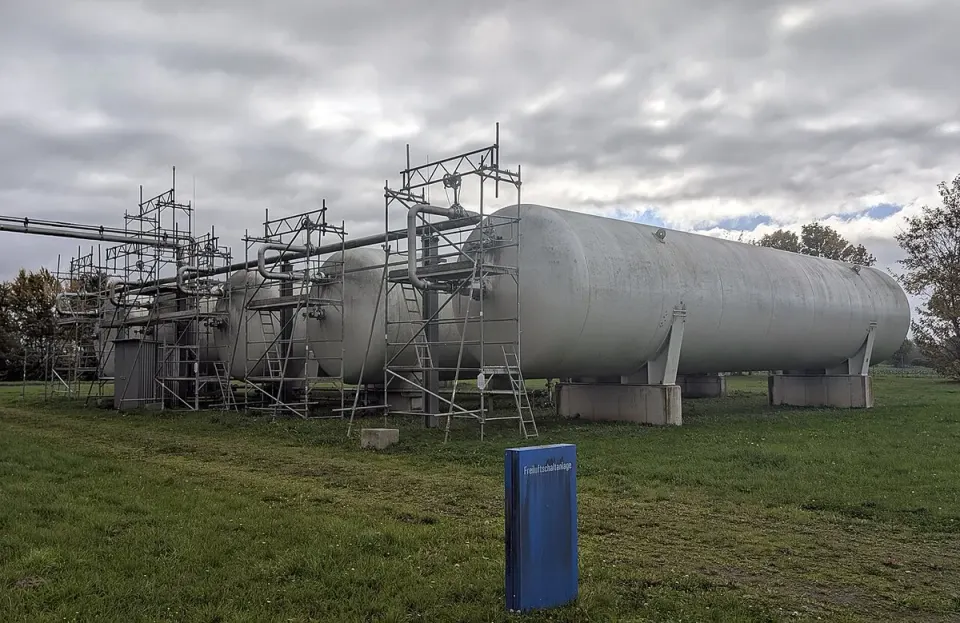
As the conflict involving Iran continues to reshape global supply chains, an unexpected commodity is feeling the heat: helium. Recent reports from major retailers like Dollar Tree indicate that a severe helium shortage is directly impacting the availability of party supplies, but the implications go far beyond birthdays and celebrations. Helium is a non-renewable resource essential for cooling superconducting magnets in MRI machines and manufacturing semiconductors. The current regional instability has disrupted transit and extraction routes, leading researchers to warn that we are entering a period of prolonged scarcity that could drive up costs across the high-tech and medical sectors.
For the average consumer, this means that even small luxuries are becoming indicators of geopolitical stress. In the Iranian market, where the US Dollar is currently trading at 206,200 Toman (a slight -0.1% decrease from 206,400), the rising cost of imported gases and industrial components is fueling broader inflationary fears. The shortage serves as a reminder of how interconnected modern manufacturing is; a conflict in the Middle East can lead to a price spike in a hospital in Europe or a retail store in North America. As supply remains constrained, we expect to see industries pivoting toward helium recycling technologies, though these transitions are neither quick nor cheap.
Maritime Tragedy in the Mediterranean: Ferry Capsizes Near Cyprus
A devastating maritime accident has occurred off the coast of northern Cyprus, where a catamaran-style ferry carrying 267 passengers and crew capsized. Authorities have confirmed at least seven deaths, while a massive search and rescue operation is underway for the 89 people still missing. The Turkish ambassador to Nicosia reported that 172 individuals have been rescued so far, many of whom are receiving treatment at local hospitals. This incident highlights the ongoing risks in Mediterranean transit zones, particularly as regional tensions and increased maritime traffic complicate safety protocols and emergency response times.

The geopolitical fallout of this disaster is already being felt in Ankara and Nicosia. Rescue efforts are being coordinated under heavy scrutiny, with questions being raised about the vessel's stability and the weather conditions at the time of the capsize. For the region, this tragedy adds a layer of humanitarian urgency to an already volatile atmosphere. In times of crisis, these events often serve as a catalyst for renewed cooperation—or further friction—between neighboring states over maritime jurisdiction and rescue responsibilities.
Market Volatility: Leverage-Happy Investors and the Oil Power Play
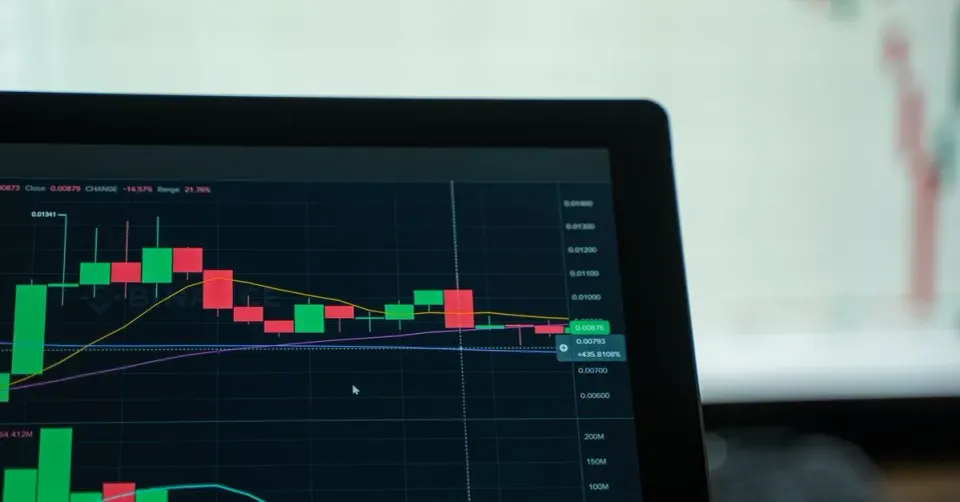
In the financial world, the stock market is undergoing a structural transformation driven by a surge in retail and quant investors utilizing high levels of leverage. Recent data shows a significant shift toward short-term trading and borrowed capital, making the markets more susceptible to sudden flash crashes. While Bitcoin has surged back above $80,000 recently (currently holding at $78,699), market makers are increasingly focusing on collecting yield rather than making directional bets. This "leverage-happy" environment means that any minor geopolitical shock can be amplified, leading to the kind of volatility we've seen in the gold market, where 18k gold in Iran dropped -0.5% to 21,757,698 Toman per gram today.
Meanwhile, energy markets are reacting to a bold move by the U.S. administration in South America. A new deal giving the United States majority control over vast Venezuelan oil reserves has sparked cries of "new colonialism" among locals. This takeover is a strategic attempt to stabilize global oil supply amid the ongoing Iran conflict, but it strikes at the heart of Venezuelan national identity. For investors, this move suggests a long-term play to decouple global energy prices from Middle Eastern volatility, though the political cost in Latin America could lead to new diplomatic challenges for Washington in the years to come.
Tech as a Lifeline: Drones and Data Centers
While traditional logistics struggle, technology is stepping in to fill the gaps. In Nepal, rescue workers are currently testing aid delivery by drone to reach survivors of deadly floods and landslides who have been cut off from food and medicine. This real-world application of drone technology demonstrates the shift from consumer gadgets to essential humanitarian tools. Simultaneously, tech giants like Meta are pushing to automate their data centers using robots for tasks traditionally performed by technicians. As labor markets tighten and physical risks increase, the drive toward automation is no longer just about efficiency—it is about resilience in an increasingly unpredictable world.
Frequently Asked Questions
Why is the Iran conflict causing a helium shortage?
What are the survival chances for the 89 missing in the Cyprus ferry disaster?
How does high leverage in the stock market affect individual Iranian investors?
Geopolitical Risk and Global Commodity Markets
Geopolitical risk refers to the potential for political instability, conflicts, or international tensions to disrupt global economic activity. Unlike conventional market risks, geopolitical events often emerge suddenly and can have far-reaching, unpredictable consequences across various sectors. The “Iran Conflict” mentioned in the headline, for instance, represents a significant geopolitical flashpoint that can ripple through international trade, investment flows, and, critically, commodity markets. Understanding this risk is crucial for businesses, investors, and policymakers navigating an increasingly interconnected world.
One of the most immediate impacts of geopolitical risk is on commodity markets, particularly those for essential resources like energy, metals, and even industrial gases like helium. Conflicts in key producing or transit regions can lead to direct supply disruptions, as infrastructure is damaged or trade routes become unsafe. This scarcity, whether real or perceived, drives up prices. Simultaneously, heightened uncertainty often prompts investors to seek “safe-haven” assets, which can include certain commodities like gold, further influencing their market dynamics and potentially exacerbating price volatility.
Beyond direct supply shocks, geopolitical tensions also fuel speculation and can lead to significant shifts in currency valuations. For example, the “USD IRR price” would be highly sensitive to the perceived stability of the Iranian economy and its international relations. Such currency fluctuations affect the cost of imports and exports, further impacting commodity prices and contributing to inflationary pressures globally. Ultimately, geopolitical risks underscore the fragility of global supply chains and the profound interconnectedness of political events with everyday economic realities, from the price of fuel to the availability of critical industrial gases.