Asian LNG Prices Soar Amid Iran War Escalation, Driving Dubai Crude Towards $100
افزایش شدید قیمت گاز طبیعی مایع در آسیا با تشدید تنشها در ایران؛ نفت دبی به ۱۰۰ دلار نزدیک میشود
Global energy markets are in turmoil as Asian LNG spot prices hit their highest since 2022, fueled by escalating tensions between the US and Iran in the Strait of Hormuz. This geopolitical friction, coupled with robust oil demand from China and India, is pushing Dubai crude futures towards the $100 mark, signaling potential inflationary pressures worldwide.
At time of publishing
USD
222,300
Toman
Gold 18K
23.52M
Toman / gram
Bitcoin
$77,871
US Dollar
Tether
221,288
Toman
Asian LNG Prices Surge to Highest Since 2022 as Iran War Escalates
Spot LNG prices for Asian buyers have soared to nearly $26 per million British thermal units, marking a significant 5% weekly gain and reaching their highest levels since 2022. This dramatic increase comes in the immediate aftermath of renewed strikes between the United States and Iran, particularly following President Donald Trump's assertion that US forces had targeted and neutralized Iranian equipment along the Strait of Hormuz. The strategic importance of this waterway for global energy shipments means any military action or heightened tension directly impacts supply security and market sentiment.
This escalation highlights the fragility of global energy supply chains when geopolitical flashpoints ignite. The Strait of Hormuz is a critical chokepoint through which a substantial portion of the world's liquefied natural gas and oil passes. The reported strikes and subsequent rhetorical escalation by President Trump signal a deepening of the conflict, prompting traders and buyers to factor in higher risk premiums. For consumers and industries globally, especially in energy-hungry Asian economies, this surge in LNG prices translates directly into higher operational costs and potential inflationary pressures, affecting everything from utility bills to manufacturing expenses.
Asian Oil Buying Spree Sends Dubai Crude Toward $100
In a related development, strong demand for Middle Eastern crude grades from major Asian economies like China and India is propelling Dubai crude futures closer to the $100 per barrel threshold. This robust appetite from refining giants such as Indian Oil Corp. and PetroChina, alongside refiners in South Korea and Japan, is creating significant upward pressure on prices, as reported by Bloomberg. This buying spree is notable because it persists even amidst the latest escalation of tensions between the United States and Iran, suggesting that fundamental demand in Asia is currently overriding some geopolitical risk concerns.
The relentless demand from Asia underscores the region's critical role as a global energy consumption hub. Even with Saudi Arabia's oil exports reportedly dropping to their lowest levels since 2017, the sheer volume of purchasing from countries like China and India is tightening the global oil market. Should Dubai crude indeed breach the $100 mark, it would have widespread implications for global inflation, potentially forcing central banks to maintain tighter monetary policies for longer. This scenario would impact everything from transportation costs to the prices of consumer goods, adding further strain to the global economic recovery.
China’s Support for Iran Shows Its Limits as US Ramps Up Pressure
Recent analyses suggest that China's long-standing support for Iran is beginning to show its limitations, particularly as the United States intensifies its pressure on Tehran. Beijing's foreign policy is a complex balancing act, where its relationship with Iran is weighed against other crucial regional and global partnerships. While China has historically been a significant buyer of Iranian oil and a diplomatic ally, the increasing assertiveness of US sanctions and diplomatic efforts appears to be compelling Beijing to re-evaluate the extent of its engagement.
This shift, if it continues, could have profound implications for Iran's economy and its ability to circumvent international sanctions. China's pragmatic approach means that its backing is not unconditional, and it is likely prioritizing its broader economic and strategic interests, which include maintaining stable relations with other Middle Eastern powers and avoiding direct confrontation with the US on all fronts. For Iran, a less robust Chinese lifeline could exacerbate economic challenges, potentially impacting currency stability and the overall confidence of its markets as it seeks avenues for trade and financial engagement.
Macron and Burnham Hold First Talks Amid Channel Migrant Crisis
French President Emmanuel Macron and UK Prime Minister Andy Burnham are set to hold their inaugural official talks today in London, following a preliminary meeting yesterday at the Bayeux Tapestry exhibition. The agenda for these high-stakes discussions is expected to focus on pressing bilateral issues, including the persistent challenge of migrant crossings in the English Channel and coordinated responses to the ongoing war in Ukraine. This meeting marks a crucial opportunity for the two European leaders to forge a stronger working relationship and address shared concerns.
These talks are significant for several reasons. The issue of migrant crossings across the Channel has been a source of tension between Paris and London, with both nations seeking effective solutions to curb illegal immigration while upholding humanitarian principles. Furthermore, a unified Franco-British stance on the Ukraine conflict is vital for maintaining European security and presenting a strong front against aggression. The outcomes of these discussions could influence policy decisions related to border security, defense spending, and broader European diplomatic strategies, potentially impacting regional stability and market confidence in European political cohesion.

--ENS OF BODY_EN--
Anker’s New Fabric Printer and Smart Home AI Hub Announced
Anker's innovative eufyMake brand is poised to introduce a groundbreaking new printer capable of directly printing designs onto fabrics, with an anticipated launch in the spring of 2027. This development follows their earlier success with a consumer-friendly UV printer for rigid materials, signaling Anker's continued expansion into the personalized manufacturing space. The move into fabric printing could revolutionize custom apparel and textile design, offering unprecedented accessibility for individuals and small businesses to create bespoke items with ease.
In parallel, Anker is venturing deeper into smart home technology with the announcement of the Eufy MindBase, a local AI hub designed for its security cameras. This device incorporates an on-device, Anker-developed Large Language Model (LLM), which processes footage without sending data off-site, prioritizing user privacy and security. The MindBase, along with other smart home security products showcased at the IFA tech show in Berlin, represents a significant step towards more autonomous and privacy-centric smart home ecosystems. This innovation addresses growing concerns about data privacy in connected devices by ensuring sensitive information remains within the user's home network, potentially setting a new industry standard.

Frequently Asked Questions
Why are Asian LNG prices surging right now?
How does the US-Iran conflict affect global oil prices?
What is the significance of China's evolving stance on Iran?
What new technologies did Anker announce?
What are Macron and Burnham discussing in their first talks?
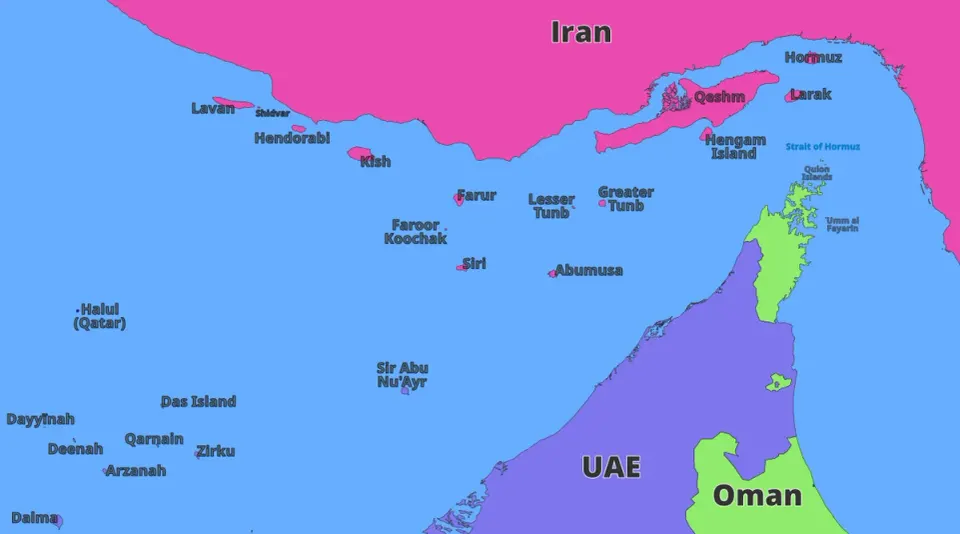
The Strait of Hormuz: Global Energy's Choke Point
The Strait of Hormuz is one of the world's most strategically important waterways, a narrow sea lane connecting the Persian Gulf to the Arabian Sea and the broader Indian Ocean. For centuries, it has been a vital maritime passage, but in the modern era, its significance has become inextricably linked to global energy security. Roughly one-fifth of the world's total petroleum consumption and a significant portion of its liquefied natural gas (LNG) transit through this strait daily, making it an indispensable artery for the global economy.
Its critical role stems from its geographical position: it is the sole sea passage from the Persian Gulf for major oil-producing nations like Saudi Arabia, Iran, UAE, Kuwait, and Iraq. Any disruption to traffic through the Strait of Hormuz has immediate and far-reaching consequences for global energy markets. Even the threat of disruption, often arising from geopolitical tensions, can cause crude oil and LNG prices to spike, as traders factor in increased risk premiums and potential supply shortages.
Iran, bordering the northern side of the strait, holds a strategic advantage, possessing the capacity to impede or threaten shipping through the waterway. Past escalations between Iran and other nations, particularly the United States, have frequently seen threats to close or disrupt the strait, leading to heightened international concern and volatility in energy prices. The prospect of such an event directly impacts the cost of energy for consumers worldwide, fueling inflationary pressures and potentially destabilizing economies reliant on stable oil and gas supplies.
Understanding the Strait of Hormuz is crucial for anyone seeking to comprehend the intricate relationship between geopolitics, energy markets, and global economic stability. It serves as a stark reminder of how a single geographical choke point can exert immense influence over the flow of vital resources and, by extension, the prosperity of nations across the globe.
Topics
Related Articles