Global Tensions Mount: Russia Bolsters Iran Missile Support Amid Putin's 'Global Battle' Against West
افزایش تنشهای جهانی: حمایت موشکی روسیه از ایران در بحبوحه «نبرد جهانی» پوتین علیه غرب
Global geopolitical tensions are escalating as Russia reportedly provides missile support to Iran, a move interpreted as part of Vladimir Putin's broader strategy to challenge the US and NATO. Concurrently, Iraq has significantly increased oil exports via the Strait of Hormuz, while the Japanese Yen surged on interest rate hike speculation, impacting global markets.
At time of publishing
USD
223,400
Toman
Gold 18K
23.42M
Toman / gram
Bitcoin
$77,942
US Dollar
Tether
220,804
Toman
Russia's 'Global Battle' Strategy Extends to Iran with Missile Support
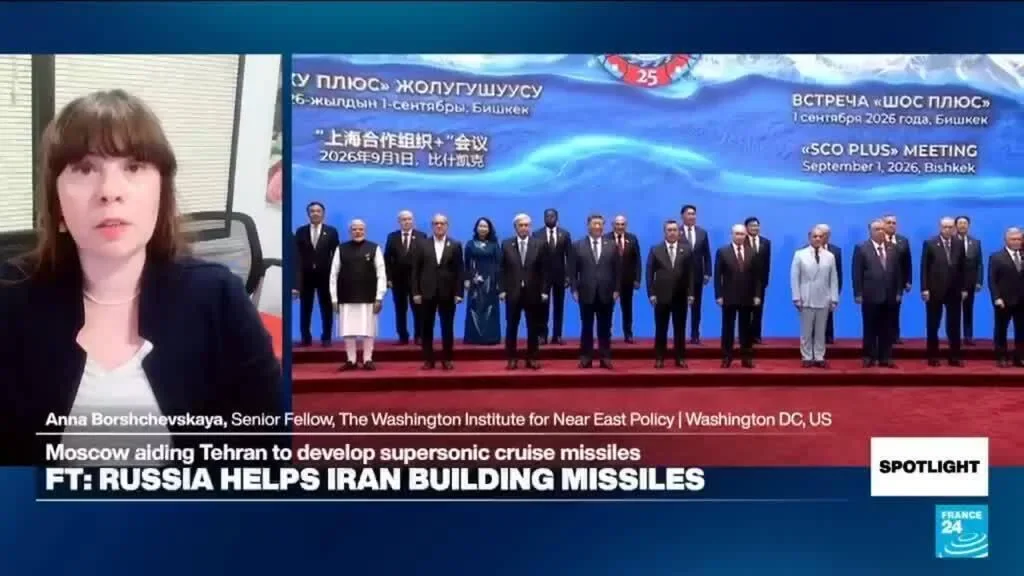
Geopolitical tensions are escalating as Russia is reportedly providing missile support to Iran, a move interpreted by analysts as a calculated part of Vladimir Putin's broader strategy to confront the United States and NATO. This is not seen as an isolated arms transaction but rather as an integral component of a multi-front 'global battle' where Moscow views Ukraine, Iran, NATO, and the US as interconnected arenas. The objective, according to Anna Borshchevskaya of The Washington Institute, is less about direct military confrontation with Washington and more about strategically altering the global environment around it.
This deliberate approach aims to strengthen actors hostile to the US, increase the costs associated with American and Israeli military actions, and continuously probe Western thresholds for retaliation. For Iranian readers, this development carries significant implications, potentially increasing regional instability and further entrenching Iran within a complex geopolitical alignment. Such military cooperation could influence international sanctions regimes and trade dynamics, impacting market confidence and the broader economic outlook, including expectations for the Iranian currency and gold markets. The USD/IRR, for instance, has already moved from 222,300 to 223,400 (+0.5%) in the last 24 hours, reflecting underlying market anxieties.
Iraq Hikes Oil Exports via Hormuz, Bolstering Asian Refiners
In a significant development for global energy markets, Iraq, OPEC’s second-largest producer, dramatically increased its crude oil exports through the Strait of Hormuz in August. Reports indicate that exports more than doubled, jumping from 1.35 million barrels per day (bpd) in July to approximately 2.34 million bpd in August. This surge was primarily driven by Iraq offering attractive discounts for Basrah loadings in the Persian Gulf, making its crude highly competitive for Asian refiners. Crucially, Iran reportedly allowed Iraqi oil cargoes to transit through the strategic chokepoint, facilitating this substantial increase.
This boost in Iraqi oil supply is a boon for Asian refiners, providing them with more affordable crude options amidst fluctuating global prices. For the wider market, this increase in supply from a major OPEC producer could help stabilize oil prices, potentially easing inflationary pressures in the short term. However, Iran's implicit role in allowing transit through Hormuz underscores the Strait's critical geopolitical importance and Iran's continued influence over global energy flows, a factor that remains a source of regional and international tension.
Yen Soars on Bank of Japan Rate Hike Speculation, Impacts Global Currencies
Global financial markets witnessed a notable shift as the Japanese Yen surged by over 1.7% against the US dollar, reaching its highest level in a month. This sharp appreciation, which followed a 0.9% gain the previous day, was fueled by intense speculation that the Bank of Japan (BoJ) is preparing to raise interest rates. Such a move would mark a significant departure from the BoJ's long-standing ultra-loose monetary policy, which has kept rates near zero or negative for years in an effort to stimulate economic growth and combat deflation.
Market participants are increasingly betting that persistent inflationary pressures and a desire for policy normalization will prompt the BoJ to tighten its monetary stance. A stronger Yen typically leads to broader US dollar weakness, as reflected in the Dollar Index. This dollar depreciation can, in turn, provide a tailwind for other assets, including cryptocurrencies like Bitcoin and precious metals such as gold, which often benefit from a softer dollar. Gold 18k/gram, for instance, rose from 22,784,985 to 23,422,133 (+2.8%) and Emami coin from 228,000,000 to 234,000,000 (+2.6%) in the last 24 hours, partially reflecting this global currency dynamic and increased risk aversion.
US Retirement Savings Hit Record Highs, 401(k) Millionaires Increase
Despite lingering anxieties about the broader economy, American retirement savings have reached unprecedented levels, with Fidelity Investments reporting a new record number of 401(k) millionaires in the second quarter. Retirement savings accounts, including 401(k)s and IRAs, hovered at all-time highs, indicating a strong focus by investors on their long-term financial goals. This resilience suggests that many individuals are maintaining consistent contributions and benefiting from market performance, even amid economic uncertainties.
This trend highlights the robust nature of long-term investment strategies and the power of compounding returns in stable markets. For Iranian investors, this serves as a stark contrast to the often volatile local market conditions and currency fluctuations. It underscores the importance of long-term planning and diversification, offering a perspective on how global economic stability and market growth can contribute significantly to wealth accumulation, potentially influencing strategies towards international asset allocation or more stable investment vehicles.

Nvidia Acquires Hugging Face in $13 Billion AI Ecosystem Play
In a landmark deal set to reshape the artificial intelligence landscape, Nvidia has agreed to acquire Hugging Face, a prominent platform for open-source AI models, datasets, and tools, for nearly $13 billion. This acquisition signifies a major strategic move by Nvidia, the world's leading AI chipmaker, to further consolidate its dominant position within the rapidly expanding AI ecosystem. By integrating Hugging Face, Nvidia expands its influence beyond hardware into the crucial software and community aspects of AI development.
Hugging Face, founded in 2016, has become an indispensable hub for AI developers, providing a collaborative space to share projects and data. Nvidia's acquisition means that one of the most popular open-source AI platforms will now operate under the umbrella of a hardware giant. This integration is expected to accelerate AI innovation, potentially standardizing tools and workflows for developers, but also raises questions about the future of open-source neutrality and competition within the AI industry. The deal underscores the immense valuation placed on AI infrastructure and platforms, reflecting the ongoing tech boom and its profound implications for global technology investment and advancement.

Watch
Putin's 'global battle' against US, NATO: Russia 'testing' NATO since 2022 Ukraine invasion began
FRANCE 24 English
Frequently Asked Questions
What is the significance of Russia's reported missile support for Iran?
How do increased Iraqi oil exports through the Strait of Hormuz affect global markets?
Why is the Bank of Japan considering raising interest rates now, and what are the implications?
What does Nvidia's acquisition of Hugging Face mean for the AI industry?
How do global geopolitical tensions influence the Iranian economy and currency?
Geopolitical Chokepoints and Global Energy Security
In an increasingly interconnected world, certain narrow maritime passages, known as geopolitical chokepoints, hold immense strategic importance, particularly for global energy security. These are critical bottlenecks through which a significant portion of the world's trade, especially oil and natural gas, must pass. Any disruption to these routes, whether due to conflict, political instability, or piracy, can have cascading effects on global supply chains, energy prices, and international relations. Understanding these chokepoints is crucial for comprehending the broader implications of rising global tensions.
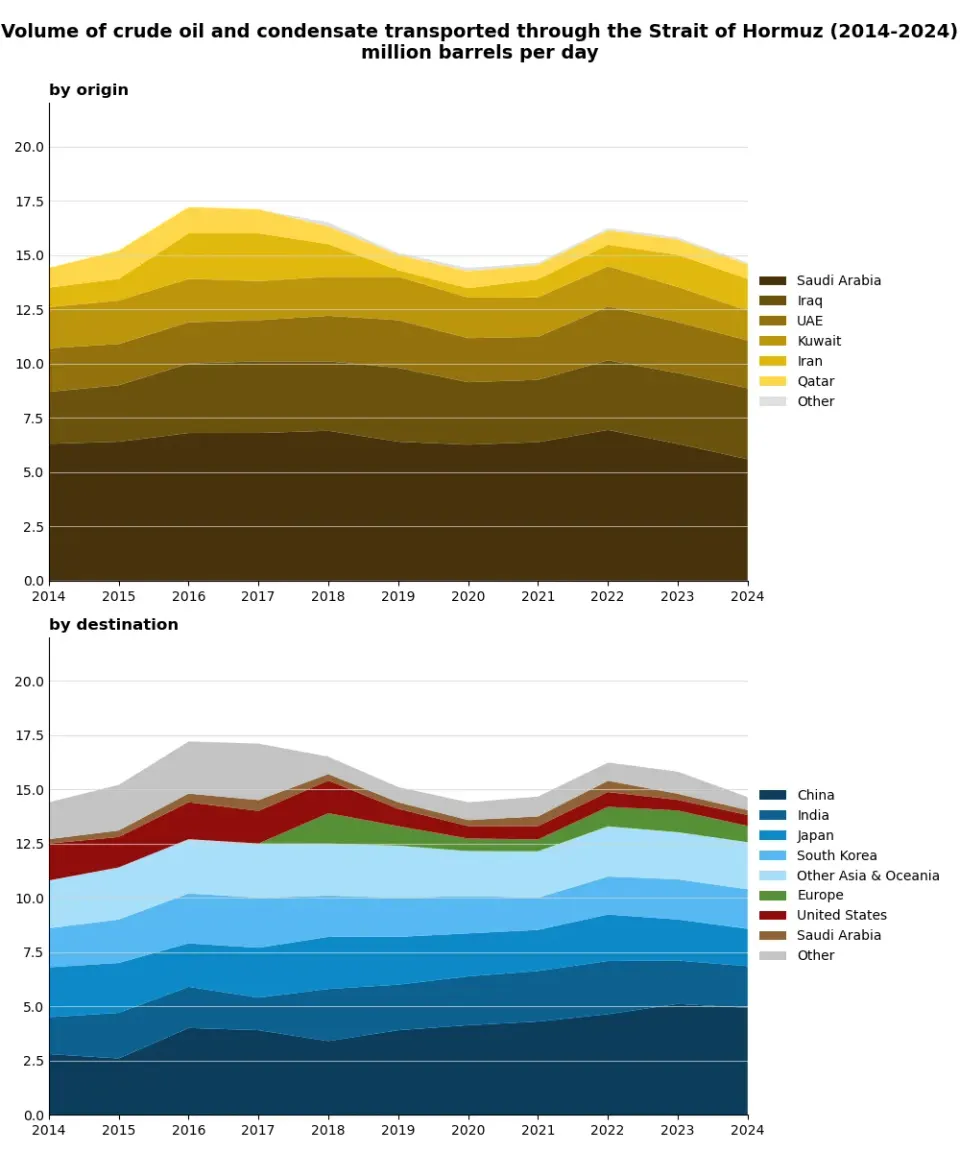
The Strait of Hormuz stands as perhaps the most prominent example of such a chokepoint. This narrow waterway, situated between Oman and Iran, connects the Persian Gulf to the open ocean, serving as the sole maritime passage for oil exports from major producers like Saudi Arabia, Iran, Iraq, Kuwait, Qatar, and the UAE. An estimated 20% of the world's total petroleum liquids consumption, and about one-third of all seaborne traded oil, transits through the Strait daily. Its strategic location makes it a focal point for regional rivalries and a potential flashpoint in times of heightened geopolitical tension.
The headline's mention of Russia bolstering Iran's missile support amid a "global battle" against the West directly underscores the heightened risk associated with the Strait of Hormuz. Iran has, in the past, threatened to close the Strait in response to sanctions or military pressure, a move that would severely disrupt global oil supplies, send crude prices soaring, and potentially trigger a global economic crisis. Such threats highlight how geopolitical maneuvering and military posturing by major powers can directly impact the stability of these vital energy arteries, affecting consumers and economies worldwide far beyond the immediate region.
Therefore, the stability of geopolitical chokepoints like the Strait of Hormuz is not merely a regional concern but a global one. International efforts often focus on maintaining the freedom of navigation through these passages, as their security is inextricably linked to global economic stability and the uninterrupted flow of essential resources.