Iran's Foreign Ministry Criticizes US 'War of Choice'; Oil Prices Dip Amid Strong US Economy
وزارت خارجه ایران 'جنگ انتخابی' آمریکا را نقد کرد؛ قیمت نفت با وجود اقتصاد قوی آمریکا کاهش یافت
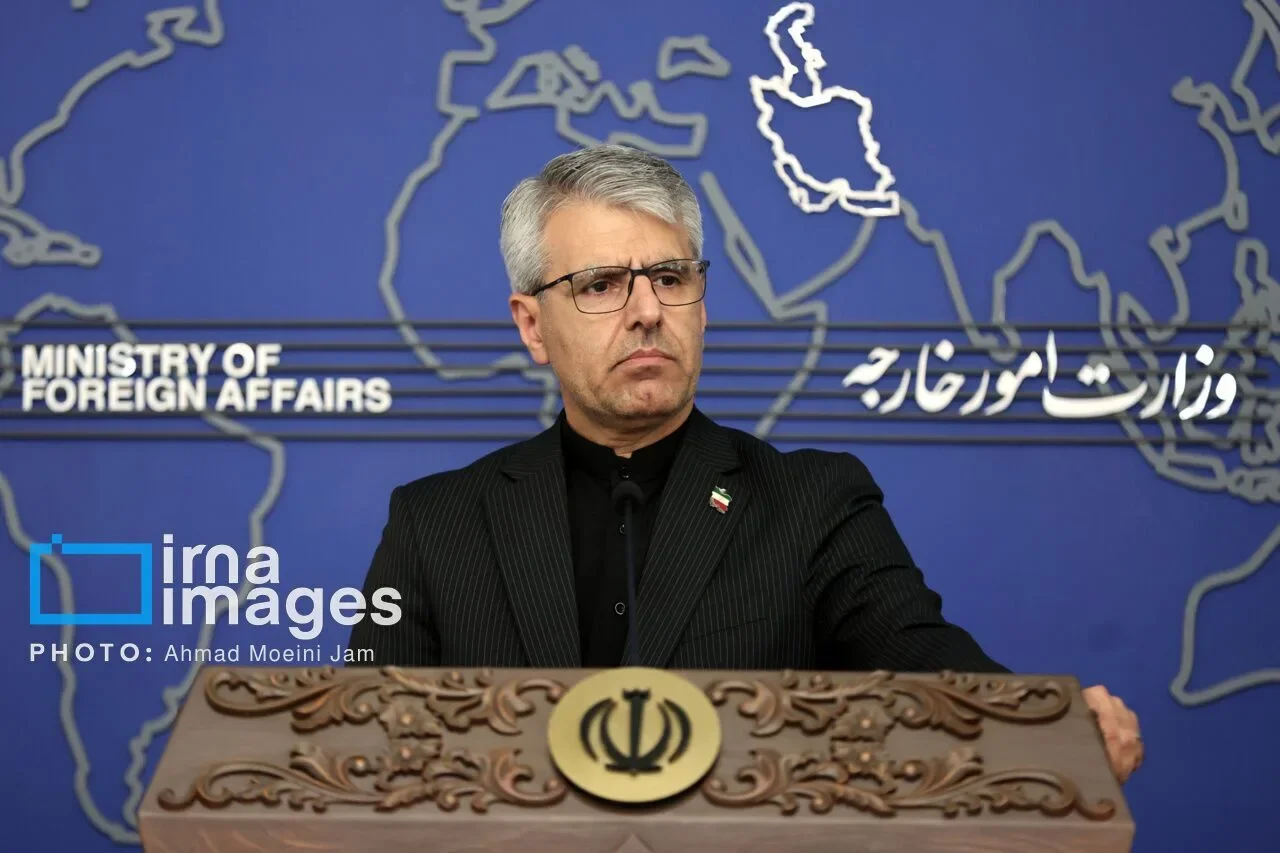
Iran's Foreign Ministry spokesperson Esmaeil Baqaei has condemned the US 'war of choice' as an unlawful aggression that, paradoxically, undermined Washington's global standing. Meanwhile, US diesel prices are surging towards record highs, though the broader US economy shows robust growth. Gold prices in Iran have seen a significant daily increase.
At time of publishing
USD
223,400
Toman
Gold 18K
23.47M
Toman / gram
Bitcoin
$80,827
US Dollar
Tether
222,500
Toman
Iran Criticizes US 'War of Choice', Undermining Global Power
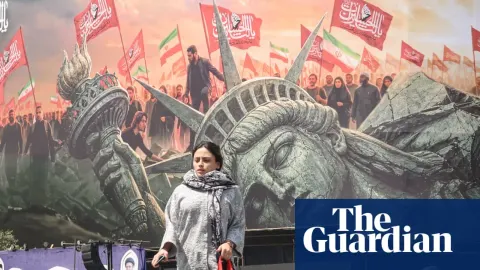
Esmaeil Baqaei, spokesperson for Iran's Foreign Ministry, stated that the US "war of choice" was an unlawful and unprovoked act of aggression intended to destabilize the country. However, he argued that this action ultimately backfired, shattering the illusion of absolute American power and damaging Washington's moral authority on the global stage. The ministry's statement suggests that while the US aimed to impose its will, its actions have led to a reassessment of its global influence and ethical standing, potentially emboldening other nations to question American dominance.
This rhetoric from Tehran comes amidst ongoing geopolitical tensions and highlights Iran's perspective on international conflicts. By framing the US action as a "war of choice," Iran seeks to portray the US as an aggressor acting unilaterally, rather than a force for global stability. The implication is that such actions, despite their military objectives, carry significant diplomatic and reputational costs for the aggressor, consequences that may resonate with nations wary of American interventionism. This narrative aims to rally support among those who view US foreign policy with skepticism and to project an image of Iran as a principled actor resisting perceived American overreach.
---
US Diesel Prices Surge, Broader Economy Shows Resilience
The average price of diesel fuel in the United States has climbed to $5.7832 per gallon, nearing the all-time record set in mid-2022. This surge, occurring as the war in Iran continues, places significant pressure on transportation costs and supply chains across the nation. While gasoline prices remain below their peak, they are also at elevated levels for this time of year, contributing to broader inflationary concerns for consumers and businesses alike.
Despite these high fuel costs, the broader U.S. economy demonstrated surprising strength in August, growing at its fastest pace in six months. This resilience is occurring even with persistent inflation and new tariffs imposed by the White House. The robust expansion suggests that the current economic cycle has further room to grow, defying some expectations of a slowdown. However, the elevated energy prices represent a significant 'trip wire,' posing a risk to continued growth and potentially forcing the Federal Reserve to maintain a hawkish stance on interest rates.

---
Gold Prices Rise Sharply in Iran Amidst Global Market Shifts
Gold prices in Iran have experienced a notable surge over the past 24 hours. The 18-karat gold gram price increased by 3.0%, moving from approximately 22,784,985 Toman to 23,470,612 Toman. Similarly, the Emami gold coin saw a 2.6% rise, climbing from 228,000,000 Toman to 234,000,000 Toman. These increases reflect broader trends in the global gold market, where the precious metal has seen a significant uptick, driven by geopolitical uncertainties and investor demand for safe-haven assets.
The concurrent rise in gold prices and the slight depreciation of the Iranian Toman against the US Dollar (up 0.5% in the last 24 hours) suggest a complex interplay of factors influencing the domestic market. As global economic conditions remain volatile, with high energy prices and ongoing international conflicts, investors often turn to gold as a hedge against inflation and currency devaluation. This trend appears to be amplified within Iran, where economic pressures and geopolitical considerations often lead to increased demand for tangible assets like gold coins and bullion, further driving up local prices.

---
Geopolitical Ripples: Ukraine Clashes, Spain Questions Morocco, and a US Official's Remark
In Ukraine, rival intelligence units engaged in a shootout within Kyiv, an event President Zelensky described as "shameful" and has ordered an investigation into. This internal conflict within Ukrainian security forces highlights potential fragilities and power struggles. Meanwhile, in Europe, Spain's Prime Minister Pedro Sánchez has raised questions about Morocco's border control effectiveness following a surge of migrants in Ceuta, indicating a diplomatic strain and a focus on regional security cooperation. These events underscore the complex and often unpredictable nature of international relations and internal stability.
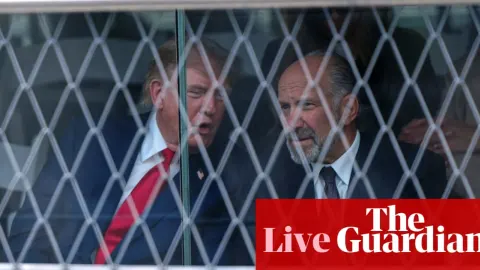
Adding to the geopolitical narrative, former US President Donald Trump claimed that his commerce secretary, Howard Lutnick, mistakenly stated that no Americans had died in the Iran war because he was preoccupied with a previous operation in Venezuela. This assertion, which contradicts official Pentagon figures of 18 US service members killed, introduces a layer of confusion and potential political maneuvering around the conflict's human cost. The discrepancy, regardless of its origin, adds to the complex discourse surrounding the ongoing war and its impact on American lives and public perception.

Frequently Asked Questions
What did Iran's Foreign Ministry spokesperson say about the US 'war of choice'?
How much have US diesel prices increased recently?
What was the 24-hour change in gold prices in Iran?
What was the 24-hour change in the USD/IRR exchange rate?
Understanding the “War of Choice” in U.S. Foreign Policy
The phrase "war of choice" is used to describe a military conflict that a nation initiates not out of immediate self‑defence, but because the leadership believes the war serves broader strategic, political, or economic goals. Unlike a war of necessity—which is fought in response to an imminent threat—a war of choice is discretionary, often justified by arguments about spreading democracy, securing resources, or reshaping regional order.
The term gained prominence in the early 2000s when scholars and journalists applied it to the United States’ decision to invade Iraq in 2003. The Bush administration argued that pre‑emptive action was required to eliminate weapons of mass destruction and promote democratic reform, even though there was no direct attack on the United States. Critics seized on the language to highlight that the war was chosen for its perceived long‑term benefits rather than an immediate security need. Earlier uses can be traced back to the Vietnam era, when the U.S. escalated its involvement despite ambiguous threats to American territory.
Since then, the concept has been invoked to analyze other U.S. interventions—such as the 2011 NATO‑led campaign in Libya, the ongoing presence in Afghanistan, and the more recent debates over potential actions in Iran or the South China Sea. Each case raises questions about how the calculus of power, oil and gas markets, and geopolitical rivalries shape the decision‑making process. For Iran, the label “war of choice” is a diplomatic weapon, implying that any future U.S. military move would be driven by strategic ambition rather than legitimate defence, which in turn influences sanctions, oil price volatility, and the value of the Iranian toman.
Understanding the war‑of‑choice framework helps observers connect foreign‑policy rhetoric with concrete economic outcomes: sanctions can depress a nation’s currency, drive up gold prices as investors seek safe havens, and cause diesel and other commodity prices to swing in response to geopolitical risk. By recognizing whether a conflict is chosen or necessary, analysts can better anticipate market reactions and the broader geopolitical ripple effects.
Topics
Related Articles