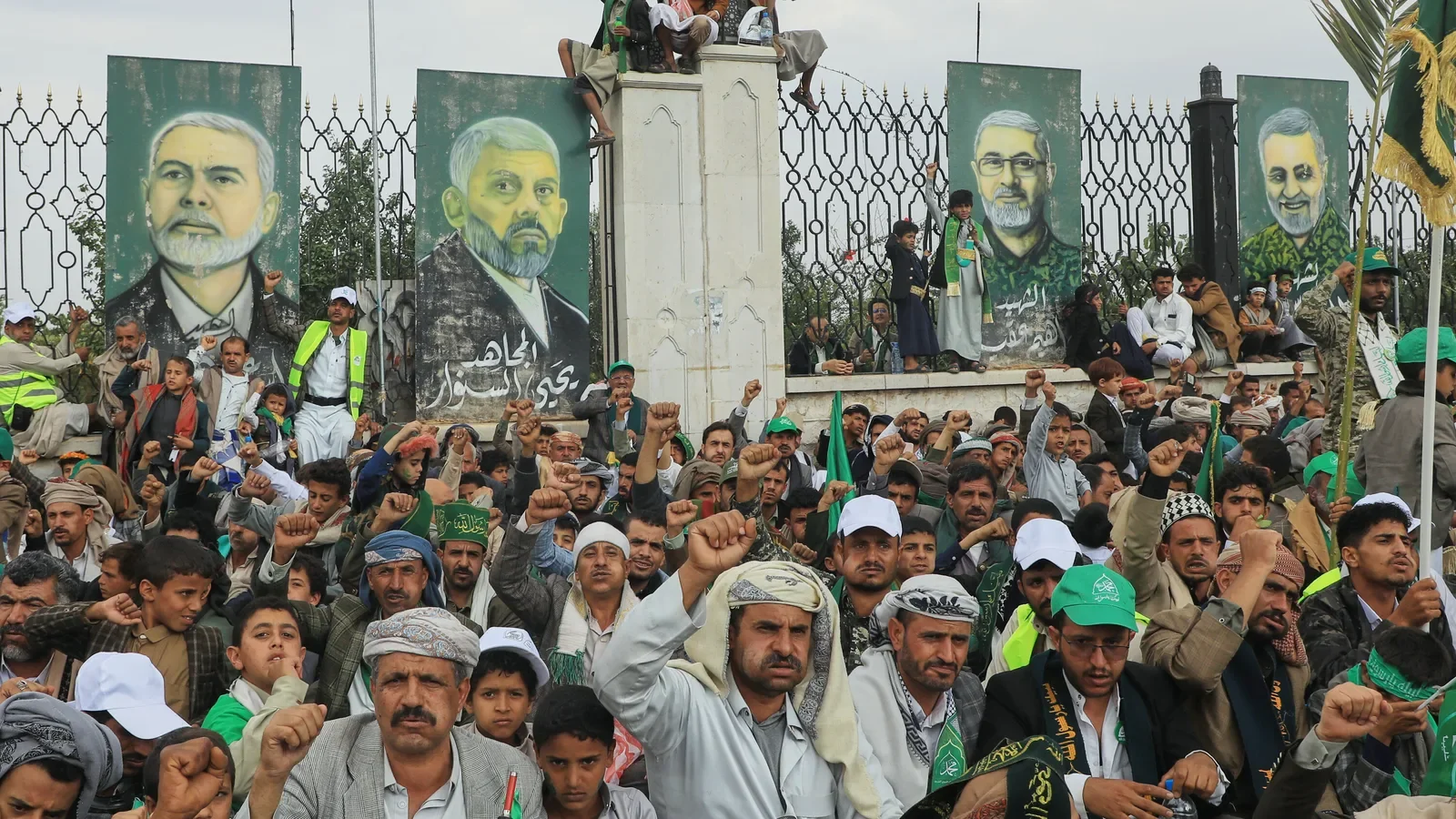
Houthi Offensive Near Bab al-Mandab Sparks Supply Chain Fears as Gold Dips and Toman Edges Up
پیشروی حوثیها در نزدیکی بابالمندب؛ نوسان اندک دلار و عقبنشینی قیمت طلا در بازار تهران
Conflict in the Red Sea intensifies as Houthi forces push toward a key trade choke point, while stronger-than-expected US jobs data fuels rate hike fears, pressuring gold prices. In Tehran, the Toman holds steady despite regional escalation.
At time of publishing
USD
221,700
Toman
Gold 18K
23.03M
Toman / gram
Bitcoin
$79,353
US Dollar
Tether
221,300
Toman
Houthi Push Toward Bab al-Mandab Threatens Global Trade
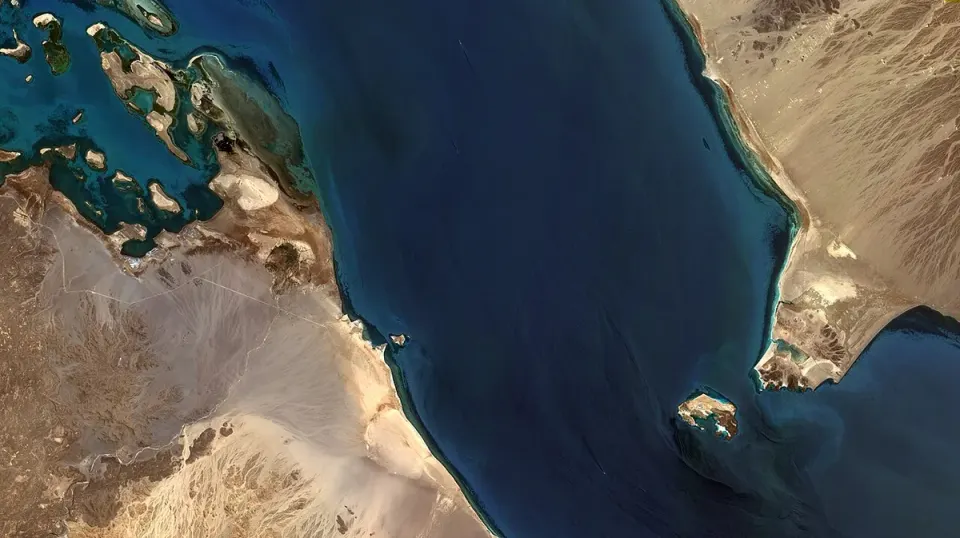
The Iran-backed Houthi militia has launched a strategic offensive to seize a port city near the Bab al-Mandab Strait, one of the world's most critical maritime corridors. This escalation marks a significant shift from sea-based drone attacks to ground-based territorial gains, aiming to consolidate control over the narrow passage that connects the Red Sea to the Gulf of Aden. Military analysts suggest that if the Houthis succeed in securing this coastal foothold, their ability to disrupt global energy supplies and commercial shipping would increase exponentially, further complicating international efforts to secure the region.
For the Iranian economy, this development is a double-edged sword. While it demonstrates the regional reach of Tehran’s allies, the resulting instability often triggers a "risk premium" in the currency markets. Today, the USD sell rate in Tehran rose slightly to 221,700 Toman (+0.1%), reflecting cautious sentiment. If the conflict disrupts oil transit significantly, the inflationary pressure on imported goods could further strain the domestic market, even as Tehran maintains its diplomatic stance within the BRICS framework.
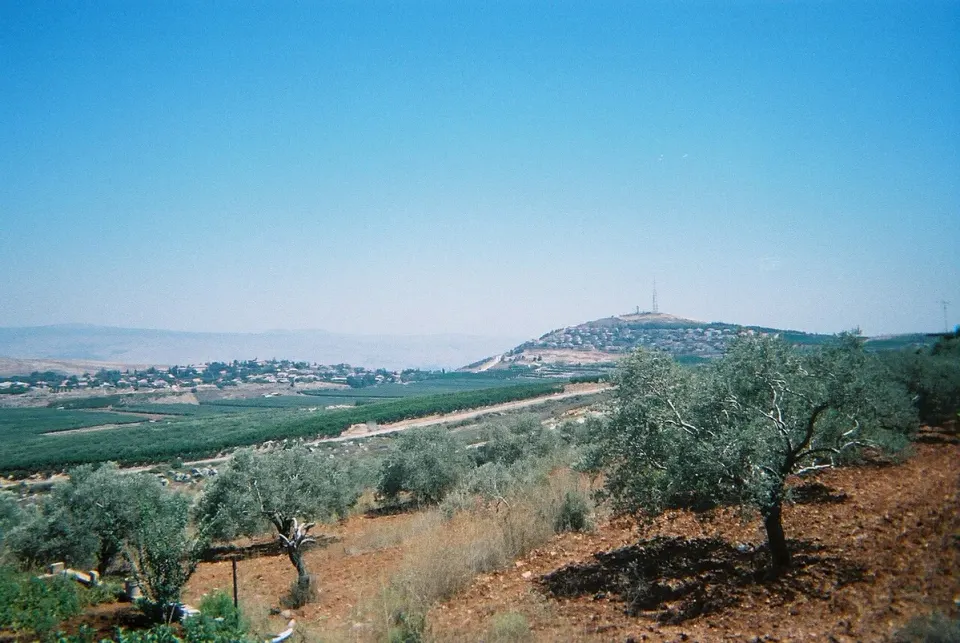
Israel Seizes Strategic Ridge in Southern Lebanon
In a major blow to Hezbollah’s defensive positioning, the Israeli army has successfully seized the Ali al-Taher ridge in southern Lebanon. Defense Minister Israel Katz confirmed the capture of this strategic highland, which sits approximately 10 kilometers from the border and provides a commanding view of the surrounding terrain. Despite a nominal ceasefire being in place, the ridge had been subjected to intense bombardment in recent weeks, as Israel sought to neutralize what it described as persistent threats from the Iran-aligned group.
The loss of this ridge is strategically significant because it removes a key observation and staging point for Hezbollah, potentially shifting the balance of power along the northern border. While Hezbollah has not officially confirmed the loss, the move signals Israel's intent to establish a "buffer zone" of sorts, regardless of diplomatic agreements. This regional friction continues to weigh on investor confidence across the Middle East, contributing to the persistent volatility in gold and currency prices as safe-haven demand remains high.
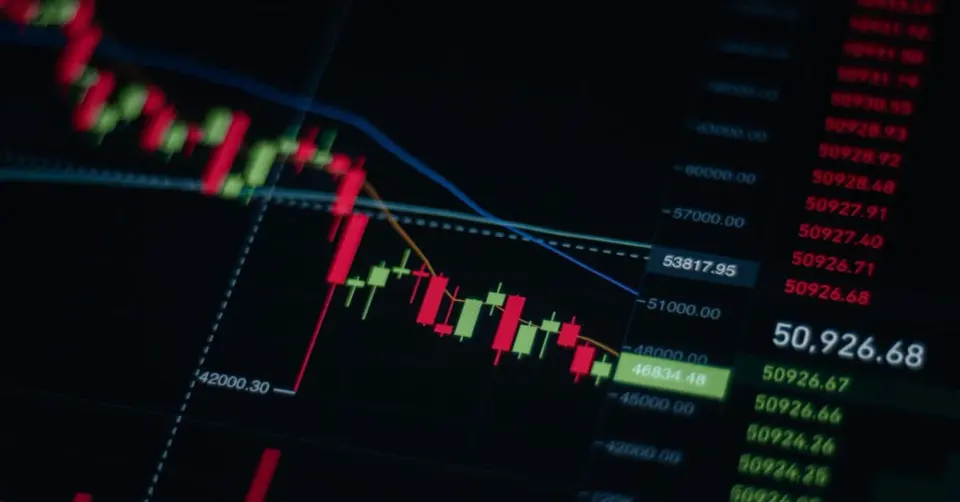
US Jobs Data Rattles Markets: Gold Drops as Rate Hike Bets Rise
The US labor market showed unexpected resilience in August, adding 162,000 jobs and surpassing economist forecasts. This "blowout" report has immediately shifted market expectations toward a potential interest rate hike by the Federal Reserve in its upcoming September meeting. Strong employment figures suggest that the US economy is not cooling as fast as hoped, giving the Fed room to keep rates higher for longer to combat stubborn inflation.
The reaction in the commodities and crypto markets was swift. Gold 18k in Tehran dropped 1.3% to 23,031,995 Toman per gram, mirroring a global retreat in precious metals as the US Dollar strengthened. Bitcoin, meanwhile, managed to hold above the $79,000 mark at $79,353, despite paring some of its earlier gains. For investors, the takeaway is clear: the era of "easy money" is not returning just yet, and the stronger dollar is likely to keep pressure on both gold and emerging market currencies in the short term.
Strengthening the East: Iran and Russia Coordinate at BRICS
On the sidelines of the BRICS summit in Moscow, Iran’s Judiciary Chief Gholam-Hossein Mohseni-Ejei met with the head of Russia’s Supreme Court to reinforce judicial and political cooperation. Russian officials praised Iran’s "resilience" against Western sanctions and reaffirmed Moscow’s support for Tehran amidst growing geopolitical pressure. This meeting highlights the deepening institutional ties between the two nations as they seek to build an alternative financial and legal infrastructure outside of Western influence.
This diplomatic alignment is crucial for Iran’s long-term economic strategy, particularly as it faces renewed scrutiny over its regional activities. By leveraging the BRICS platform, Tehran hopes to mitigate the impact of US-led sanctions and secure new trade routes that are less vulnerable to Western interference. For the average Iranian citizen, these high-level meetings represent a pivot toward a multi-polar world, though the immediate relief for the Toman's purchasing power remains to be seen.
Frequently Asked Questions
چرا پیشروی حوثیها به سمت بابالمندب برای بازار ایران مهم است؟
دلیل اصلی ریزش ۱.۳ درصدی قیمت طلا در بازار امروز چه بود؟
تصرف ارتفاعات علیالطاهر توسط اسرائیل چه اهمیتی دارد؟
The Strategic Importance of Maritime Choke Points: The Case of Bab al-Mandab
Global trade relies heavily on efficient maritime routes, and at the heart of these routes lie critical "choke points"—narrow channels or straits that concentrate vast volumes of shipping traffic. These geographical bottlenecks, while facilitating efficient transit, also represent significant vulnerabilities. Any disruption, whether from geopolitical conflict, piracy, or natural disaster, can send ripple effects across the global economy, impacting supply chains, energy prices, and even the cost of everyday goods. Understanding these choke points is key to grasping the fragility of interconnected global commerce.
One of the most vital and currently threatened maritime choke points is the Bab al-Mandab Strait. Located between Yemen on the Arabian Peninsula and Djibouti and Eritrea on the Horn of Africa, it connects the Red Sea to the Gulf of Aden and the Indian Ocean. This strategic waterway is a gateway for ships transiting to and from the Suez Canal, making it a crucial conduit for a significant portion of the world's oil and natural gas shipments, as well as container traffic carrying manufactured goods between Asia and Europe. Millions of barrels of oil and billions of dollars worth of goods pass through this narrow passage daily.
Recent Houthi offensives in the region highlight the profound risks associated with such disruptions. When commercial vessels face threats in Bab al-Mandab, shipping companies are often forced to reroute their journeys, taking the much longer and more expensive route around the Cape of Good Hope at the southern tip of Africa. This adds weeks to transit times, significantly increases fuel costs, and drives up insurance premiums, all of which ultimately translate into higher prices for consumers and slower delivery of goods. The resulting "supply chain fears" can also ripple into financial markets, affecting commodity prices like oil and even safe-haven assets like gold.
The interconnectedness of global trade means that a localized conflict in a seemingly distant strait can have far-reaching economic consequences. Disruptions at Bab al-Mandab illustrate how geopolitical instability can directly translate into tangible economic costs worldwide, underscoring the delicate balance required to maintain the flow of international commerce. It serves as a stark reminder that the smooth functioning of global markets is often contingent on the security of these vital, yet vulnerable, maritime arteries.
Topics
Related Articles