Kharg Island Mystery Explosions and IAEA Deadlock: Iran's Oil Hub and Diplomacy Under Pressure
انفجارهای مشکوک در نزدیکی جزیره خارگ و بنبست آژانس؛ فشار بر شریان نفتی و دیپلماسی ایران
Reports of explosions near Iran's primary oil terminal at Kharg Island have sent ripples through regional security channels, while a new US-E3 push for an IAEA resolution marks a deepening diplomatic crisis. In the markets, gold prices in Tehran have climbed 2% as Bitcoin remains trapped in a narrow trading range.
At time of publishing
USD
222,200
Toman
Gold 18K
23.60M
Toman / gram
Bitcoin
$79,723
US Dollar
Tether
222,200
Toman
The Diplomatic Standoff: IAEA and the 'Snapback Illusion'
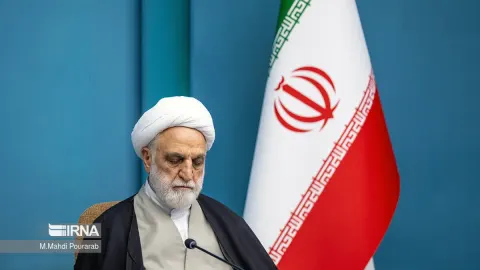
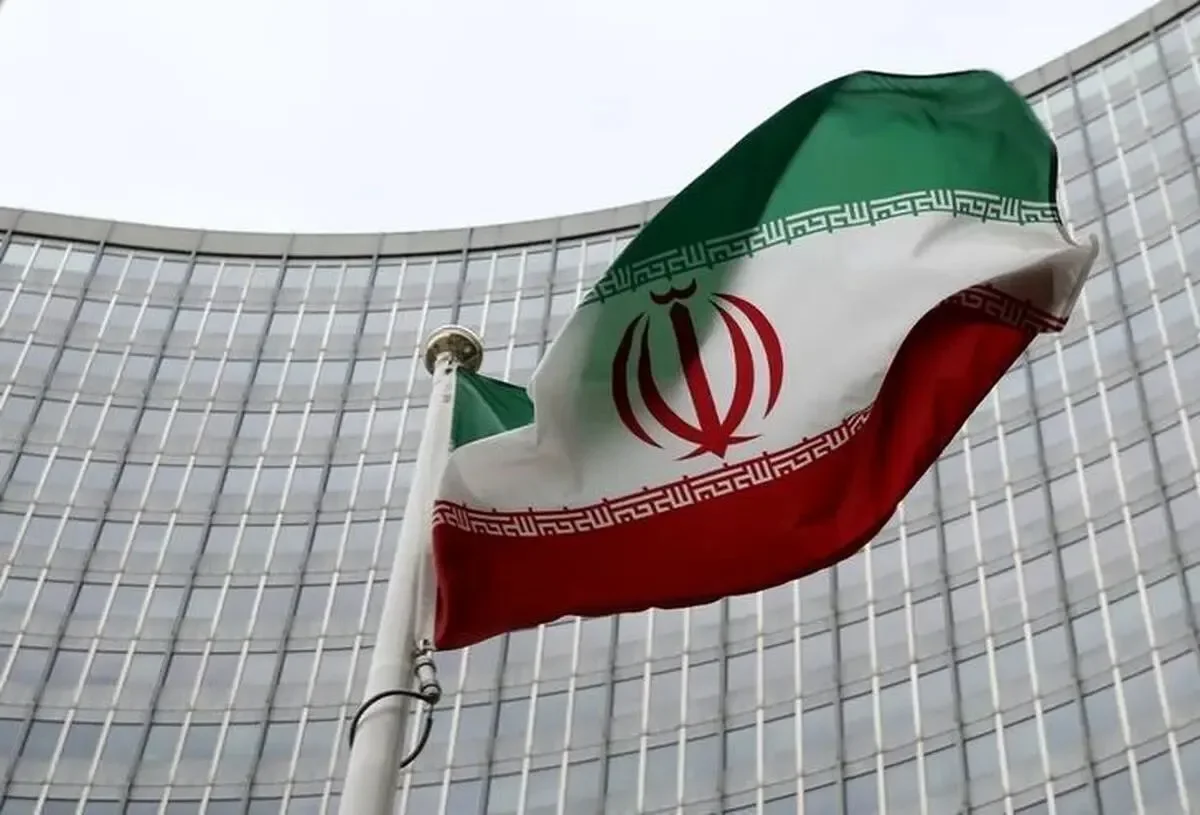
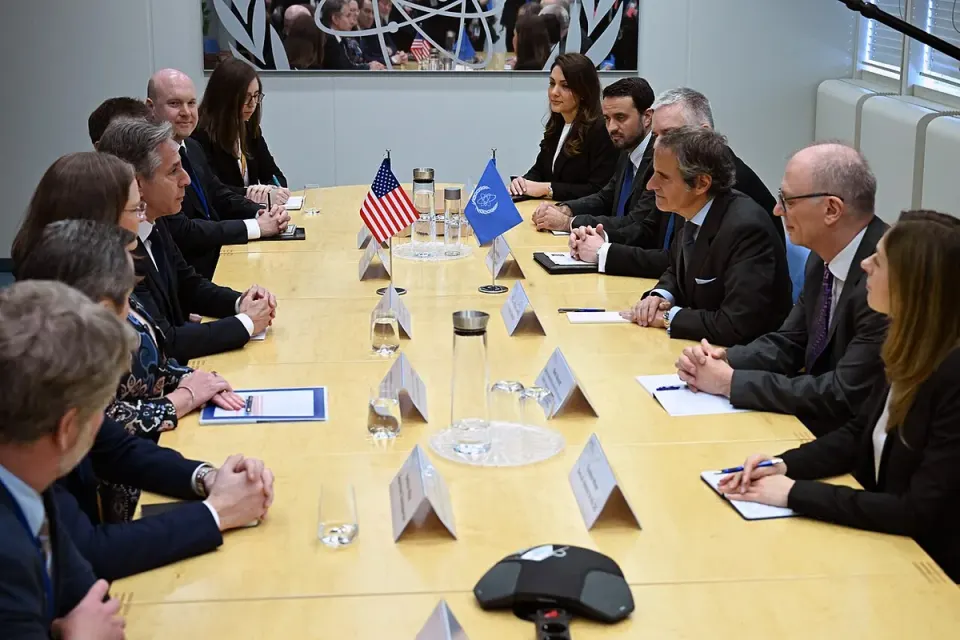
Iran’s permanent mission to international organizations in Vienna has issued a sharp rebuke against a renewed push by the United States and the E3—Germany, Britain, and France—to refer Iran’s nuclear dossier back to the UN Security Council. According to reports from IRNA, the Iranian mission characterizes this move as a desperate attempt to revive the 'snapback' mechanism, which they claim has already failed as a viable diplomatic tool. This escalation comes at a critical juncture where the remaining frameworks of the 2015 nuclear deal are increasingly viewed as obsolete by Western powers, leading to a more confrontational stance in the halls of the International Atomic Energy Agency.
For the average observer, this diplomatic friction is more than just rhetoric; it serves as a primary driver for market sentiment within Iran. The threat of a formal resolution at the IAEA often precedes a tightening of the sanctions net, which historically correlates with increased volatility in the foreign exchange market. By dismissing the Western strategy as an 'illusion,' Tehran is signaling its refusal to make further concessions under pressure, setting the stage for a high-stakes showdown in the coming weeks that could redefine Iran's relationship with the global financial system.
Mystery Explosions Near Kharg Island
Security concerns intensified this morning following reports from semi-official news agencies, including Fars, regarding explosions of unknown origin heard near Kharg Island in the Persian Gulf. Kharg Island is the lifeblood of Iran’s economy, serving as the primary terminal for the vast majority of the country's crude oil exports. While state-affiliated sources like Nournews have noted unconfirmed reports suggesting a potential missile strike by external forces, no official confirmation of damage or the source of the blast has been provided. The ambiguity surrounding the event has already begun to impact regional risk assessments.
Any threat to Kharg Island is viewed with extreme gravity by international markets because of its role in global energy security. If the reports of an attack are validated, it would represent a significant escalation in the ongoing shadow war characterizing regional geopolitics. For the Iranian public, such incidents directly translate into fears of supply chain disruptions and further economic instability. The government’s response in the next few hours will be critical in determining whether this was an isolated technical incident or a targeted act of aggression that requires a strategic counter-response.

Market Reaction: Gold Surges as Bitcoin Stalls
Domestic markets in Iran have reacted swiftly to the brewing geopolitical storm. Gold 18k per gram has seen a notable increase, rising from 23,142,804 to 23,604,506 Toman, a 2.0% jump within a 24-hour window. This move reflects a classic flight to safety by local investors who are hedging against potential currency devaluation and regional instability. Meanwhile, the Emami coin also edged higher, moving from 234,000,000 to 235,000,000 Toman (+0.4%), suggesting that while the broader market is cautious, the demand for physical gold remains robust as a store of value.
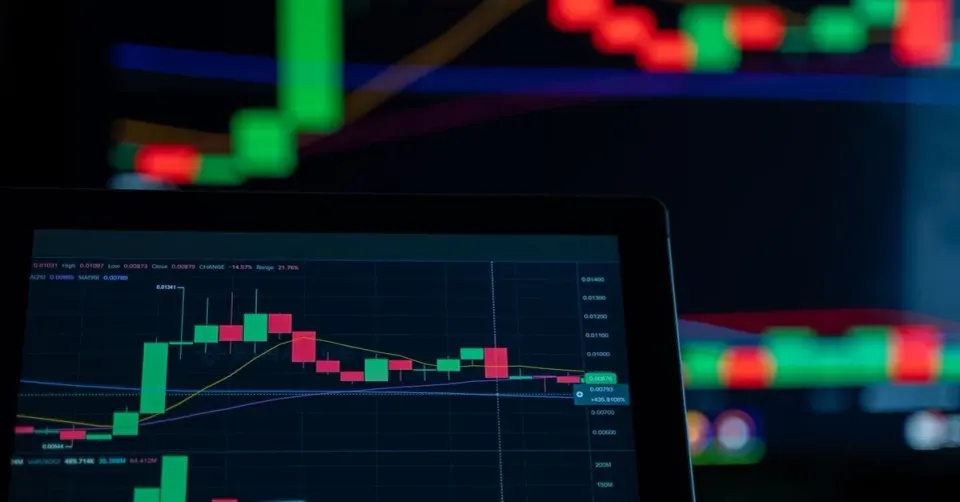
In the digital asset space, Bitcoin is exhibiting a 'Doji' signal on the daily charts, currently trading at $79,723. This technical pattern typically indicates a state of indecision in the market, where neither buyers nor sellers have gained the upper hand. Bitcoin has remained stuck in a relatively tight $4,000 range, reflecting global uncertainty regarding the Federal Reserve's next moves and the broader macroeconomic outlook. For Iranian crypto traders, the stability of the Tether (USDT) price at 222,200 Toman, mirroring the official USD sell rate, provides a temporary anchor, though the underlying tension suggests that a breakout in either direction could be imminent.
AI Politics and Global Climate Extremes
Beyond the immediate regional conflict, the use of technology in political warfare has reached a new milestone. Israeli Prime Minister Benjamin Netanyahu recently posted an AI-generated video featuring fictitious scenes involving Iranian figures and US political actors. This move highlights the growing role of deepfake technology and generative AI in shaping international narratives and conducting psychological operations. As AI tools become more sophisticated, the ability of the public to discern fact from manufactured propaganda is being severely tested, raising significant ethical questions for global regulators.
Simultaneously, the planet continues to deliver reminders of environmental volatility. Sydney, Australia, has reached 33°C, marking its warmest start to spring since records began at Observatory Hill in 1858. Paradoxically, while the east coast swelters, snow is being forecast for southern New South Wales. These extreme weather shifts are increasingly being factored into global economic models as they impact everything from agricultural yields to insurance premiums, serving as a backdrop to the geopolitical and financial dramas unfolding in the Middle East and beyond.
Frequently Asked Questions
Why is the report of explosions near Kharg Island significant for the economy?
What does the 'Snapback Illusion' mentioned by the Iranian mission refer to?
What is a 'Doji' signal in Bitcoin trading and why does it matter now?
The "Snapback" Mechanism in International Sanctions
The term "snapback mechanism" refers to a specific provision in international agreements, most notably the Joint Comprehensive Plan of Action (JCPOA), or the Iran nuclear deal. This mechanism is designed to allow for the swift re-imposition of international sanctions that were previously lifted, should a party to the agreement be found in non-compliance with its obligations. Unlike traditional sanction processes that might require new resolutions and potentially face vetoes from permanent members of the UN Security Council, the snapback provision streamlines the re-establishment of punitive measures.
In the context of the Iran nuclear deal, the snapback mechanism was a crucial element intended to provide a robust enforcement tool. It allowed any participating state (specifically, the P5+1 nations: China, France, Russia, the United Kingdom, the United States, plus Germany) to trigger the return of all UN sanctions against Iran if they believed Iran was violating the terms of the agreement. This process was structured to prevent any single permanent member from blocking the re-imposition of sanctions through a veto, effectively reversing the burden of proof and the political cost associated with maintaining sanctions relief.
Understanding the snapback mechanism is vital for comprehending the intricate dynamics of nuclear diplomacy and international sanctions regimes. It represents an innovative attempt to create a credible deterrent and a rapid response capability within complex multilateral agreements. While controversial and subject to differing interpretations regarding its implementation and legality, it remains a significant concept in discussions surrounding non-proliferation treaties and the enforcement of international law, particularly when dealing with states accused of violating their commitments. Its application and potential activation continue to be a focal point in the ongoing diplomatic efforts concerning Iran's nuclear program.