
Guinness Heist in Britain and Ghalibaf’s Warnings Shake Markets as Bitcoin Eyes $80,000
سرقت بزرگ در بریتانیا و هشدارهای تند قالیباف؛ بیتکوین در یک قدمی ۸۰ هزار دلار
A massive heist of 800 Guinness barrels in England highlights rising physical asset theft, while Speaker Ghalibaf warns of harsh responses to aggression as regional tensions flare. Meanwhile, Bitcoin hovers near the $80,000 milestone amid shifting trade policies.
At time of publishing
USD
226,100
Toman
Gold 18K
23.41M
Toman / gram
Bitcoin
$79,979
US Dollar
Tether
225,837
Toman
The Great Guinness Heist: Supply Chain Vulnerabilities in Britain
In a bizarre yet significant breach of industrial security, thieves in northwestern England managed to steal approximately 800 barrels of Guinness from an industrial park. The theft, valued at roughly $155,000, has prompted a major investigation by British police. While a heist of stout might seem like a local crime story, it underscores a growing trend of organized groups targeting physical commodities as supply chain disruptions and inflation make bulk goods more liquid and easier to move on the black market. The precision of the operation suggests that industrial parks, often the backbone of logistics, remain surprisingly vulnerable to high-stakes theft.
For the broader market, this incident highlights the rising costs of insurance and security for logistics firms already struggling with labor shortages and fluctuating fuel prices. When essential goods—even luxury or consumer items like Irish stout—can be siphoned off in such volume, it adds a layer of risk to the 'just-in-time' delivery models that many businesses rely on. For investors, it is a reminder that physical security is increasingly becoming a factor in operational costs, particularly in regions where economic pressure is mounting.

Geopolitical Rhetoric: Ghalibaf Warns of 'Harsher Consequences'
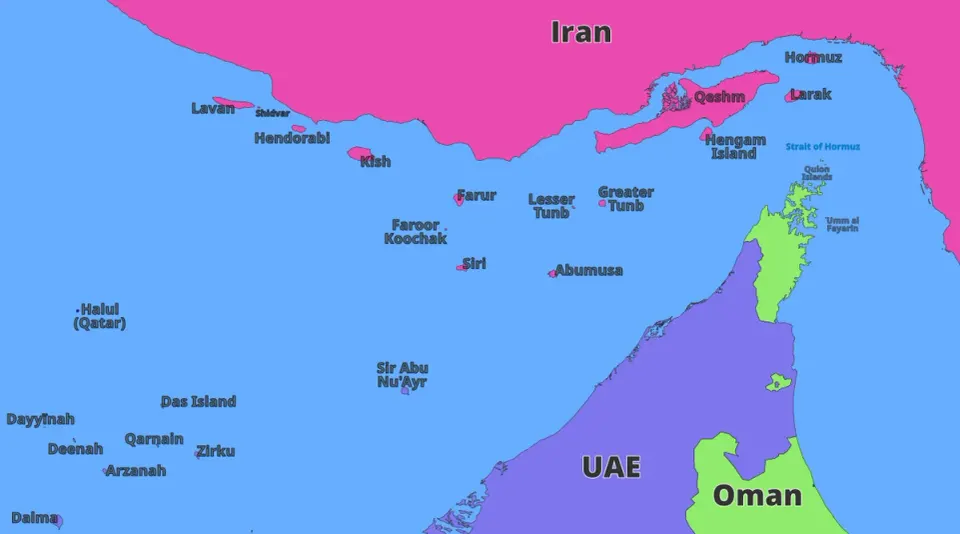
Speaker of the Iranian Parliament, Mohammad Bagher Ghalibaf, issued a stern warning today, stating that any aggression against Iran’s interests would be met with a "faster, heavier, and more painful response." According to reports from the state-run IRNA news agency, Ghalibaf's comments come at a time of heightened friction in the Persian Gulf. This rhetoric follows claims from Iranian sources that they recently targeted an unmanned U.S. vessel attempting to enter the Strait of Hormuz. While these claims are part of a broader pattern of escalatory language, they serve to keep the 'risk premium' on regional energy transit high, impacting both oil futures and local currency sentiment.
This cycle of threats and counter-threats continues to weigh on the Iranian Toman, which remains sensitive to any signals of military escalation. For the average Iranian citizen, such statements are often a precursor to market volatility. While the official stance is one of strength and deterrence, the economic reality is that the threat of conflict complicates trade routes and scares off potential foreign investment. The market is currently pricing in this geopolitical tension, keeping the USD/IRR exchange rate in a state of high alert despite minor daily fluctuations.
Trade Wars and Industrial Fallout: From Honey to Jaguar Land Rover
Global trade is facing a pincer movement of protectionism and operational challenges. In Canada, the 'Honey Belt' of Alberta is reeling from a combination of poor weather and the impact of President Trump’s tariffs, which have hit the industry hard. Alberta produces nearly 40% of Canada’s honey, and the trade barriers are making it increasingly difficult for producers to remain profitable. This situation mirrors a wider global trend where agricultural and industrial sectors are being used as leverage in diplomatic disputes, leading to higher consumer prices and decimated local economies.
Simultaneously, the UK automotive giant Jaguar Land Rover is facing a crisis of its own. Reports indicate that thousands of job cuts are expected as the company’s minister prepares to meet with leadership. The firm is battling the dual headwinds of new tariffs and the lingering effects of a massive cyberattack that occurred last year. This serves as a cautionary tale for the global economy: the transition to green energy and digital infrastructure is not enough to protect legacy industries from the raw impact of trade wars and digital insecurity. For the global market, this signals a period of contraction for traditional manufacturing hubs.
Market Snapshot: Bitcoin Nears $80,000 as Toman Remains Volatile
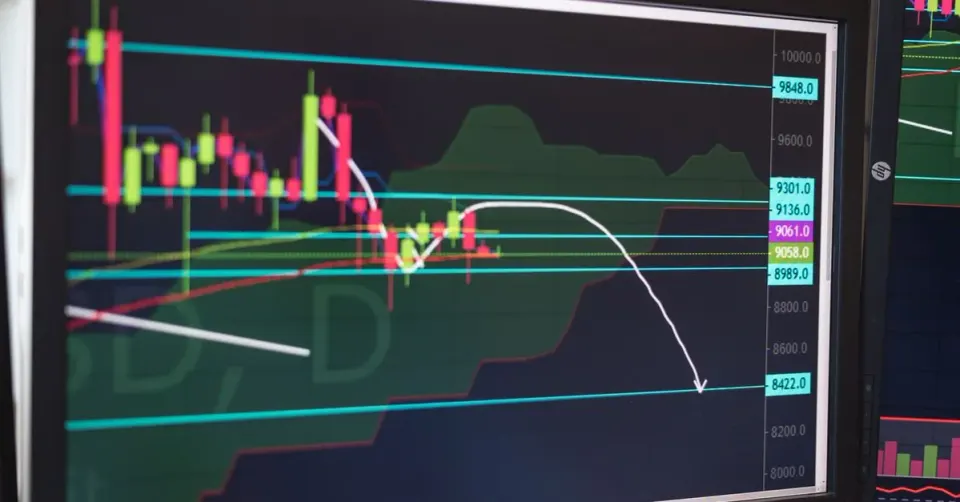
In the financial markets, Bitcoin is the star of the hour, trading at $79,979 and flirting with the historic $80,000 level. This surge is largely driven by sustained corporate demand and a clearer outlook on U.S. crypto policy, which has revitalized investor confidence. As institutional players continue to accumulate, the psychological barrier of $80k seems more like a stepping stone than a ceiling. For Iranian crypto enthusiasts, this rally provides a hedge against local currency depreciation, even as global markets remain cautious about broader economic stability.
Locally, the Iranian Toman saw a slight appreciation over the last 24 hours. The USD sell price moved from 226,800 to 226,100 Toman, marking a 0.3% decrease. However, the gold market showed mixed signals; while 18k gold rose slightly by 0.1% to 23,408,282 Toman per gram, the Emami coin dropped by 1.1% to 235,000,000 Toman. This divergence suggests that while the currency is holding steady for now, investors are rebalancing their portfolios in anticipation of the geopolitical shifts mentioned by Ghalibaf and the ongoing tensions in the Strait of Hormuz.
Frequently Asked Questions
چرا قیمت بیتکوین به مرز ۸۰ هزار دلار نزدیک شده است؟
تأثیر هشدارهای قالیباف بر بازار ارز ایران چیست؟
دلیل بحران در شرکت جگوار لندروور چیست؟
Understanding Geopolitical Risk and Its Market Impact
Geopolitical risk refers to the potential for political events, conflicts, or instability between countries or regions to disrupt global economic activity and financial markets. These events can range from international disputes, trade wars, and military conflicts to regime changes, terrorist attacks, and even significant policy shifts by major powers. Unlike purely economic factors, geopolitical risks introduce an element of unpredictability and often carry far-reaching consequences that can ripple across industries and asset classes worldwide.
When geopolitical tensions escalate, such as warnings from political figures like Ghalibaf or heightened friction in critical shipping lanes like the Strait of Hormuz, investor confidence can quickly erode. Markets react by becoming more volatile: stock prices may fall as companies face uncertainty in supply chains or demand, commodity prices (especially oil) can surge or plummet based on perceived supply disruptions, and currency exchange rates, like the USD/IRR, can experience sharp fluctuations as capital seeks safer havens or reacts to sanctions and economic pressures.
The interconnectedness of the global economy means that a crisis in one region can have a cascading effect. For instance, concerns over the Strait of Hormuz, a vital chokepoint for global oil shipments, directly impact energy markets worldwide, affecting everything from gasoline prices to the operational costs of businesses. Even assets like Bitcoin, often touted as a hedge against traditional financial instability, can see significant price movements as investors re-evaluate risk and liquidity in response to major geopolitical developments, sometimes acting as a safe haven, other times moving in tandem with broader risk-off sentiment.
Understanding geopolitical risk is crucial for anyone monitoring global markets, as it provides context for seemingly disparate news items. From specific trade tariffs to regional conflicts, these events are not isolated; they are threads in a larger tapestry of international relations that profoundly influence economic forecasts and investment decisions, requiring constant vigilance from policymakers and investors alike.