Strait of Hormuz Flare-Up: IRGC Engages US Vessels as Markets React to Geopolitical Tensions
تنش در تنگه هرمز: درگیری سپاه با شناورهای آمریکایی و واکنش بازارها به تحولات ژئوپلیتیک
Overnight, reports from Iranian state media indicate a significant escalation in the Strait of Hormuz, with the IRGC claiming engagement with US unmanned vessels and targeting an aircraft carrier. This geopolitical flashpoint is immediately impacting market sentiment, particularly as concerns rise over oil transit and regional stability. Meanwhile, China faces a grim job market, compounded by AI's growing influence, and a volcanic eruption disrupts air travel in Indonesia.
At time of publishing
USD
226,900
Toman
Gold 18K
23.71M
Toman / gram
Bitcoin
$79,987
US Dollar
Tether
228,423
Toman
Market Open
As the trading day commences, global markets are keenly observing the geopolitical landscape, particularly the escalating tensions in the Strait of Hormuz. The Iranian Toman showed minimal movement against the US Dollar overnight, holding steady at 226,900 Toman for a dollar, a negligible +0.0% change. This stability, however, may be deceptive as underlying anxieties about regional stability could easily shift sentiment throughout the day, especially given the Strait's critical role in global energy trade.
In contrast, gold has seen an upward trend, with the 18k gold gram rising by +1.4% to 23,713,006 Toman, reflecting its traditional role as a safe-haven asset during times of uncertainty. The Emami coin, however, experienced a slight dip of -0.2%, settling at 237,000,000 Toman. Bitcoin, often seen as a barometer for global risk appetite, is currently trading at 79,987 USD, with its 24-hour delta not provided, but its general direction is often influenced by broader geopolitical and macroeconomic shifts. Investors will be watching closely to see how these dynamics play out as the day progresses.
Strait of Hormuz Flare-Up: IRGC Confronts US Military
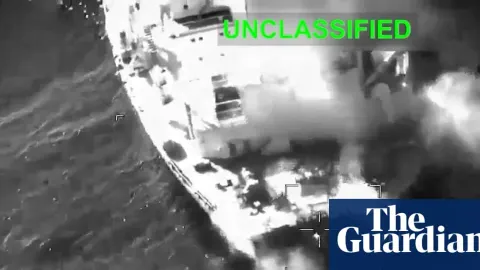
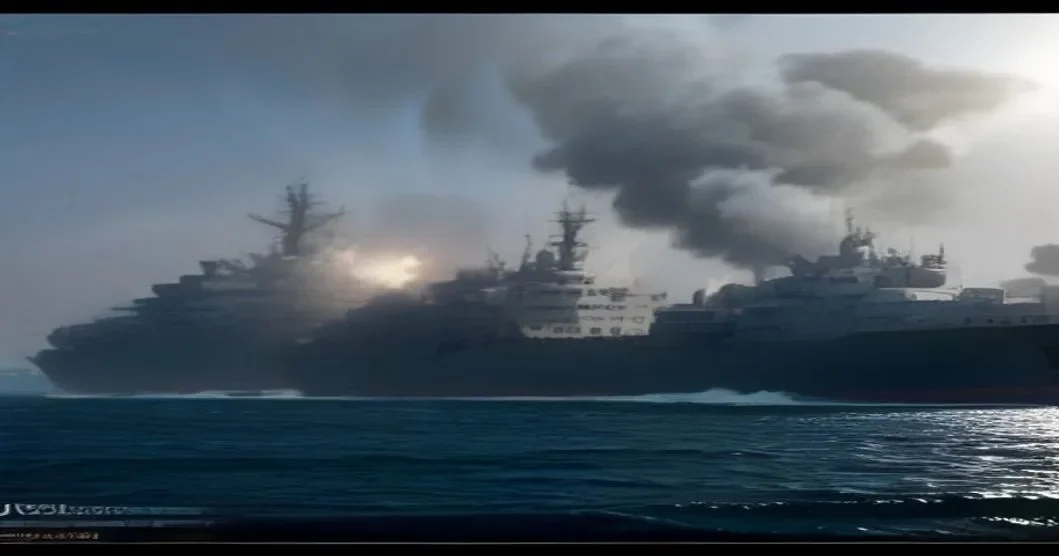
Overnight, reports from Iran's state media, IRNA, indicated a significant and concerning escalation in the Strait of Hormuz. The Islamic Revolution Guards Corps (IRGC) Naval Forces reportedly engaged a US military unmanned surface vessel (USV) that was attempting to enter what the IRGC described as the "protected area" of the Strait. This incident was followed by claims from the IRGC's Aerospace Force that it had targeted a US aircraft carrier and a destroyer with ballistic missiles during an ongoing maritime confrontation. Furthermore, IRNA reported that the IRGC Navy had responded to alleged US aggression against three Iranian tankers by firing three missiles from Sirik toward the Strait of Hormuz.
These events unfold in one of the world's most critical maritime chokepoints, through which a substantial portion of global oil and liquefied natural gas transits daily. The IRGC's actions, if confirmed by independent sources, represent a direct and serious confrontation with US forces, significantly elevating the risk profile of the region. This aggressive posture, framed by Iranian state media as a response to perceived US provocations, signals a dangerous new phase in the long-standing tensions between Tehran and Washington.
Such an escalation carries profound implications for global energy markets, shipping insurance rates, and regional stability. Any disruption to the flow of oil through the Strait of Hormuz could trigger a sharp spike in crude prices, impacting economies worldwide. For Iran, these actions could invite further international condemnation and potentially intensify existing sanctions, directly affecting the country's economic outlook and the value of its currency. The immediate aftermath will likely see increased diplomatic efforts to de-escalate, but the underlying risks remain acutely high, keeping global investors on edge.
China's Youth Face Dire Job Market Amid AI Revolution
China is currently grappling with a formidable challenge: a record 12.7 million young people are entering a job market already struggling to absorb its existing workforce. This dire situation is exacerbated by the rapid advancement and adoption of artificial intelligence, which is increasingly upending traditional employment sectors. As the country embraces AI as a driver of economic growth and technological leadership, it simultaneously faces the social and economic fallout of automation and job displacement, creating a complex dilemma for policymakers.
The confluence of a slowing economy, demographic shifts, and the accelerating pace of technological change means that many new graduates are finding their skills quickly becoming obsolete or their desired roles being automated. This isn't just an economic issue; it carries significant social implications, potentially leading to increased social unrest and a brain drain if talented individuals see limited opportunities at home. The government's challenge is to foster innovation and growth through AI while simultaneously creating new job pathways and retraining programs for a generation facing unprecedented career uncertainty.

This situation in China offers a glimpse into a potential future for other economies globally as AI integration continues its inexorable march. While AI promises increased productivity and new industries, its immediate impact on labor markets, particularly for entry-level positions, is a critical concern. The Chinese experience highlights the urgent need for governments and educational institutions worldwide to adapt quickly, preparing their workforces for a dramatically different employment landscape where human-AI collaboration, rather than competition, will be key.
Indonesian Volcano Eruption Disrupts Air Travel
In Southeast Asia, a significant natural event has caused widespread disruption: a volcano eruption in Indonesia has triggered extensive flight suspensions at Jakarta's main airport. The eruption spewed a substantial amount of ash into the atmosphere, rendering airspace unsafe for commercial flights. As a direct consequence, over 20,000 passengers found themselves stranded, facing severe delays and cancellations across numerous routes, highlighting the fragility of air travel networks in the face of natural phenomena.
Indonesia, situated on the Pacific 'Ring of Fire,' is home to many active volcanoes, making such eruptions a recurring, albeit unpredictable, challenge. Volcanic ash poses a serious threat to aircraft engines, capable of causing them to fail, and also reduces visibility for pilots. The decision to suspend flights, while disruptive, is a necessary safety measure to prevent potential catastrophic incidents. The immediate impact is felt by travelers and airlines, but the ripple effects can extend to cargo logistics and tourism, affecting local economies.

The incident serves as a stark reminder of the constant interplay between natural forces and human infrastructure. While the immediate focus is on restoring normal flight operations and assisting stranded passengers, such events underscore the importance of robust disaster preparedness and resilient supply chains. For a country heavily reliant on air transport for both domestic and international connections, these disruptions, though temporary, can have a noticeable economic toll, impacting everything from fresh produce deliveries to international business travel schedules.
Frequently Asked Questions
What exactly happened in the Strait of Hormuz according to Iranian reports?
How might these Strait of Hormuz tensions affect global oil prices?
What is the current state of China's job market for young people?
How did the markets react to these overnight events?
What caused the flight disruptions in Indonesia?
Strategic Chokepoints: Why the Strait of Hormuz Shapes Global Energy Markets
The Strait of Hormuz is a classic example of a strategic chokepoint – a narrow maritime passage that funnels a disproportionate share of global trade. Roughly 20% of the world’s oil and a significant portion of liquefied natural gas pass through this 21‑mile‑wide strait each day, making it a vital artery for energy‑dependent economies. Because the route is so tight, any threat to safe navigation—whether from military confrontations, piracy, or sabotage—can instantly tighten global supply, prompting price spikes in oil and related commodities.
Geopolitical risk associated with chokepoints is often priced into markets through a risk premium. Traders anticipate the possibility of disruption and bid up futures contracts, which in turn lifts spot prices. This mechanism explains why news of the IRGC (Iranian Revolutionary Guard Corps) engaging U.S. vessels can cause oil to surge while investors simultaneously seek safe‑haven assets like gold. The heightened uncertainty forces market participants to hedge, driving up the price of gold as a store of value.
The ripple effects extend beyond energy. Countries that rely heavily on oil imports—such as China—face higher production costs, which can dampen industrial output and affect employment. Conversely, oil‑exporting nations like Iran may experience short‑term revenue gains if prices rise, but prolonged tension can also invite sanctions that cripple broader economic activity. Understanding chokepoints helps explain why a localized flashpoint can have worldwide economic repercussions.
Historically, disruptions in the Strait of Hormuz have coincided with some of the most volatile periods in oil markets, from the 1973 oil embargo to the 2019 tanker attacks. Each episode reinforced the lesson that geopolitical stability of maritime routes is as crucial to the global economy as the physical supply of oil itself. Policymakers therefore monitor chokepoints closely, employing diplomatic and naval strategies to keep these passages open.
In sum, the Strait of Hormuz illustrates how a narrow slice of water can wield outsized influence over global finance, energy security, and even labor markets far beyond the Middle East. Recognizing the role of strategic chokepoints equips analysts and citizens alike to better interpret market moves and geopolitical headlines.