Farage’s Reform UK Hit by Donation Scandal as Iran Targets China’s Copper Market Amid Tanker War
رسوایی مالی در حزب فاراژ و خیز ایران برای بازار مس چین در سایه جنگ نفتکشها
Nigel Farage admits undercover reports on illegal donations 'look bad' for Reform UK, while Tehran pivots toward high-value copper exports to China. Meanwhile, the resignation of the US Army Secretary exposes a leadership void as tensions in the Strait of Hormuz escalate.
At time of publishing
USD
226,400
Toman
Gold 18K
23.52M
Toman / gram
Bitcoin
$79,970
US Dollar
Tether
226,435
Toman
Political Turmoil in Westminster: Farage and the Reform UK Scandal
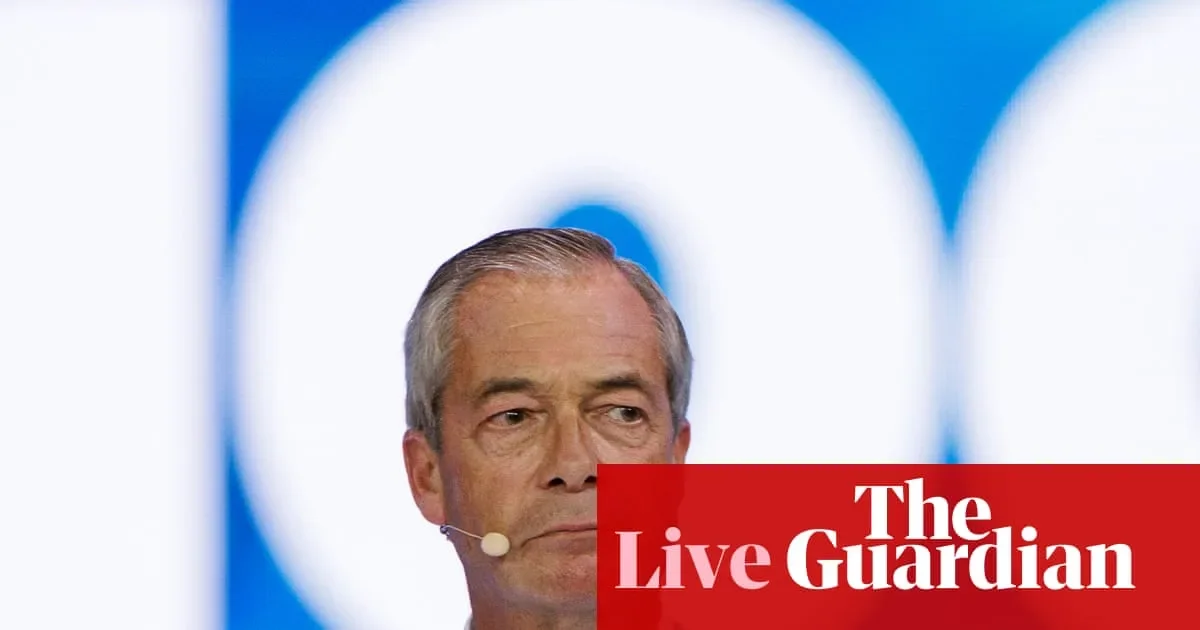
Nigel Farage, the leader of Reform UK, is facing a significant political crisis following an undercover investigation that suggests senior party aides attempted to bypass electoral laws regarding foreign donations. Farage admitted today that the reports "look bad" for the party, which has already been under fire for controversial comments made by its home affairs spokesperson, Zia Yusuf. Yusuf recently faced accusations of "straightforward racism" after questioning the British identity of Sagal Abdi-Wali, a former child refugee from Somalia and the current leader of Camden Council, who is tipped to contest a key London seat for the Labour Party.
This scandal comes at a precarious time for British politics as the new Labour government attempts to distance itself from the past while managing internal pressures over defense spending. The controversy surrounding Reform UK highlights a growing factionalism within the right-wing movement, which could have long-term implications for the UK's legislative stability. For international observers and markets, this instability in London often translates to volatility in the British Pound, though the currency remains relatively stable for now at 307,650 Toman in the Tehran market.

Tehran’s Strategic Pivot: The Race for China’s Copper Market
While political drama unfolds in Europe, Iran is making a concerted effort to diversify its export portfolio by targeting China’s massive appetite for copper. Iran’s commercial attaché in Shanghai reported today that Tehran is seeking a much larger share of the growing market for copper derivatives and high-value-added products. This move is seen as a strategic attempt to mitigate the impact of Western oil sanctions by leveraging raw and semi-processed minerals. State media outlets have emphasized the importance of the upcoming Iran Expo 2026, which is expected to host over 1,500 foreign traders as the country tries to bridge the gap between domestic production and international demand.
However, the success of this pivot remains uncertain. While China is a willing partner, the logistical challenges of shipping high-value goods through contested waters remain a significant hurdle. Furthermore, the reliance on copper as a primary revenue driver exposes the Iranian economy to the price fluctuations of global commodities. As of today, the domestic gold market in Iran has seen a slight uptick, with 18k gold rising from 23,385,197 to 23,523,708 Toman (+0.6%), reflecting a hedge against broader economic uncertainty and the potential for further currency devaluation.
The Tanker War and the US Leadership Crisis
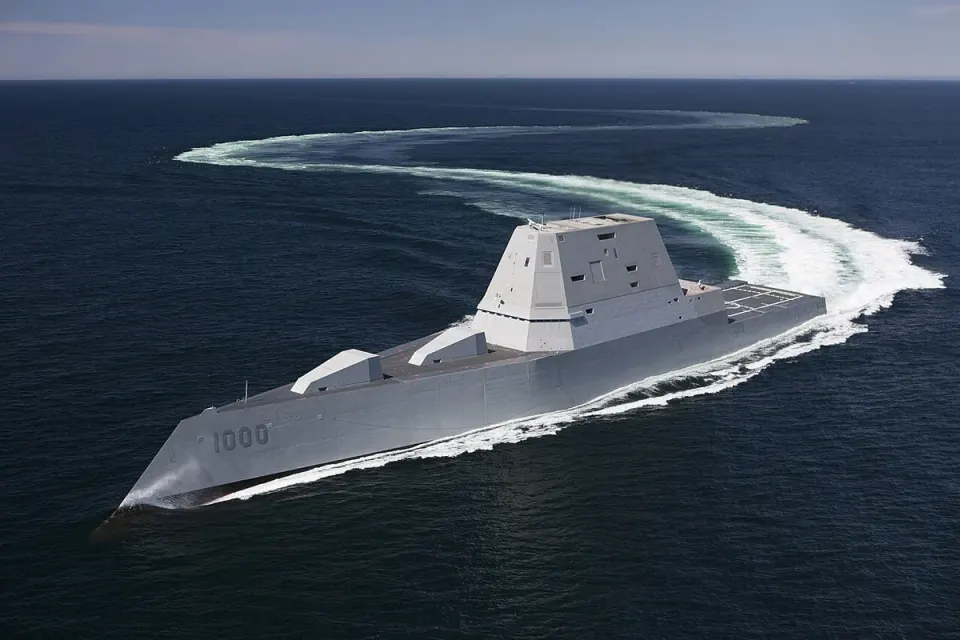
The geopolitical situation in the Middle East has taken a darker turn as the "tanker war" in the Strait of Hormuz continues to escalate. Both US and Iranian forces have been engaged in a months-long conflict over control of the strategic waterway, with recent strikes on commercial vessels raising fears of a total blockade. This tension is compounded by a sudden leadership crisis in Washington; US Army Secretary Dan Driscoll resigned today, citing a "factional clash" with Defense Secretary Pete Hegseth. This internal rift within the Pentagon comes at a moment when a unified military command is most needed to manage the escalating risks in the Persian Gulf.
For the global economy, the Strait of Hormuz is the world's most important oil transit point. Any prolonged disruption could send energy prices skyrocketing, though Bitcoin has surprisingly remained a favored asset for those looking to exit traditional fiat systems during such crises, currently trading at $79,970. In the local Tehran market, the US Dollar saw a minor correction, moving from 226,800 to 226,400 Toman (-0.2%), while the Emami coin dropped from 237,500,000 to 235,000,000 Toman (-1.1%). The divergence between rising gold prices and falling coin prices suggests a cooling of the speculative bubble in the domestic coin market even as global risks intensify.
Frequently Asked Questions
Why is the donation scandal in Reform UK significant for markets?
How is Iran planning to use the copper market to bypass sanctions?
What does the resignation of the US Army Secretary mean for the Strait of Hormuz?
Understanding Geopolitical Chokepoints: The Strait of Hormuz
Geopolitical chokepoints are narrow maritime passages or land routes that are critically important for global trade, energy supply, and military strategy. Their strategic significance stems from the sheer volume of goods, particularly oil and natural gas, that must pass through them to reach international markets. Any disruption or threat to these chokepoints can have far-reaching economic and political consequences, impacting global commodity prices, supply chains, and international relations. They represent vulnerable points in the global infrastructure that nations often seek to control or secure.
One of the most prominent and frequently discussed geopolitical chokepoints is the Strait of Hormuz. Located between Oman and Iran, this narrow waterway connects the Persian Gulf to the Arabian Sea and is the sole sea passage from the Persian Gulf to the open ocean. It is arguably the world's most important oil transit chokepoint, with a significant portion of the world's seaborne oil and liquefied natural gas (LNG) passing through it daily. Its strategic importance makes it a flashpoint for regional tensions and international concerns, as any conflict or blockade could severely impact global energy markets.
The implications of disruptions in the Strait of Hormuz are profound. A closure or significant threat to shipping would lead to an immediate surge in oil and gas prices, sending shockwaves through the global economy. Nations reliant on these energy supplies would face economic instability, potentially triggering recessions and inflation. Furthermore, it could escalate regional conflicts into broader international confrontations, as major powers would be compelled to protect their economic interests and ensure the free flow of trade. The ongoing "tanker war" references in headlines underscore the constant vulnerability and the high stakes involved in maintaining stability in such critical areas.