Kushner Arrives in Kyiv After Moscow Talks as Iran Slams US Over Tanker Crimes
حضور کوشنر در کییف پس از مذاکره با پوتین؛ حمله تند ایران به آمریکا در سازمان همکاری اسلامی
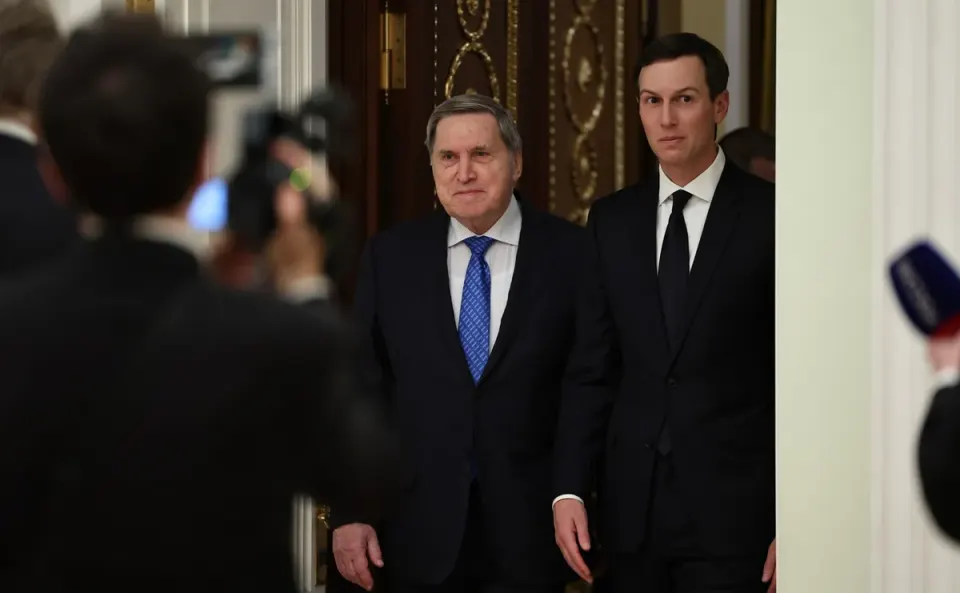
US envoys Jared Kushner and Steve Witkoff have reached Kyiv for high-stakes peace talks following a meeting with Vladimir Putin. Meanwhile, Iran has denounced US military actions in the Persian Gulf as 'barbaric' during an OIC mission statement.
At time of publishing
USD
226,900
Toman
Gold 18K
23.51M
Toman / gram
Bitcoin
$79,816
US Dollar
Tether
226,861
Toman
High-Stakes Diplomacy: Kushner and Witkoff in Kyiv
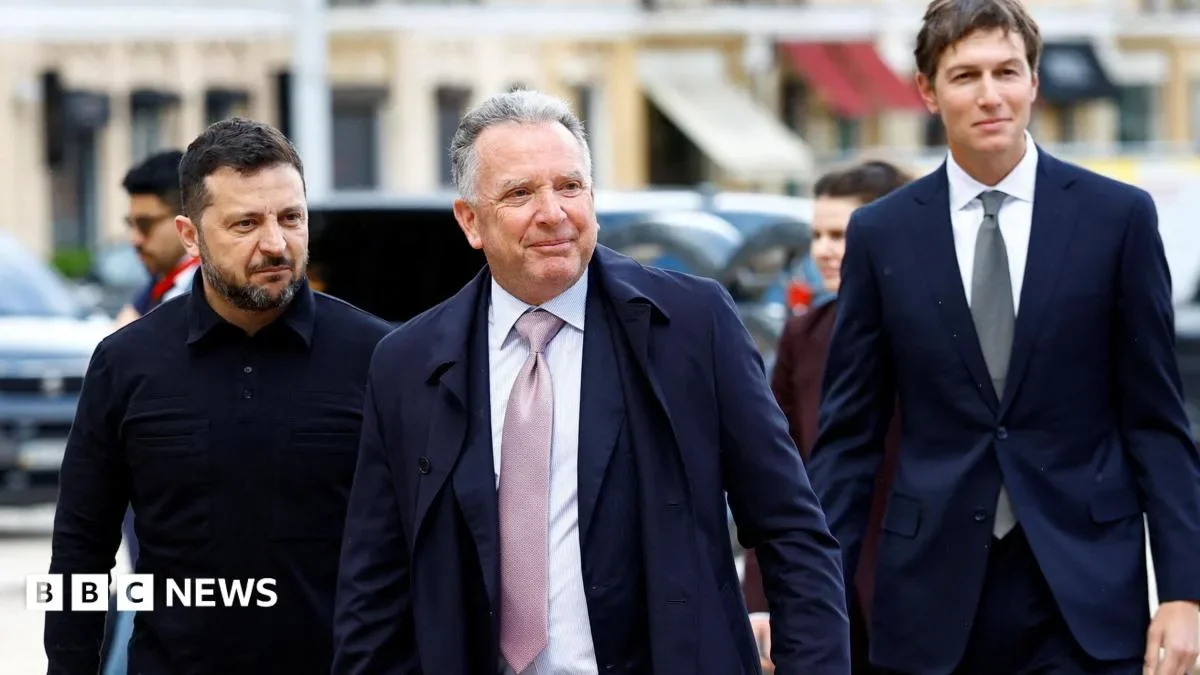
In a move that signals a potential shift in the geopolitical landscape, US negotiators Jared Kushner and Steve Witkoff have arrived in Kyiv for critical discussions with Ukrainian President Volodymyr Zelensky. This visit is particularly significant as it follows a direct meeting with Russian President Vladimir Putin in Moscow just a day prior. The envoys were seen meeting Zelensky in front of the historic Saint Sophia Cathedral, a location steeped in symbolic importance for Ukrainian sovereignty. The presence of Kushner, a figure often associated with backchannel diplomacy and high-level deal-making, suggests that a new framework for ending the conflict may be under serious consideration by the current US administration.
The implications of these talks are profound for global markets, particularly in terms of energy stability and risk appetite. If these negotiators can bridge the gap between Moscow’s demands and Kyiv’s red lines, the resulting de-escalation could lead to a significant cooling of oil prices and a rotation out of safe-haven assets like gold. However, the secrecy surrounding the 'substantive plans' discussed in Moscow keeps investors on edge. For now, the market is watching for any joint statement that might indicate a ceasefire or a roadmap for territorial negotiations, which would fundamentally alter the global economic outlook for 2026.
Iran Denounces US 'Barbaric Crimes' at OIC Mission
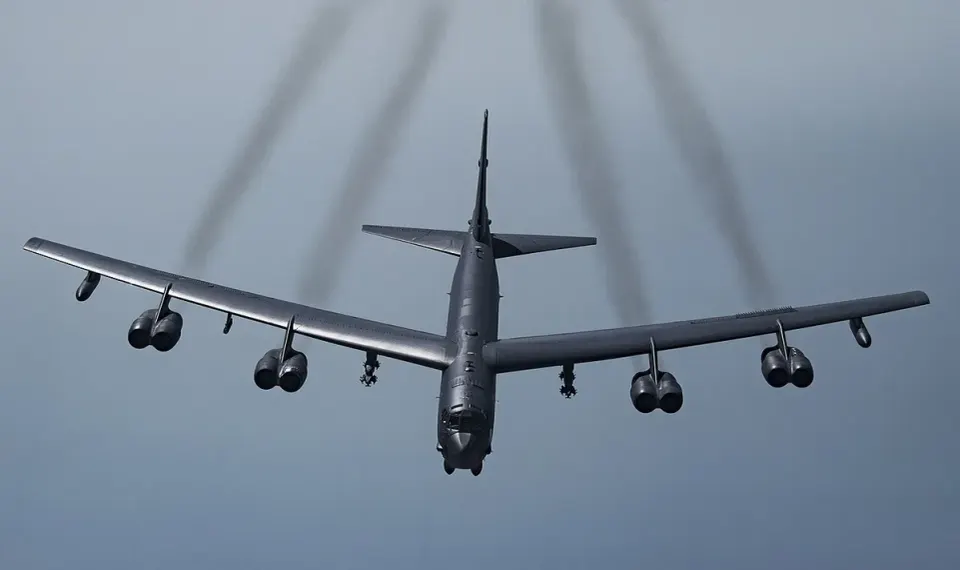
Tensions in the Middle East have reached a new diplomatic boiling point as Iran’s mission to the Organization of Islamic Cooperation (OIC) issued a scathing condemnation of the United States military. The statement specifically targeted what Tehran calls 'barbaric and illegal' attacks on Iranian oil tankers, rejecting the US military's characterization of civilian casualties as mere 'mistakes.' This rhetorical escalation comes at a time when the 'tanker war' in the Persian Gulf has already disrupted shipping lanes and increased insurance premiums for maritime trade. By taking this issue to the OIC, Iran is attempting to galvanize regional support against US naval presence in the region.
This diplomatic friction has a direct impact on the Iranian domestic market, specifically the valuation of the Toman and the price of gold. As of this hour, the USD sell rate in Tehran stands at 226,900 Toman, remaining relatively flat (+0.0%) over the last 24 hours, suggesting that the market has already priced in a certain level of ongoing regional tension. However, the 0.5% rise in 18k gold to 23,512,165 Toman per gram reflects a persistent undercurrent of anxiety among local investors who view precious metals as a necessary hedge against potential military escalation or further sanctions.
UK Political Turmoil: Farage and the Reform UK Scandal
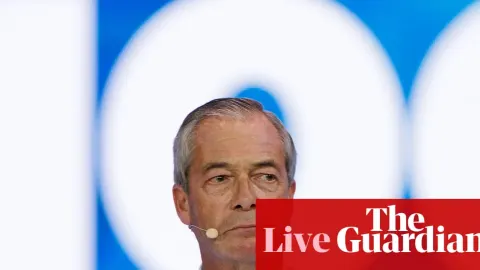
Across the Atlantic, British politics is grappling with a burgeoning scandal involving Nigel Farage and his Reform UK party. An undercover report has suggested that senior aides within the party were plotting ways to bypass electoral laws regarding foreign donations. Farage has admitted that the optics of the situation 'look bad,' a rare moment of defensive posture for the populist leader. This development is not just a domestic UK issue; it highlights the increasing scrutiny on political financing and the influence of foreign capital in Western democracies, a theme that often correlates with shifts in trade policy and international alliances.
Simultaneously, the UK is facing internal pressures as Business Secretary Jonathan Reynolds condemned 'black-clad' protesters in Dover, describing their actions as disruptive and theatrical. These domestic distractions in the UK, combined with the ongoing debate over increasing defense spending to 3% of GDP—a move urged by the Labour defense committee chair in response to Argentinian rhetoric over the Falklands—point to a Europe that is increasingly focused on internal security and rearmament. For global investors, this shift toward higher defense budgets across Europe suggests a long-term inflationary pressure and a reallocation of capital away from social programs toward the military-industrial complex.

Market Analysis: Gold Gains and Coin Dips
In the Tehran markets, we are observing a curious divergence between different forms of gold. While 18k gold rose by 0.5% to reach 23,512,165 Toman per gram, the Emami gold coin actually saw a decrease of 1.5%, falling from 237,500,000 to 234,000,000 Toman. This divergence often occurs when the 'bubble' or premium on minted coins shrinks due to a lack of immediate liquidity or a shift in consumer preference toward bullion and jewelry. It suggests that while the fundamental value of gold remains high due to global prices (currently at $4,431.10 per ounce), the speculative demand for coins in Iran may be cooling off as traders seek more liquid assets.
On the international front, the formation of a joint trade committee between Iran and Mexico, as welcomed by Ambassador Guillermo Puente Ordorica, offers a glimpse of potential economic diversification. Focusing on health tourism and the automotive sector, this initiative represents Tehran's effort to find 'sanction-proof' avenues for growth. While these bilateral committees take time to yield results, the intent to connect 1,500 foreign traders at the upcoming Iran Expo 2026 shows a concerted effort to bypass traditional Western-dominated trade routes. For the average Iranian reader, these developments are a reminder that the economy is increasingly leaning toward non-Western partners to sustain its industrial base.
Watch
US envoys prepare for Ukraine talks after meeting Russia’s Vladimir Putin | BBC News
BBC News
Frequently Asked Questions
Why is Jared Kushner's visit to Kyiv significant now?
Why did the price of Emami coins fall while 18k gold rose?
What is the 'tanker war' mentioned in the OIC statement?
Understanding Maritime Security and Geopolitical Chokepoints
The recent headline mentioning "US Iran tanker tension" highlights a critical concept in international relations and economics: maritime security, particularly in geopolitical chokepoints. These are narrow channels or passages that connect two larger bodies of water, through which a significant portion of global trade, especially energy supplies, must pass. Disruptions in these areas can have profound economic and political consequences worldwide.
A prime example is the Strait of Hormuz, located between Iran and Oman, which connects the Persian Gulf to the open ocean. It is one of the world's most strategically important chokepoints for oil transit, with an estimated one-fifth of global oil consumption passing through it daily. The "tanker tension" between the US and Iran often refers to incidents or threats to shipping in this strait, which can range from seizures of vessels to accusations of sabotage, directly impacting global oil prices and supply chain stability.
The geopolitical significance of such chokepoints lies in their vulnerability. Any nation or non-state actor with the capacity to disrupt traffic through these passages gains considerable leverage, potentially affecting global energy markets, insurance rates, and international trade. Maintaining freedom of navigation and security in these waters is therefore a top priority for major powers and international organizations, leading to naval patrols, diplomatic efforts, and sometimes, heightened military presence.
Understanding maritime security in chokepoints like the Strait of Hormuz is crucial for comprehending global energy politics, the complexities of international law at sea, and the potential flashpoints for conflict. It underscores how localized tensions can quickly escalate into international crises with far-reaching economic and security implications for everyone, from consumers to multinational corporations.
Topics
Related Articles