US Nuclear Deal Doubt Casts Shadow as German Far-Right Surges; Markets Mixed
تردید آمریکا در توافق هستهای سایه انداخت؛ راستگرایان آلمان پیروز شدند؛ بازارهای مختلط
US Energy Secretary Chris Wright has cast doubt on the possibility of a nuclear agreement with Iran, potentially impacting regional stability and global energy markets. Meanwhile, Germany's far-right AfD party has achieved a significant victory in eastern state elections, raising questions about the future of European politics.
At time of publishing
USD
226,700
Toman
Gold 18K
23.36M
Toman / gram
Bitcoin
$79,878
US Dollar
Tether
226,967
Toman
US Casts Doubt on Iran Nuclear Deal, Raising Geopolitical Stakes
US Energy Secretary Chris Wright stated on Sunday that an agreement with Iran that would prevent the nation from acquiring nuclear weapons "may not be" achievable. Speaking to ABC News, Wright indicated that stalled negotiations and ongoing regional tensions, including the protracted conflict involving the US and Israel against Iran, have dimmed prospects for a revived nuclear accord. This statement, coming from a high-ranking US official, signals a potential shift in US policy or at least an acknowledgment of the deep challenges in reaching a diplomatic breakthrough.
The implications of this sentiment are significant for both regional and global dynamics. A failure to secure a nuclear agreement could lead to increased tensions, potentially escalating military posturing and further impacting global oil supplies. For Iran, the continued uncertainty surrounding its nuclear program and international relations could exacerbate economic pressures, affecting currency stability and trade relations. This development also comes at a time when international scrutiny of Iran's nuclear activities remains high, making any diplomatic misstep particularly consequential.
---
German Far-Right's Electoral Triumph Signals Political Shift
Germany's far-right Alternative for Germany (AfD) party has secured a significant victory in the state elections of Saxony-Anhalt, with projections indicating they could win over 44% of the vote. This result far surpasses the conservative CDU's projected 18.4% and marks a historic moment, potentially bringing a far-right party to power in Germany for the first time since World War II. The AfD has hailed the outcome as a 'historic result,' underscoring the party's growing influence and appeal in eastern Germany.
The implications of this electoral success extend beyond regional politics, posing significant questions for the future of the European Union and Germany's role within it. While the AfD's strong performance is a clear indicator of voter sentiment, it remains to be seen whether they can form a governing coalition, given the traditional political landscape. This surge in far-right support reflects broader trends across Europe, where populist and nationalist parties have gained traction, often fueled by concerns over immigration, economic stability, and national identity.
---
Markets Show Mixed Reaction Amidst Global Uncertainty
Global financial markets are exhibiting a mixed reaction to the unfolding geopolitical landscape. In Iran, the Toman saw a slight depreciation against the US dollar, with the USD/IRR rate moving from 226,800 to 226,700, experiencing a marginal 0.0% change over the past 24 hours. The price of gold also saw a minor dip, with 18k gold per gram falling by 0.1% to 23,355,187 Toman. The Emami coin experienced a more significant decline of 1.5%, falling to 234,000,000 Toman, reflecting a broader market sentiment of caution.
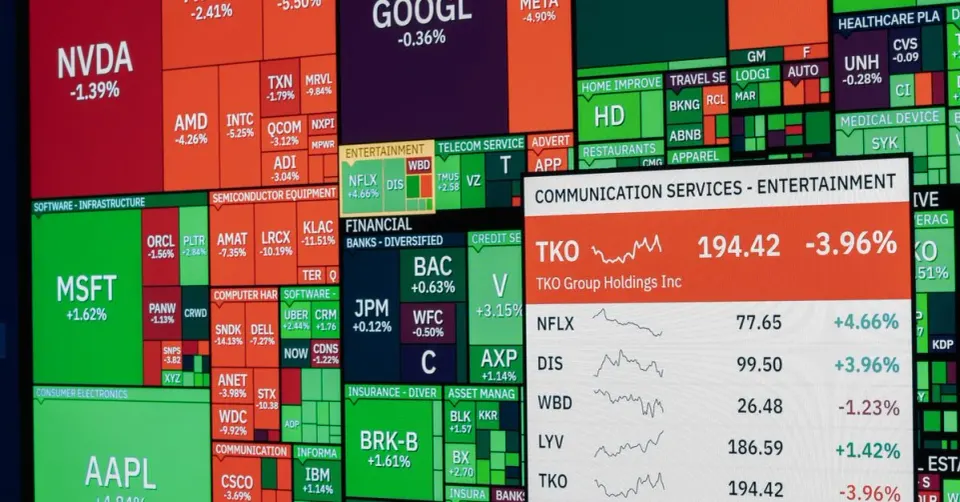
Internationally, while specific market data for European indices is not provided, the surge of the AfD in Germany is likely to introduce an element of uncertainty into global financial sentiment. Stock markets, particularly in the US, have shown resilience with specific sectors like semiconductors, exemplified by Nvidia's strong performance relative to its peers, indicating pockets of growth. However, broader market confidence may be tested by the geopolitical developments in Eastern Europe and the Middle East, potentially impacting investor appetite for risk.
---
Tech Sector Resilience and Crypto Market Dynamics
Despite the broader geopolitical and economic uncertainties, the tech sector continues to show signs of innovation and resilience. Nvidia is reportedly performing strongly, with its stock price nearing its high while competitors lag significantly, suggesting a continued demand for advanced computing power. This highlights a bifurcation in the market, where leading tech innovators are outperforming the broader industry, driven by advancements in areas like AI and high-performance computing.
In the cryptocurrency space, the Router Protocol, backed by Coinbase, is set to shut down due to a failure to commercialize its technology, leading to the burning of 303 million ROUTE tokens. This development underscores the volatile nature of the crypto market and the challenges in sustaining innovative projects. Meanwhile, prediction markets are inching closer to a Supreme Court review regarding their legality, signaling ongoing regulatory scrutiny. Separately, Ukrainian police have dismantled a crypto scam that was reportedly stealing up to $1 million per month, indicating continued efforts to combat illicit activities within the digital asset space.
Watch
Energy Secretary says 'there may not be' a nuclear agreement with Iran
ABC News
Frequently Asked Questions
What did the US Energy Secretary say about the Iran nuclear deal?
What was the outcome of the German state election?
How did the Iranian Toman and gold perform in the last 24 hours?
What is happening in the cryptocurrency market regarding Router Protocol?
Understanding Geopolitical Risk in Global Markets
Geopolitical risk refers to the potential for political events, international relations, and conflicts to significantly impact economies, markets, and overall global stability. It encompasses a wide array of factors, from armed conflicts and terrorist acts to trade wars, shifts in foreign policy, and domestic political instability in key nations. Such risks introduce uncertainty, making it difficult for businesses and investors to plan, often leading to increased market volatility and shifts in investment flows.
The headline illustrates this concept perfectly by highlighting two distinct sources of geopolitical risk. Firstly, "US Nuclear Deal Doubt" regarding Iran signals potential for renewed international sanctions, disruptions in oil supply, or regional escalation, all of which can send ripples through global energy markets and impact investor confidence in emerging economies. Secondly, the "German Far-Right Surges" points to domestic political shifts within a major European power. The rise of parties like the AfD can challenge existing alliances, alter economic policies within the European Union, and potentially lead to protectionist measures, affecting trade relationships and the stability of the Eurozone.
These uncertainties manifest in "mixed markets," where some sectors or assets might be perceived as safer havens while others face sell-offs. For instance, heightened tensions might boost demand for gold or certain government bonds, while equities tied to international trade or specific regions could suffer. Companies with global supply chains or significant exposure to affected regions must navigate increased costs, regulatory changes, and reduced demand. Understanding geopolitical risk is crucial for investors, policymakers, and businesses alike to anticipate potential disruptions and adapt strategies in an increasingly interconnected and volatile world.
Topics
Related Articles