Far-Right Surge in Germany Shakes EU as China Injects $54bn Stimulus Amid Tehran Market Correction
زلزله سیاسی در آلمان با پیشتازی راستگرایان؛ تزریق ۵۴ میلیارد دلاری پکن به بازارها و عقبنشینی دلار در تهران
Germany's AfD party secures a historic lead in regional elections, signaling a major shift in European politics, while China launches a massive stimulus to rescue its financial sector. Meanwhile, the Tehran market sees a slight correction as the US Dollar and Emami Coin prices retreat from recent highs.
At time of publishing
USD
224,300
Toman
Gold 18K
23.35M
Toman / gram
Bitcoin
$79,675
US Dollar
Tether
225,351
Toman
Germany’s Political Earthquake: Far-Right AfD Takes the Lead
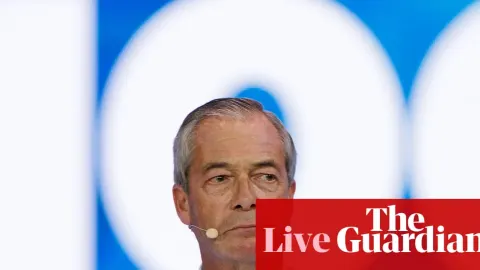
In a result that has sent shockwaves across the European Union, exit polls from the German state of Saxony-Anhalt show the far-right Alternative for Germany (AfD) party leading with a staggering 44.5% of the vote. This marks a historic milestone, as it puts a far-right movement in a position to potentially lead a regional government for the first time since the Second World War. The Christian Democrats (CDU), led by Chancellor Friedrich Merz, have fallen significantly behind, garnering only 18.5% of the projected vote. While the AfD’s victory is decisive, the path to forming a majority remains clouded, as other mainstream parties have previously vowed never to enter a coalition with the populist, anti-immigration group.
This shift in the German political landscape is more than just a local matter; it represents a growing disillusionment with the European establishment. For global markets and geopolitical analysts, the rise of the AfD signals a potential fracturing of EU consensus on critical issues ranging from migration to financial integration and support for Ukraine. Investors are watching closely to see if this political instability will weaken the Euro or drive capital toward alternative assets like gold and Bitcoin. In the short term, the uncertainty provides a backdrop for increased volatility, as the traditional 'anchor' of Europe—Germany—enters a period of deep domestic division.

China’s $54bn Financial Lifeline Amid Growth Fears
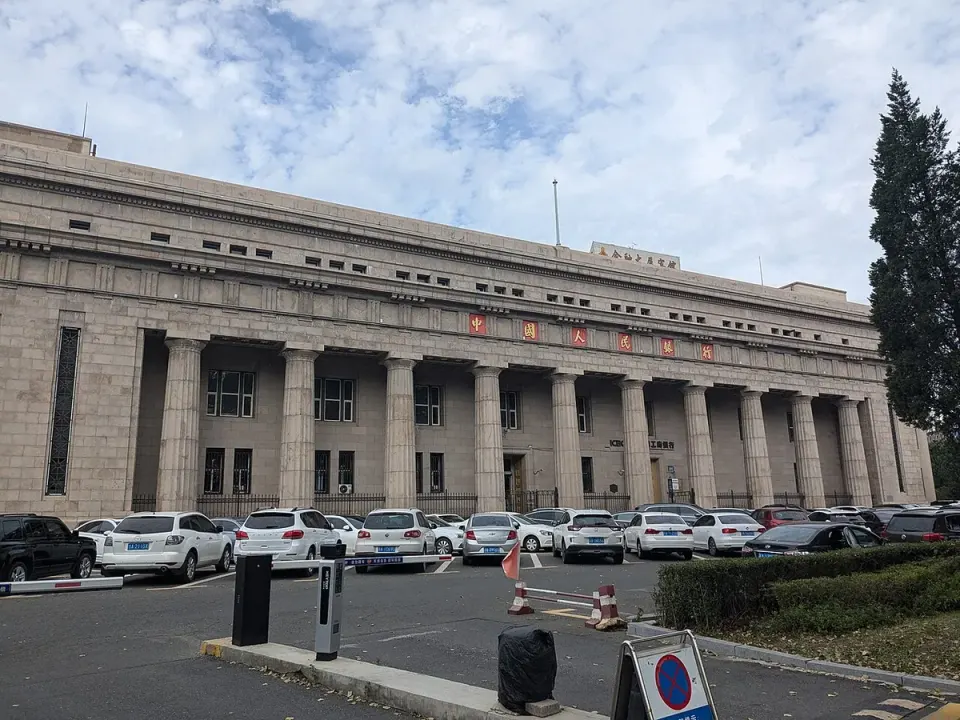
Across the globe, Beijing has moved to confront its own economic demons. The Chinese government has announced a massive £40 billion ($54 billion) stimulus package specifically targeted at shoring up its domestic financial sector. This capital injection, which includes funds from the Ministry of Finance and even the state-owned tobacco monopoly, is designed to encourage banks and insurers to increase their investments in the stock market. The move comes as China continues to struggle with sluggish economic growth, a property sector in crisis, and waning consumer confidence. By replenishing the cash reserves of major institutions, Beijing hopes to prevent a broader systemic collapse and reignite momentum in its equity markets.
For the global economy, this stimulus is a double-edged sword. While it provides temporary relief to international markets concerned about a Chinese slowdown, it also highlights the severity of the underlying issues in the world's second-largest economy. For commodity-heavy markets and regional trade partners, including Iran, China’s ability to stabilize its economy is paramount. However, if these measures fail to stimulate real-world demand and instead only inflate asset bubbles, the eventual correction could be even more painful. For now, the move has kept global gold prices relatively stable at $4,431.10 per ounce, as traders weigh the inflationary impact of such large-scale liquidity injections.
Tehran Market Update: A Brief Cooling Period
In the local Tehran markets, the high-octane rally of recent days has paused for a breath. The US Dollar (USD/IRR) saw a correction, moving from 226,800 down to 224,300, a decrease of 1.1% over the last 24 hours. This retreat is also reflected in the gold coin market, where the Emami coin dropped from 237,500,000 to 234,000,000 Toman, marking a 1.5% decline. These shifts suggest a temporary saturation in demand after a period of intense geopolitical anxiety. While the global backdrop remains tense due to European political shifts and Chinese economic intervention, the local market appears to be consolidating as traders wait for the next major catalyst.
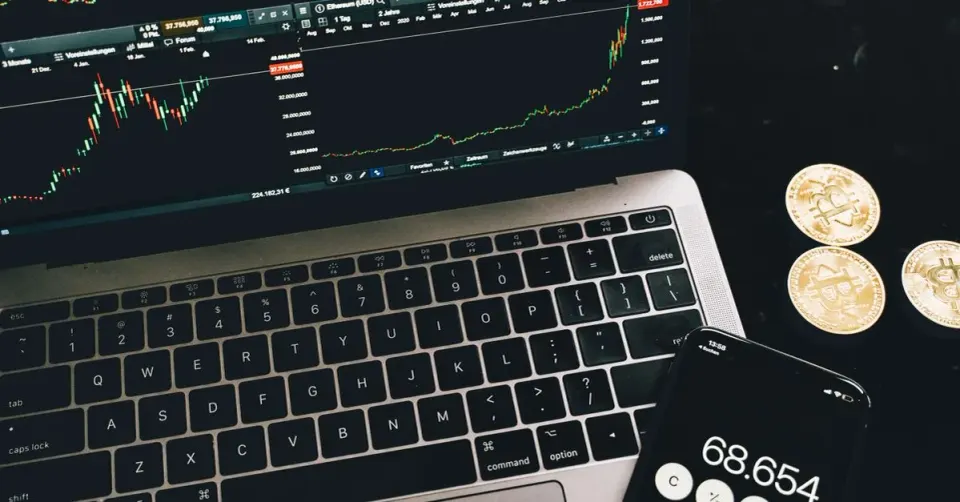
Despite the slight dip in the Toman-denominated price of the dollar, Bitcoin remains a focal point for Iranian investors seeking a hedge against long-term devaluation. BTC is currently holding strong at $79,675, hovering just below the psychological $80,000 barrier. The intersection of global political risk—exemplified by the German elections—and the ongoing liquidity injections from major central banks continues to bolster the 'digital gold' narrative. For the average Iranian saver, the current market represents a complex puzzle: while the local currency has gained slightly today, the global trend toward safe-haven assets suggests that the underlying pressures on the Toman are far from resolved.
Watch
Germans vote in state election that could bring far-right AfD to power
Associated Press
Frequently Asked Questions
Why is the AfD victory in Germany significant for markets?
How does China's $54 billion stimulus affect the global economy?
Why did the price of the Dollar and Gold Coin drop in Tehran today?
Understanding Political Risk in Global Markets
Political risk refers to the potential for political decisions, events, or instability in a country or region to negatively affect the profitability or value of an investment or business operation. It's a critical factor for investors, businesses, and policymakers to consider, as political landscapes are inherently dynamic and can shift rapidly. These risks can manifest in various forms, from changes in government policy and regulatory frameworks to social unrest, geopolitical tensions, and even armed conflict. The recent surge of far-right parties in European elections, such as the AfD in Germany, exemplifies how domestic political shifts can create significant ripples across an entire economic bloc like the European Union, potentially influencing trade, fiscal policies, and overall stability.
The impact of political risk is far-reaching and can directly influence financial markets. For instance, uncertainty surrounding election outcomes or new government policies can lead to currency fluctuations, bond yield changes, and stock market volatility. Investors might pull capital from perceived risky regions, leading to market corrections or even capital flight. Supply chains can be disrupted by trade disputes or sanctions, and long-term investment decisions can be postponed or abandoned. The "Tehran Market Correction" mentioned in the headline, for example, could be influenced by a complex interplay of domestic political stability, international relations, and sanctions, all falling under the umbrella of political risk.
In an increasingly interconnected global economy, political risks are rarely isolated. A political event in one major economy can have cascading effects worldwide. China's economic stimulus, while an economic policy, is often implemented in a political context, aiming to maintain stability or achieve strategic goals. Similarly, the stability of the Eurozone, influenced by political developments in member states like Germany, directly impacts global trade and financial flows. Understanding political risk is therefore essential for navigating the complexities of international finance and making informed decisions in an ever-changing world. It underscores why "global financial news" frequently highlights political developments alongside economic indicators.