Trade War Escalation: Canada Hits US with $20bn Tariffs as Oil Nears $100 Amid Regional Tensions
شعلهور شدن جنگ تجاری؛ تعرفههای ۲۰ میلیارد دلاری کانادا علیه آمریکا و صعود نفت به مرز ۱۰۰ دلار
Canada has officially implemented $20 billion in retaliatory tariffs against the US, marking a significant fracture in North American trade. Meanwhile, global oil prices are surging toward $100 per barrel as tensions in the Middle East and a resurgence of piracy off the Horn of Africa threaten supply chains.
At time of publishing
USD
224,200
Toman
Gold 18K
23.05M
Toman / gram
Bitcoin
$78,413
US Dollar
Tether
224,195
Toman
The North American Trade War Intensifies
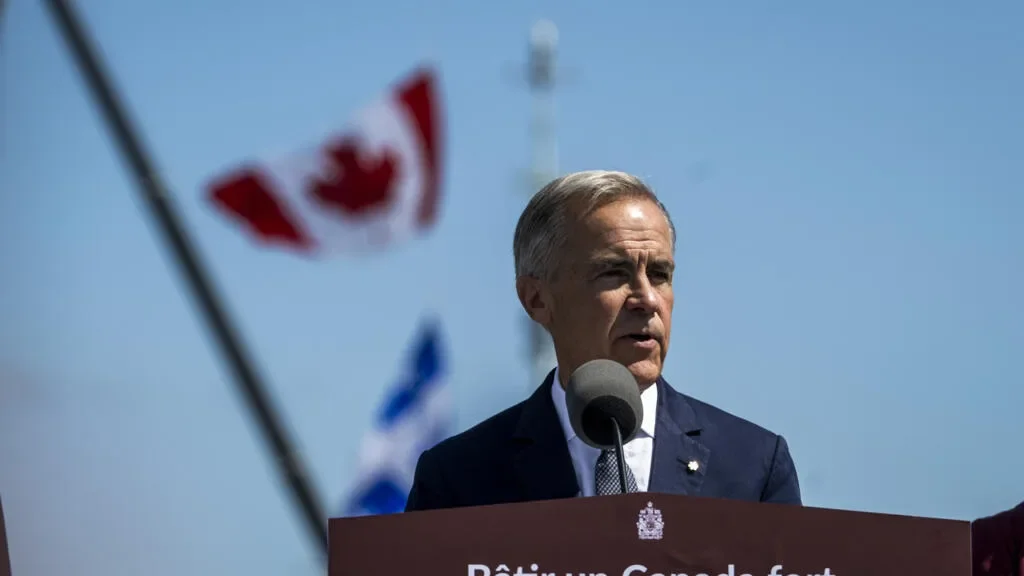
The long-simmering trade dispute between the United States and Canada has reached a critical boiling point. As of 12:01 am this Tuesday, the Canadian government officially implemented retaliatory tariffs on approximately $20 billion worth of American imports. This aggressive move, orchestrated by Prime Minister Mark Carney’s administration, serves as a direct response to President Donald Trump’s earlier imposition of 50% tariffs on Canadian goods. The Canadian counter-measures are broad, targeting essential sectors including steel, dairy, electronics, and agricultural equipment. By matching the US tariffs "dollar-for-dollar," Ottawa is signaling that it will no longer absorb economic pressure without significant pushback, effectively jeopardizing the stability of the world's largest bilateral trading relationship.
This escalation is not merely a political spat; it represents a fundamental shift in regional economic policy that will have immediate consequences for consumers and businesses alike. For the average citizen, these tariffs translate to higher prices for household appliances, vehicles, and food products. Economists warn that this "tit-for-tat" strategy could trigger a persistent inflationary cycle, complicating the efforts of central banks to maintain price stability. As supply chains between the two neighbors are deeply integrated, the sudden introduction of 15% to 50% levies on over 700 products is expected to cause logistical bottlenecks and potentially lead to job losses in manufacturing hubs on both sides of the border.

Energy Markets and the Shadow of Regional Conflict
Global energy markets are currently reacting to a volatile mix of geopolitical threats and physical supply disruptions. Brent crude has climbed toward the $100 mark, trading near $97.66 per barrel, as hopes for a diplomatic resolution in the Middle East continue to fade. The surge is driven by a combination of factors, including reported Houthi attacks on Saudi Arabia’s Jizan refinery and a series of stern warnings from Iranian officials. Major General Mohsen Rezaei and Acting Defense Minister Brigadier General Seyyed Majid Ibn al-Reza have both issued statements claiming that Washington has received "clear warnings" regarding Iran's new missile capabilities, specifically targeting US warships involved in regional blockades. This heightened rhetoric has injected a significant risk premium into oil prices, as traders fear a direct confrontation could close vital shipping lanes.
Adding to the maritime chaos is the unexpected resurgence of Somali piracy off the Horn of Africa. Exploiting the regional instability caused by the ongoing US-Israeli tensions with Iran, pirates have returned to the seas at levels not seen in over a decade. Since April, at least eight major hijackings have been recorded, including attacks on oil tankers with links to Iran and vessels carrying military equipment. This convergence of state-level military tension and non-state criminal activity creates a nightmare scenario for global shipping companies. For the Iranian economy, while rising oil prices typically provide a revenue boost, the threat of increased naval blockades and the rising cost of maritime insurance for tankers present a complex challenge for the country's export strategy.
Far-Right Breakthrough in Germany Shakes Europe
In Europe, the political landscape is undergoing a seismic shift following the historic victory of the far-right Alternative für Deutschland (AfD) in the Saxony-Anhalt state elections. The party’s breakthrough has sent shockwaves through Berlin and Brussels, marking a definitive end to the centrist stability that defined the Angela Merkel era. The AfD’s success is being viewed as a symptom of broader discontent across the continent regarding immigration, economic stagnation, and the perceived overreach of the European Union. In the wake of the results, political analysts are questioning whether the traditional "firewall" used by mainstream parties to exclude the far-right from governance can hold, or if a new era of populist coalition-building is beginning.
The implications for the European Union’s unified stance on trade and foreign policy are profound. A more fragmented German political scene often leads to a more inward-looking Europe, potentially slowing down critical decision-making on everything from climate policy to military aid. Furthermore, the rise of the AfD is mirroring similar unrest in other parts of Europe, including the UK, where anti-migrant protests have recently led to violent clashes with police. For global investors, this political instability in the Eurozone’s largest economy introduces a new layer of uncertainty, potentially weakening the Euro and driving capital toward safe-haven assets like gold and Bitcoin.
Market Realities: Gold, Crypto, and the Toman
Despite the global turmoil, the Iranian domestic market has shown a degree of resilience this morning. The US Dollar remained stable at 224,200 Toman, showing no change over the last 24 hours. However, the gold market reflected the global flight to safety; 18k gold rose by 0.2% to reach 23,050,464 Toman per gram. Interestingly, the Emami coin saw a slight decline of 0.4%, dropping to 229,000,000 Toman, suggesting a localized cooling of speculative demand even as the underlying metal price remains strong. This divergence indicates that while global factors are driving the raw value of gold higher, local liquidity conditions are currently capping the premiums on minted coins.
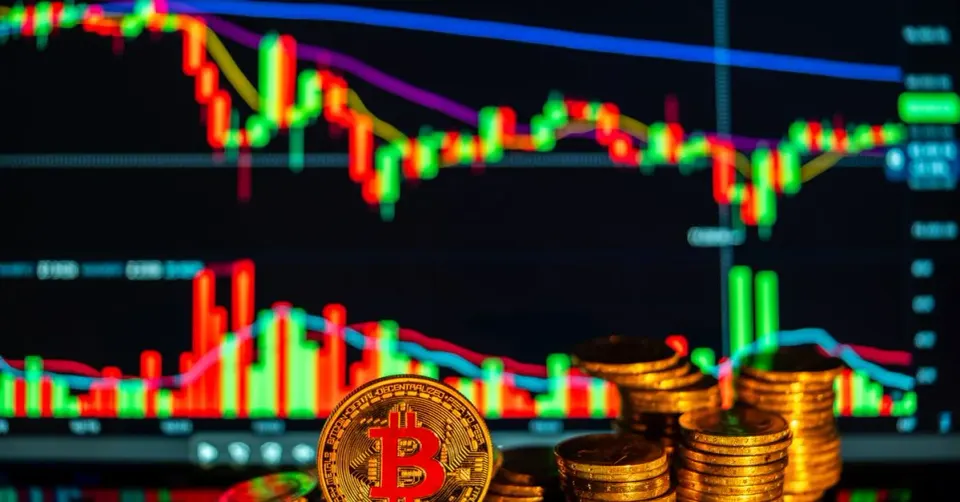
In the digital asset space, Bitcoin is exhibiting a "golden cross" on its daily charts—a technical indicator where the 50-day moving average crosses above the 200-day moving average, often signaling a long-term bullish trend. BTC is currently trading at $78,413, buoyed by institutional interest despite minor controversies like the backlash against the Hunter Biden laptop memecoin. For Iranian investors, the combination of a stable Toman and a rising Bitcoin price presents a unique window of opportunity for those looking to hedge against potential future devaluations. As global oil prices flirt with $100 and trade wars escalate, the appeal of decentralized assets continues to grow as a primary tool for wealth preservation in an increasingly unpredictable world.
Frequently Asked Questions
Why did Canada impose tariffs on the US today?
What is driving the current spike in oil prices?
What does the 'Golden Cross' mean for Bitcoin?
Understanding Tariffs: How They Shape Trade Wars
A tariff is a tax imposed by a government on imported goods. By raising the price of foreign products, tariffs aim to protect domestic industries from competition, generate revenue, or signal political discontent. Economists distinguish between ad valorem tariffs (a percentage of the good’s value) and specific tariffs (a fixed amount per unit), each affecting price signals differently.
In a trade war, tariffs become a strategic weapon. When one country levies a duty on another’s exports, the targeted nation often retaliates with its own tariffs, creating a tit‑for‑tat escalation. The United States and Canada, despite a long‑standing free‑trade relationship under the US‑Mexico‑Canada Agreement (USMCA), have occasionally used tariffs to address disputes over dairy, steel, or subsidies. The recent $20 billion tariff wave announced by Canada against the U.S. illustrates how even close allies can resort to fiscal pressure to extract concessions.
Tariffs ripple through the broader economy, especially when they touch high‑value commodities like oil. Higher duties on imported equipment or refined products can raise production costs for the oil sector, which in turn can feed into global oil prices—already volatile as they hover near the psychologically important $100 per barrel mark. Consumers feel the impact through higher gasoline prices, while exporters may see reduced demand for their output.
Beyond immediate price effects, tariffs can distort supply chains, encourage “near‑shoring,” and prompt governments to seek alternative markets. While they may offer short‑term political leverage, prolonged tariff battles tend to shrink overall trade volumes, dampen growth, and can trigger retaliation that harms both sides. Understanding the mechanics of tariffs helps citizens and policymakers gauge whether a tariff‑driven strategy is worth the economic cost.
Topics
Related Articles