Iran Slams Canada as 'Intimidated' While Ottawa Launches $20bn Trade Retaliation Against US
انتقاد تند تهران از «ترس» کانادا همزمان با آغاز جنگ تجاری ۲۰ میلیارد دلاری اتاوا علیه آمریکا
Iran's foreign ministry has accused Canada of submitting to US bullying as Ottawa enters a massive trade war with Washington. Meanwhile, gold prices in Tehran rise amid regional tensions following Houthi strikes on Saudi Arabia.
At time of publishing
USD
224,200
Toman
Gold 18K
23.28M
Toman / gram
Bitcoin
$78,466
US Dollar
Tether
223,828
Toman
Iran Criticizes Canada’s Alignment with US Pressure
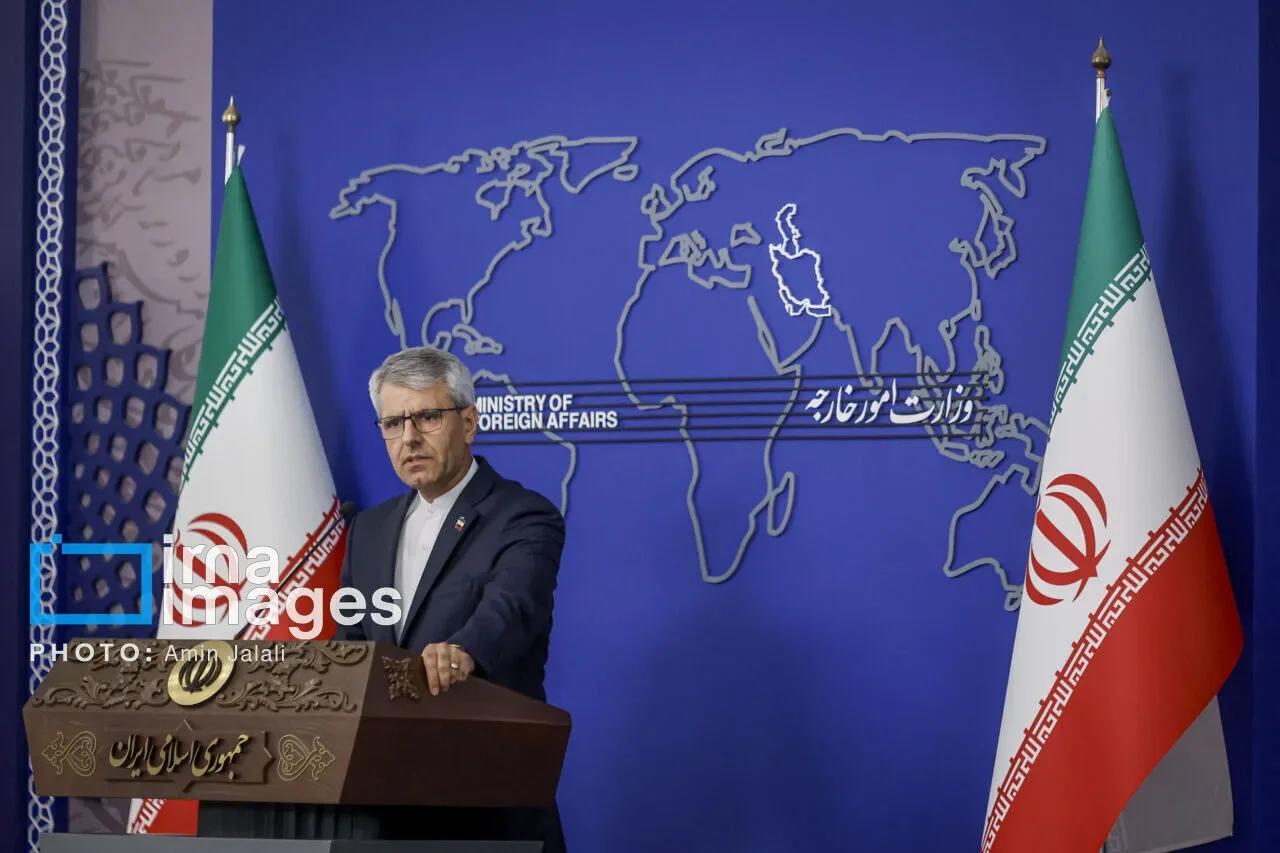
Esmaeil Baqaei, the spokesperson for Iran’s Foreign Ministry, has issued a sharp rebuke of the Canadian government, accusing Ottawa of "submitting to intimidation" by the United States. This statement comes as a reaction to Canada's continued alignment with Washington’s economic sanctions and pressure campaigns against Tehran. Baqaei argued that such a stance does not provide Canada with any protection from the "bullying" nature of its neighbor, suggesting that Ottawa’s foreign policy is being dictated by American interests rather than its own sovereign logic.
The timing of this critique is particularly poignant as Canada itself finds itself in the crosshairs of a deepening trade dispute with the US. For the Iranian leadership, this situation serves as a rhetorical tool to highlight what they describe as the unreliable nature of Western alliances. While Tehran remains under heavy economic strain, it is leveraging these international frictions to frame its own resistance as a more principled stand compared to Canada’s perceived compliance. This diplomatic friction occurs as Western powers continue to weigh further actions regarding Iran's nuclear file at the UN.

Canada-US Trade War Escalates with $20bn Tariffs
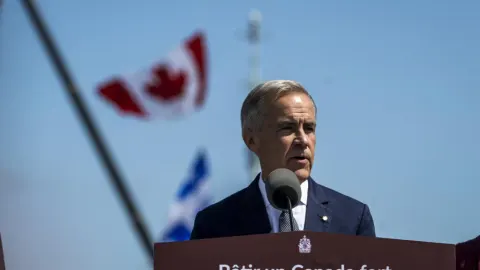
The bilateral relationship between Canada and the United States, traditionally the world's largest, has entered a period of severe turbulence. As of Tuesday morning, Canada has officially implemented counter-tariffs on approximately $20 billion worth of American products. This "dollar-for-dollar" retaliation is a direct response to US trade policies that Ottawa deems protectionist. The escalation has been further fueled by President Trump’s recent threats to ban Canadian-made Bombardier jets from the US market unless manufacturing is moved south of the border, a move that would devastate the Canadian aerospace sector.
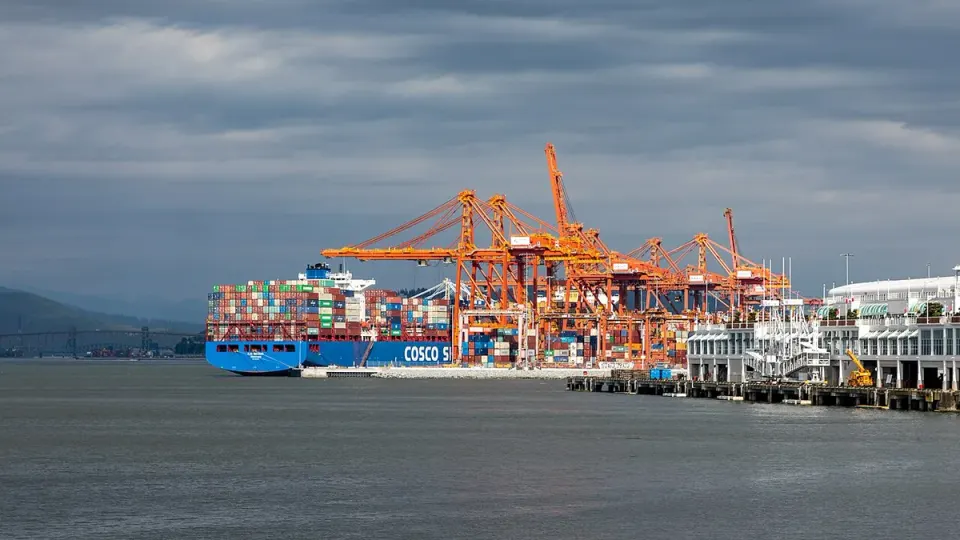
For global markets, this trade war signals a shift toward increased fragmentation. The tariffs affect over 700 products, ranging from industrial components to consumer goods, which will likely drive up costs for businesses and consumers alike. As supply chains are disrupted, the stability of the North American economic bloc is being tested. For Iranian observers, these developments are a reminder of how quickly global trade norms can erode, potentially shifting the focus of international diplomacy away from Middle Eastern sanctions and toward internal Western economic conflicts.
Markets: Gold Rises as Bitcoin Faces Support Test
In the financial markets, Bitcoin has shown resilience despite mounting bearish pressure, hovering around the $78,466 mark. While it dipped slightly below the $79,000 threshold earlier in the session, traders are closely watching the $77,500 support level. The broader crypto market is feeling the weight of macroeconomic uncertainty, with a 60% probability of a Federal Reserve interest rate hike next week. This hawkish sentiment, combined with fluctuating oil prices, has kept investors on edge, leading to a cautious trading environment where major tokens like Ethereum are currently sitting at $2,477.99.
In the local Iranian market, the US Dollar remains stable at 224,200 Toman, showing no change over the last 24 hours. However, gold has seen a notable uptick, with 18k gold rising by 1.2% to reach 23,281,314 Toman per gram. This divergence suggests that while the currency market is currently in a holding pattern, domestic investors are seeking refuge in gold as a hedge against potential regional volatility. The Emami coin remains steady at 230,000,000 Toman, reflecting a market that is pricing in risk but not yet panicking.

Regional Volatility: Houthi Strikes and Energy Security
Regional security has taken a hit following reports of Houthi strikes on Southern Saudi Arabia, which have reportedly injured dozens of people. Saudi officials confirmed the attacks, while Houthi-run media in Yemen teased a "large-scale" military operation. This escalation marks a significant break in the relative lull of recent months and threatens to reignite a broader conflict that could impact global energy supplies. The targeting of Saudi infrastructure always carries the risk of disrupting oil production, which would send shockwaves through an already fragile global economy.
For Iran, these developments are a double-edged sword. While the Houthis are often viewed as part of the "Axis of Resistance," increased kinetic activity in the Arabian Peninsula draws unwanted international scrutiny toward Tehran's regional influence. As Western powers push for a UN Security Council referral regarding Iran's nuclear program, these regional flares only add to the diplomatic pressure. Investors should keep a close eye on the Strait of Hormuz and Saudi oil facilities, as any further escalation could lead to a spike in crude prices and a subsequent inflationary wave across the globe.
Watch
Canada retaliatory tariffs loom as Ottawa moves to rename Trump Ave
CNN
Frequently Asked Questions
Why is Iran criticizing Canada specifically at this time?
What triggered the $20 billion trade war between Canada and the US?
How did the Houthi strikes impact the Iranian market?
Understanding Protectionism and Trade Wars
The news headline touches upon Canada's trade retaliation against the US, a classic example of protectionism in action. Protectionism refers to government policies designed to restrict international trade, often with the aim of protecting domestic industries, jobs, or national security. These policies stand in contrast to free trade, which advocates for minimal government interference in international commerce. While proponents argue that protectionism shields nascent industries or prevents unfair competition, critics contend that it often leads to higher prices for consumers and reduced innovation.
The most common tool of protectionism is the tariff, a tax imposed on imported goods or services. When Canada implements a $20 billion trade retaliation, it likely involves imposing tariffs on specific US products, making them more expensive for Canadian consumers and businesses. This effectively makes domestically produced alternatives more competitive. Other protectionist measures include import quotas (limiting the quantity of goods that can be imported), subsidies to domestic industries, and non-tariff barriers like strict product standards or outright bans on certain foreign goods, such as the mentioned Bombardier jet ban if it were applied restrictively.
The immediate goal of such retaliation is often to pressure the other country to remove its own protectionist measures. However, this can escalate into a full-blown trade war, where countries continuously impose tariffs and other restrictions on each other's goods. Trade wars disrupt global supply chains, increase costs for businesses, and reduce consumer choice, ultimately harming economic growth on both sides. The Canada-US dispute, even if specific to certain sectors, highlights the delicate balance of international trade relations and the potential for economic friction to spill over into broader diplomatic tensions.
Historically, protectionist policies have been a recurring feature of global economics, particularly during periods of economic nationalism or downturns. While they might offer short-term benefits to specific domestic sectors, the broader consensus among economists is that free trade generally leads to greater overall economic efficiency and prosperity through specialization and comparative advantage. However, the political appeal of protecting local jobs and industries often makes protectionism a tempting policy choice for governments facing domestic pressures.
Topics
Related Articles