Oil Nears $100 Following Saudi Attacks as UK Sparks Diplomatic Firestorm with Israel Settlement Ban
نفت در آستانه ۱۰۰ دلار پس از حملات به عربستان؛ تنش دیپلماتیک بریتانیا با اسرائیل و شوک سوختی در ایران
Global energy markets are on edge as Brent crude approaches the $100 milestone following Houthi strikes on Saudi facilities, while the UK's ban on settlement trade triggers a rift with Washington. In Tehran, domestic fuel price hikes and renewed IAEA tensions have pushed gold prices up by 1.6% in a single day.
At time of publishing
USD
224,500
Toman
Gold 18K
23.39M
Toman / gram
Bitcoin
$78,375
US Dollar
Tether
225,123
Toman
Global Energy Markets Brace for $100 Oil
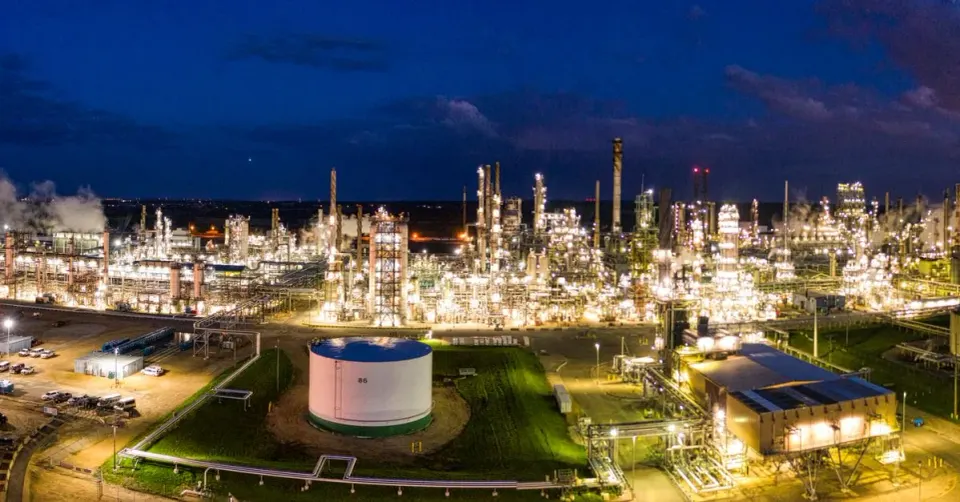
Crude oil prices are surging toward the psychological $100-a-barrel threshold this morning following reports of targeted attacks on Saudi Arabian energy infrastructure. Saudi authorities confirmed that several facilities were struck by drones and missiles launched by Yemen’s Iran-aligned Houthi rebels, a move that has immediately reignited fears of a broader regional supply disruption. This escalation comes at a critical time for European markets, which are already struggling to secure gas supplies ahead of the winter season. The UK month-ahead gas price has jumped 1% to 184p per therm, reflecting the heightened anxiety over energy security as storage levels remain a point of concern across the continent.
For the global economy, the return of triple-digit oil prices threatens to derail recent progress in curbing inflation. While Saudi Arabia has historically managed to restore production quickly after such incidents, the geopolitical risk premium is being priced back into the market with significant force. Traders are now closely watching the response from Washington and Riyadh, as any further escalation in the Red Sea or direct hits on processing plants could solidify oil's position above $100. This spike is already spilling over into other asset classes, putting downward pressure on risk-on assets like technology stocks and cryptocurrencies as investors seek safety in commodities and the Japanese yen.
UK Ignites Diplomatic Row Over Israel Settlement Ban
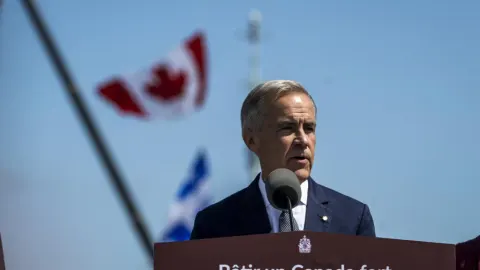
In a significant shift in foreign policy, the United Kingdom is set to impose a ban on trade with illegal Israeli settlements in the West Bank. Foreign Secretary Ed Miliband is expected to announce the move today, framing it as a necessary step to uphold international law and support a two-state solution. However, the decision has already drawn sharp rebukes from both the Israeli government and the United States. The American ambassador to the UK has warned that such sanctions could have a chilling effect on broader UK-US trade relations, suggesting that the timing of the move—ahead of crucial Israeli elections—is diplomatically hazardous.
Within the UK, the policy has sparked a fierce internal debate. Critics, including vice chair of Labour Friends of Israel Peter Prinsley, argue that the ban fails to distinguish between government policy and the broader Jewish community, potentially increasing the risk of domestic anti-Semitic incidents. Proponents, however, argue that the UK must take a principled stand against settlement expansion which they view as the primary obstacle to regional peace. This policy pivot marks one of the most assertive stances taken by a Western power against Israeli settlement activity in recent years, signaling a potential fracturing of the unified front typically maintained by G7 nations on Middle Eastern policy.

Iran Faces Domestic Fuel Shock and IAEA Confrontation
Domestically, the Iranian government has implemented a new fuel pricing tier aimed at curbing soaring consumption. Prices for gasoline have effectively doubled to 100,000 riyals per liter for citizens exceeding a 110-liter monthly quota. This move, which officials claim is necessary to prevent a total energy deficit, has been met with immediate skepticism by a public already grappling with high inflation. The government’s plea for citizens to "cut back" is seen by many as a precursor to broader subsidy removals, a sensitive issue that has historically triggered significant social unrest in the country.
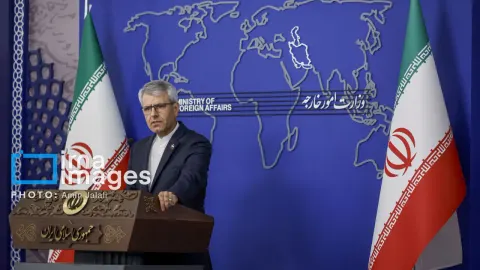
On the diplomatic front, tensions with the International Atomic Energy Agency (IAEA) are reaching a boiling point. Iran’s Ambassador to Germany, Majid Neeli, has characterized the latest draft resolution proposed by the United States and the E3 (Britain, France, and Germany) as an act of "lawlessness." The resolution seeks to refer Iran’s nuclear file back to the UN Security Council, a move Tehran views as a politically motivated escalation. This combination of domestic economic pressure and international diplomatic isolation has directly impacted local markets, with gold prices in Tehran jumping 1.6% to 23,385,197 Toman per gram as investors hedge against further currency devaluation and geopolitical risk.

Markets React: Gold Gains as Bitcoin Slips
The ripple effects of global instability are clearly visible in today's market data. In Tehran, the US Dollar has edged up slightly to 224,500 Toman, while the Emami coin rose 0.9% to reach 232,000,000 Toman. The most significant move was in 18k gold, which surged from 23,011,219 to 23,385,197 Toman (+1.6%) within 24 hours. This flight to hard assets suggests that the Iranian market is pricing in a period of heightened volatility, driven by both the Saudi oil facility attacks and the deteriorating relationship with the IAEA.
In the crypto space, Bitcoin has slipped toward the $78,375 mark, a decline influenced by a strengthening Japanese yen and rising global bond yields. As traditional safe havens like gold and the yen gain traction, speculative assets are seeing a temporary outflow of capital. The broader market sentiment remains cautious, as the combination of high energy prices and geopolitical friction creates a "risk-off" environment. For Iranian investors, the divergence between rising local gold prices and falling global crypto prices highlights the unique domestic pressures currently overriding global trends.
Frequently Asked Questions
Why is the oil price approaching $100?
What is the new fuel pricing policy in Iran?
Why is the UK banning trade with Israeli settlements?
How did the IAEA resolution affect the Iranian market?
Understanding the Geopolitical Risk Premium in Oil Prices
The recent surge in oil prices towards $100 a barrel, particularly in the wake of attacks on Saudi oil facilities, highlights a critical economic concept: the Geopolitical Risk Premium. This term refers to the additional cost built into the price of a commodity, especially oil, due to political instability, conflict, or uncertainty in major producing or transit regions. It's essentially an insurance premium that the global market pays to account for the potential disruption of supply.
When geopolitical tensions escalate, or when physical attacks occur on vital infrastructure like oil refineries or pipelines, the immediate effect is a reduction in perceived future supply security. Traders and investors, anticipating potential shortages or prolonged disruptions, demand a higher price for crude oil. This isn't just about current supply and demand; it's about the fear of future supply being curtailed. The premium reflects the market's assessment of how likely and severe such disruptions might be.
For instance, the attacks on Saudi Arabian oil facilities directly threatened a significant portion of global oil production, instantly injecting a substantial geopolitical risk premium into prices. Similarly, broader regional conflicts or political standoffs involving key oil-producing nations, such as those sometimes involving Iran, can maintain an elevated baseline for oil prices even without direct supply interruptions, simply due to the persistent threat of future instability.
The implications of a geopolitical risk premium are far-reaching. Higher oil prices translate into increased costs for transportation, manufacturing, and energy across the globe, potentially fueling inflation and slowing economic growth. Consumers feel it at the gas pump, while businesses face higher operational expenses. Understanding this premium is crucial for grasping why commodity prices can sometimes defy conventional supply-and-demand analysis, instead being heavily influenced by the ever-present shadow of global politics.
Topics
Related Articles