Saudi Pipeline Shutdown Shakes Energy Markets as Trump Backs United Ireland
تعطیلی شریان حیاتی نفت عربستان همزمان با چراغ سبز ترامپ به ایرلند واحد
Saudi Arabia has halted its critical East-West oil pipeline following drone attacks from Iraq, escalating regional energy security concerns. Meanwhile, Donald Trump has broken decades of US diplomatic precedent by endorsing Irish unification during a high-stakes visit to Dublin.
At time of publishing
USD
235,800
Toman
Gold 18K
24.01M
Toman / gram
Bitcoin
$77,391
US Dollar
Tether
234,950
Toman
Saudi Arabia Shuts Key Pipeline Amid Rising Drone Threats
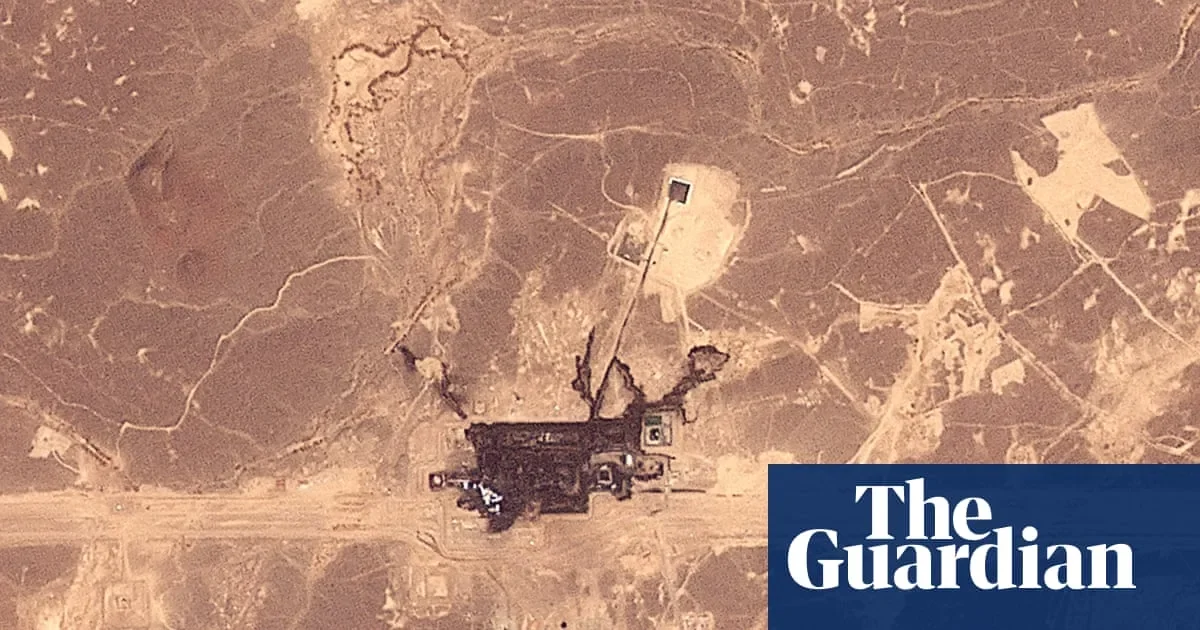
In a move that has sent ripples through global energy markets, Saudi Arabia has officially shut down its 745-mile East-West oil pipeline. Riyadh officials attributed the closure to a series of sophisticated drone attacks launched from Iraqi territory, targeting the critical infrastructure that links the Abqaiq processing plants to the Red Sea port of Yanbu. This pipeline is not merely a piece of industrial equipment; it is a strategic bypass designed specifically to allow Saudi crude to reach international markets without passing through the volatile Strait of Hormuz, which has been increasingly militarized since the onset of the current conflict involving US and Israeli forces against Iranian interests.
The shutdown represents a significant victory for the regional actors seeking to disrupt Saudi Arabia's export capabilities. By forcing the world’s largest crude exporter to reconsider its primary alternative route to the Hormuz choke point, the attackers have effectively tightened the noose around global oil supplies. For the Iranian market, this escalation typically signals a period of heightened volatility. While a shutdown of Saudi exports could theoretically drive global prices up, the regional instability often puts immediate pressure on the Toman as local investors seek the safety of hard currency and gold in anticipation of further military or economic retaliation.

Trump Breaks Precedent with 'Fantastic' United Ireland Endorsement
During a high-profile visit to Ireland, Donald Trump has once again upended traditional diplomacy by stating that a united Ireland would be "fantastic." Speaking from his golf resort in Doonbeg, County Clare, before attending the Irish Open, Trump’s comments mark a sharp departure from the long-standing US policy of neutrality regarding the constitutional status of Northern Ireland. The 1998 Good Friday Agreement, which the US helped broker, maintains a delicate balance on this issue, and many analysts fear that such blunt rhetoric from a US leader could reignite sectarian tensions or complicate the already fraught post-Brexit relationship between London and Dublin.
The visit itself has become a point of contention within Ireland, with a massive security operation reportedly costing over €20 million. While Trump praised the beauty of the Irish countryside and the potential for economic growth under a unified banner, the political fallout in London is expected to be swift. For global observers, this is another example of the Trumpian doctrine of disruption—challenging established geopolitical norms to appeal to specific populist sentiments. The impact on international markets remains subtle for now, but any instability in the UK-Ireland corridor often reflects in broader European economic sentiment and currency fluctuations.

Niger Claims Massive Oil Discovery in Kafra Block
In the Sahel region, Niger’s Ministry of Oil has announced a major discovery that could transform the nation's economic landscape. According to official statements, the Kafra oil block, located near the border with Algeria, is estimated to hold approximately 2.5 billion barrels of crude oil. This announcement comes at a time when Niger is aggressively seeking to diversify its economic partners. While Chinese firms currently dominate the country’s oil production, this new discovery is being framed as a cornerstone for deeper cooperation with Algeria, potentially creating a new North-African energy axis that bypasses traditional Western influence.
For the global energy market, the emergence of Niger as a significant player adds a new layer of complexity to the supply-demand balance. Active drilling has already commenced, and the involvement of Algerian state-backed entities suggests a move toward regional resource nationalism. This development is particularly relevant as global powers scramble for secure energy sources amid the ongoing disruptions in the Middle East. If Niger can successfully bring these reserves to market, it may offer a slight relief to global supply pressures, though the logistical challenges of exporting from a landlocked nation in a restive region remain a formidable barrier to immediate impact.
Tehran Market Update: Toman Shows Slight Resilience
Despite the geopolitical storms brewing in the region, the Iranian Toman has shown a surprising, albeit modest, resilience in the last 24 hours. The US Dollar in the Tehran open market moved from 237,500 to 235,800 Toman, marking a decrease of 0.7%. This slight cooling of the exchange rate suggests that the market had already priced in much of the regional tension, or perhaps reflects a temporary lull in local demand for liquidity. However, the shadow of the Saudi pipeline shutdown looms large; historically, any sustained disruption to regional oil flows eventually triggers a flight to the dollar among Iranian retail investors.
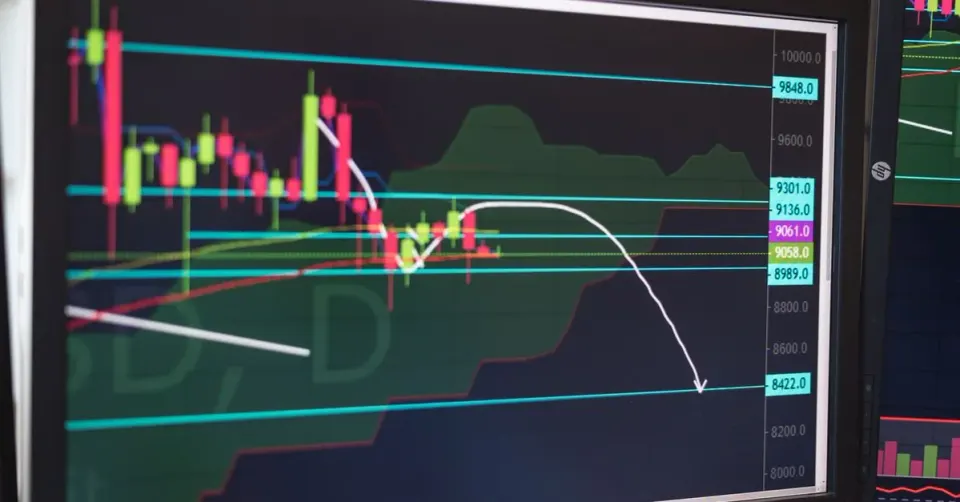
Gold prices have also seen a downward correction today. The price of 18-karat gold fell from 24,412,484 to 24,013,112 Toman per gram, a 1.6% decline that outpaced the currency's movement. Similarly, the benchmark Emami coin dropped from 241,000,000 to 239,500,000 Toman (-0.6%). This synchronized dip in both currency and gold suggests a cautious optimism or a technical correction after recent highs. For the average Iranian household, these fluctuations remain the primary barometer of economic health, as the cost of imported goods and the preservation of savings are directly tied to these daily shifts in the open market.
Frequently Asked Questions
Why is the East-West pipeline so important for Saudi Arabia?
Why did Trump's comments on Ireland cause a political stir?
How did the Iranian market react to these geopolitical escalations?
Understanding Energy Chokepoints and Critical Infrastructure Vulnerability
The global economy runs on energy, and a significant portion of that energy, particularly oil and natural gas, travels through a few highly concentrated, narrow passages known as energy chokepoints, or relies on large, centralized critical energy infrastructure. These chokepoints can be maritime straits, canals, or pipelines, while critical infrastructure includes major processing plants, export terminals, and extensive pipeline networks. Their strategic importance lies in the immense volume of energy they handle; any disruption can send immediate and significant shockwaves through international energy markets, impacting prices, supply, and global economic stability.
Disruptions to these chokepoints or critical infrastructure can stem from various sources, including geopolitical conflicts, acts of terrorism, piracy, natural disasters, or even technical failures. For instance, the Strait of Hormuz, linking the Persian Gulf with the open ocean, is arguably the world's most critical oil chokepoint, through which a substantial percentage of the world's seaborne oil supply passes daily. Threats or blockades here can trigger immediate spikes in oil prices and fuel fears of supply shortages.
Beyond maritime chokepoints, major land-based infrastructure facilities also represent critical vulnerabilities. The 2019 drone attacks on Saudi Arabia's Abqaiq oil processing facility, for example, temporarily halved the kingdom's oil production, demonstrating how an attack on a single, vital piece of infrastructure, even if not a geographical "chokepoint," can have a similar, immediate, and dramatic effect on global oil supply and prices. Such events underscore the fragility of global energy security.
Understanding energy chokepoints and critical infrastructure vulnerability is crucial for comprehending geopolitical risk in energy markets. Nations and international bodies constantly monitor these points and develop strategies to mitigate risks, such as maintaining strategic petroleum reserves, exploring alternative energy sources, and investing in diverse supply routes. However, the inherent concentration of energy flows means that these vulnerabilities will remain a persistent concern for global stability and economic well-being.