Tehran’s High-Stakes Escalation Strategy & Nvidia’s $10B AI Bet: Global Markets React
اهرم فشار تهران در تقابل با واشینگتن؛ سرمایهگذاری ۱۰ میلیارد دلاری انویدیا در هوش مصنوعی
Iran shifts its geopolitical strategy toward calculated escalation to gain leverage against the US, while Nvidia eyes a massive $10B investment in Anthropic. Meanwhile, Tehran's markets see a slight correction as the USD and gold prices retreat from recent highs.
At time of publishing
USD
234,700
Toman
Gold 18K
23.94M
Toman / gram
Bitcoin
$77,441
US Dollar
Tether
234,000
Toman
Tehran’s Tactical Escalation: A New Path to Leverage
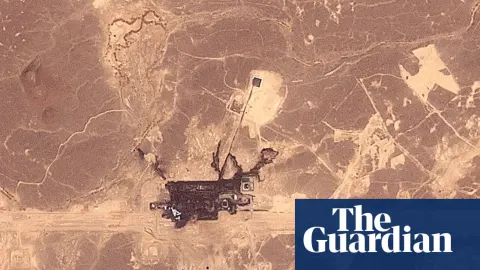
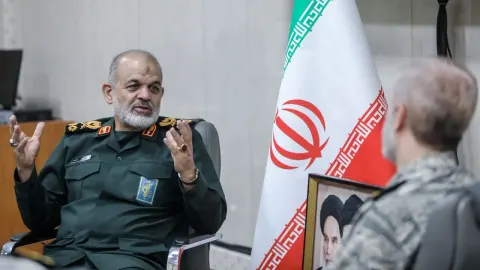
Tehran appears to be pivoting toward a strategy of calculated escalation as a primary means of securing diplomatic and economic leverage against the United States. According to recent reports from the New York Times, the Iranian leadership and its regional allies have solidified their influence over two critical oil shipping routes. This shift suggests that Tehran no longer views passive endurance of sanctions as its only option; instead, it is actively setting the stage for a diplomatic showdown where its ability to disrupt or stabilize global energy flows becomes its strongest bargaining chip. By asserting control over these maritime chokepoints, Iran aims to force Washington into a corner where the cost of continued confrontation outweighs the benefits of a potential deal.
This strategy carries significant implications for the domestic Iranian economy. While the government claims these moves bolster national security, the immediate effect on the Toman is often one of volatility followed by tentative correction. Market participants in Tehran are closely watching whether this escalation will lead to a breakthrough in sanctions relief or further isolation. The current 1.2% dip in the USD/IRR exchange rate suggests that the market is currently in a 'wait-and-see' mode, pricing in the possibility of a diplomatic win even as the rhetoric remains sharp. However, the long-term sustainability of this 'leverage through tension' model remains highly questionable given the fragility of the domestic financial system.
BRICS Nations Call for Restraint Amid Delhi Summit
At the 11-nation BRICS summit in New Delhi, a joint statement was issued calling for "maximum restraint" regarding the ongoing conflicts in the Middle East. The group, which now includes heavyweights like China, Russia, India, and Iran, attempted to project a unified front despite internal divisions on how to handle regional instability. This collective call for calm is particularly noteworthy as it highlights the dual-track diplomacy Iran is pursuing: engaging in high-level multilateralism with its BRICS partners while simultaneously maintaining the aggressive regional posture described by Western intelligence. The summit serves as a platform for these nations to challenge Western dominance, but the effectiveness of their 'restraint' plea remains to be seen given the escalating ground realities.
For the average Iranian reader, the BRICS membership is often framed by state media as a panacea for economic woes. However, the reality is more nuanced. While the summit provides a diplomatic shield, it has yet to provide the concrete financial mechanisms needed to bypass the SWIFT system or stabilize the Toman significantly. The display of thawing relations between China and India at the same summit adds another layer of complexity; as these regional rivals reconcile, Iran may find itself competing for their attention and investment. The joint statement on the Middle East is a diplomatic formality that masks the deep-seated anxieties of emerging economies regarding energy security and trade disruptions.
Nvidia’s $10 Billion Play for AI Dominance
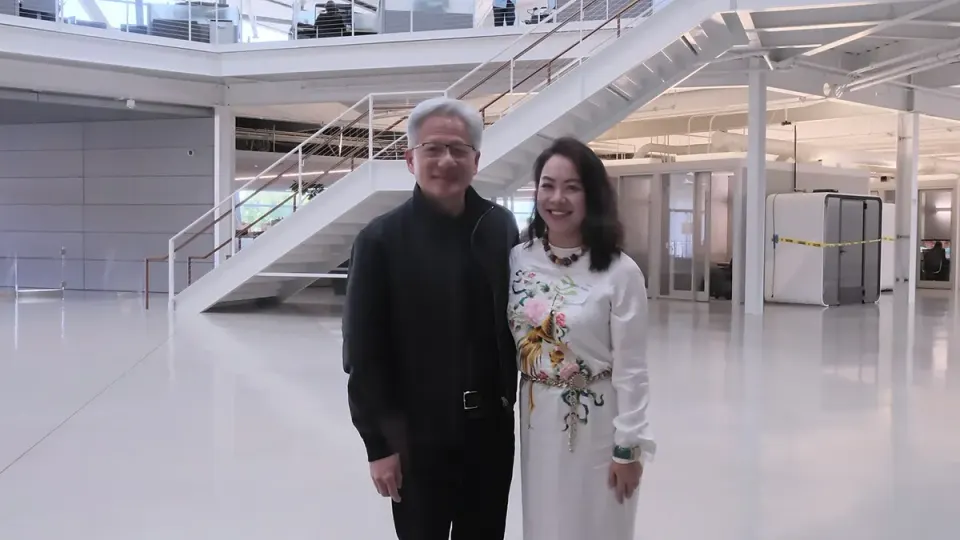
In a move that could reshape the technology landscape, Nvidia is reportedly considering a $10 billion investment in Anthropic’s potential record-breaking IPO. This investment could propel Anthropic’s valuation to a staggering $2 trillion, placing it in the same league as the world’s largest tech conglomerates. The move signifies Nvidia’s desire to move beyond being just a hardware provider for the AI revolution and becoming a central stakeholder in the software and models that drive it. As the primary supplier of the H100 and subsequent chips that power large language models, Nvidia’s entry into Anthropic’s equity structure would create a vertically integrated AI powerhouse that competitors like Google and Microsoft will find difficult to match.
This development has sent ripples through global markets, reinforcing the narrative that the AI boom is entering a more mature, capital-intensive phase. For crypto and equity investors, such a massive valuation for an AI startup signals a shift in risk appetite. In Iran, where access to high-end AI hardware is restricted by sanctions, these global shifts still matter as they dictate the direction of the US dollar and global sentiment. When tech giants like Nvidia make multi-billion dollar bets, it often leads to a strengthening of the US tech sector, which can indirectly influence the global demand for stablecoins like USDT, which remains a primary hedge for Iranians against local currency depreciation.
Market Correction: Toman and Gold Retreat
Following a period of intense upward pressure, the Iranian market saw a notable correction over the last 24 hours. The USD/IRR exchange rate moved from 237,500 to 234,700, a decrease of 1.2%. This retreat is mirrored in the gold market, where 18k gold per gram fell by 1.9%, moving from 24,412,484 to 23,939,240 Toman. Such corrections are often seen after a period of news-driven hype, as traders take profits and the initial shock of geopolitical headlines wears off. However, with the Emami coin only seeing a marginal 0.6% drop to 239,500,000 Toman, it is clear that demand for physical assets remains high among those seeking to protect their purchasing power.
The global gold price remains at a historic high of $4,349.70 per ounce, providing a floor for domestic prices regardless of the Toman’s fluctuations. Meanwhile, in the crypto space, Bitcoin continues to consolidate around the $77,441 mark. For Iranian investors, the relative stability of Bitcoin compared to the volatile Toman makes it an increasingly attractive alternative. As global markets digest the Nvidia-Anthropic news and the BRICS summit outcomes, the domestic market is likely to remain sensitive to any shifts in the 'leavening' strategy employed by Tehran. For now, the slight dip in prices offers a brief reprieve, but the underlying economic pressures—inflation and sanctions—continue to loom large.
Frequently Asked Questions
Why is the USD/IRR price falling despite regional tensions?
What does Nvidia's investment in Anthropic mean for AI markets?
How is the BRICS summit affecting the Iranian economy?
Understanding Geopolitical Risk in Global Markets
Geopolitical risk refers to the potential for political events, instability, or decisions in one region to significantly impact economic stability and market performance worldwide. These risks encompass a wide spectrum, from armed conflicts, terrorism, and political coups to trade wars, sanctions, and major shifts in international alliances. Unlike conventional economic indicators, geopolitical risks introduce an element of unpredictability, often leading to sudden and sharp market reactions as investors grapple with uncertainty. The recent focus on Iran's "escalation strategy" highlights how regional tensions in critical areas can reverberate globally, influencing everything from energy prices to investment flows.
The mechanisms through which geopolitical risks transmit to global markets are multifaceted. For instance, disruptions to key trade routes, such as oil shipping lanes in the Middle East, can trigger spikes in commodity prices, directly affecting inflation and corporate profitability worldwide. Investor confidence also takes a hit, leading to capital flight from perceived risky assets or regions, and a rush towards safe-haven assets like gold or major reserve currencies. This flight to safety can be seen in local markets, where, for example, the price of gold in Tehran or the exchange rate of the USD against the Iranian Rial might reflect underlying geopolitical anxieties, indicating a desire to preserve wealth amidst uncertainty.
Furthermore, geopolitical shifts can reshape global supply chains, alter investment landscapes, and even accelerate or decelerate technological adoption depending on the perceived stability of different regions. While a company like Nvidia makes massive bets on AI, these investments are still made within a global framework that is susceptible to geopolitical tremors. A stable geopolitical environment is a prerequisite for sustained economic growth and technological advancement, as instability can divert resources, deter foreign investment, and fragment global collaboration. Therefore, understanding geopolitical risk is crucial for anyone seeking to comprehend the complex interplay of forces driving today's interconnected global economy.