Pezeshkian Challenges Unilateralism at Delhi BRICS Summit as Trump Stuns UK with Ireland Endorsement
هشدار پزشکیان علیه یکجانبهگرایی در دهلی؛ حمایت جنجالی ترامپ از ایرلند متحد و افت آرام دلار در تهران
President Pezeshkian urges BRICS nations to dismantle unilateral global governance in New Delhi, while Donald Trump triggers a diplomatic row by backing a united Ireland. Meanwhile, Tehran markets see a slight cooling in currency and gold prices following regional shifts.
At time of publishing
USD
236,400
Toman
Gold 18K
24.09M
Toman / gram
Bitcoin
$77,295
US Dollar
Tether
236,451.281
Toman
Pezeshkian at BRICS: A Call to Dismantle Unilateralism
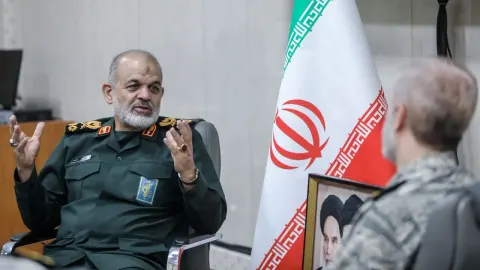
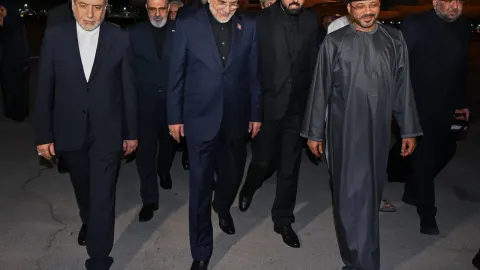
President Masoud Pezeshkian, addressing the 18th BRICS Summit in New Delhi, has issued a stern warning against the resurgence of unilateralism in global governance. Speaking to a room that included the leaders of India and China, Pezeshkian emphasized that the current global order, dominated by a few Western powers, is failing to provide justice or stability. He urged the BRICS member states to accelerate the creation of independent financial systems to bypass the sanctions-heavy mechanisms of the West. This rhetoric aligns with Tehran's long-standing strategy of seeking economic sanctuary within the Global South, especially as the domestic economy continues to grapple with the fallout of international isolation.
The timing of Pezeshkian’s remarks is particularly significant as China’s Xi Jinping and India’s Narendra Modi displayed a rare public thaw in relations during the summit. For Iran, a unified and functional BRICS represents more than just a diplomatic club; it is a lifeline. By advocating for multilateralism, Pezeshkian is signaling to the Iranian public and markets that the administration is actively pursuing alternative trade routes and currency swaps that could eventually stabilize the Toman. However, the effectiveness of these calls remains dependent on the willingness of giants like India and China to risk secondary sanctions from the United States.

---
Houthi Gains and the Red Sea Energy Corridor
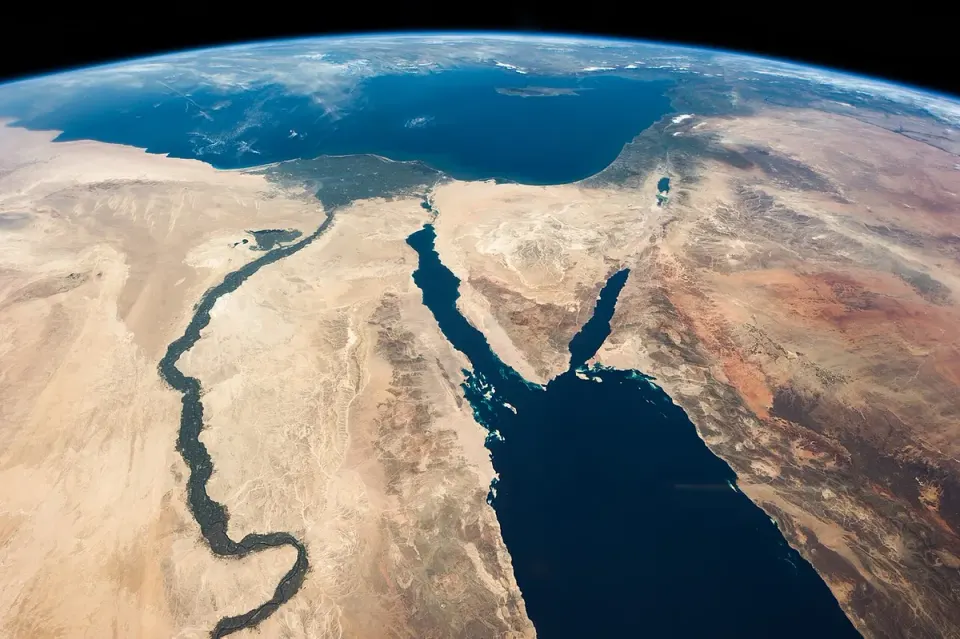
Regional tensions have spiked following reports that Houthi forces have seized control of the strategic Red Sea coast in Yemen, including the historic port of Mokha. In Tehran, officials have hailed this as a "divine triumph," celebrating the expansion of the so-called Axis of Resistance’s maritime reach. This development puts the Bab al-Mandab Strait—a critical chokepoint for global oil and gas shipments—under even greater pressure. While Iranian state media celebrates the strategic victory, the global market is reacting with increased volatility, fearing that any closure of the strait would send energy prices skyrocketing and disrupt the fragile recovery of the global economy.
For the average Iranian reader, the celebration of these military gains is a double-edged sword. While it projects regional strength, it also heightens the risk of direct maritime conflict involving international coalitions. Markets in Tehran are sensitive to these geopolitical tremors; although the USD/IRR exchange rate saw a minor dip today, the long-term outlook remains clouded by the potential for renewed escalations in the Red Sea. If shipping insurance rates continue to climb and tankers are diverted, the cost of imported goods in Iran will inevitably face upward pressure, regardless of local currency fluctuations.
---
Trump’s Irish Intervention and Global Market Jitters
Donald Trump has once again proven his ability to disrupt traditional diplomacy, this time during a visit to Ireland. The former president stated that he would "love" to see a united Ireland, suggesting that the unification of the Republic and Northern Ireland "may as well happen now." This comment has sent shockwaves through the UK government and unionist circles in Belfast, threatening to reignite sensitive constitutional debates. Trump's willingness to discard decades of US diplomatic neutrality on the Irish question reflects his broader "America First" approach, which often prioritizes personal rhetoric over established geopolitical alliances.
On the financial front, global markets are processing a mix of signals. In the US, Dow Jones futures are under pressure as expectations for a Federal Reserve rate hike grow, driven by persistent inflation and high bond yields. Despite this, major tech and healthcare stocks like Apple and Moderna have emerged as "new buys" for investors looking for stability. This global macro environment directly impacts the Iranian market's appetite for gold. As the US dollar strengthens globally on rate hike fears, gold prices often face downward pressure. Domestically, the price of 18k gold in Tehran fell from 24,412,484 to 24,089,293 Toman (-1.3%), reflecting both this global trend and a slight cooling of local speculative demand.
---
Tehran Market Update: A Brief Respite in Volatility
As of 17:00 Tehran time, the currency and gold markets have shown a rare moment of consolidation. The USD/IRR exchange rate moved from 237,500 to 236,400, marking a modest decrease of 0.5% over the last 24 hours. This slight appreciation of the Toman comes amidst the flurry of diplomatic activity in Delhi, which some local traders interpret as a sign that Iran is not entirely isolated on the world stage. However, the volume of trade remains thin, suggesting that many investors are waiting for the final communiqués from the BRICS summit before making significant moves.
In the coin market, the Emami coin also saw a downward adjustment, falling from 241,000,000 to 239,500,000 Toman (-0.6%). This trend suggests a temporary reduction in the "war premium" that has historically driven gold and coin prices higher in Iran. While the 24-hour data shows a cooling trend, the underlying economic fundamentals—high inflation and regional uncertainty—remain unchanged. For the Iranian household, these minor price drops offer a brief respite, but the focus remains firmly on whether the diplomatic efforts in Delhi can translate into tangible economic relief or if the escalating situation in the Red Sea will trigger the next wave of currency depreciation.
Watch
Putin and Xi among leaders meeting Modi at Brics summit | BBC News
BBC News
Frequently Asked Questions
What did President Pezeshkian propose at the BRICS summit?
Why did gold prices fall in Tehran today?
How has the situation in Yemen affected global markets?
Understanding Multilateralism: Why Nations Cooperate in a Complex World
The news headline mentions Pezeshkian challenging "unilateralism" at the BRICS summit and Iran's engagement with "multilateralism." These terms are central to understanding contemporary international relations and how countries navigate global challenges. Multilateralism refers to the practice of coordinating national policies in groups of three or more states, typically through international organizations and treaties. It stands in contrast to unilateralism, where a single state acts without the consent or support of others, often prioritizing its own national interests above collective action.
The appeal of multilateralism lies in its potential to foster stability, share burdens, and lend greater legitimacy to global initiatives. By working together, countries can address complex transnational issues like climate change, pandemics, economic crises, and security threats more effectively than any single nation could alone. International bodies such as the United Nations, the World Trade Organization, and regional blocs like the European Union are prime examples of multilateral frameworks designed to facilitate cooperation and establish shared norms.
However, multilateralism is not without its challenges. It often involves intricate negotiations, compromises on national sovereignty, and slow decision-making processes due to the need for consensus among diverse actors with differing interests. Despite these difficulties, many nations, particularly emerging economies and those seeking to balance the influence of dominant powers, view multilateral platforms as crucial for promoting a more equitable and representative global order.
This is precisely where the BRICS group (Brazil, Russia, India, China, and South Africa, with recent expansions) becomes relevant. BRICS represents a significant multilateral initiative aimed at fostering economic cooperation, political dialogue, and a rebalancing of global power away from traditional Western-centric institutions. For countries like Iran, engaging with BRICS is a strategic move towards strengthening their voice on the international stage, diversifying economic partnerships, and collectively pushing back against perceived unilateral pressures or sanctions, thereby championing a more multipolar world.