Bushehr Exports Surge to $2.3B as Iraq Pledges Regional Security Buffer
جهش صادرات ۲.۳ میلیارد دلاری بوشهر همزمان با تعهد امنیتی عراق؛ آرامش نسبی در بازار ارز
Iran's Bushehr province reports a significant $2.3 billion export milestone, while Iraq vows to prevent its soil from being used for regional attacks. Meanwhile, AI leaders Sam Altman and Dario Amodei signal a strategic slowdown in development to prioritize safety over speed.
At time of publishing
USD
233,700
Toman
Gold 18K
23.79M
Toman / gram
Bitcoin
$77,275
US Dollar
Tether
232,550
Toman
Bushehr Exports Reach $2.3 Billion Milestone
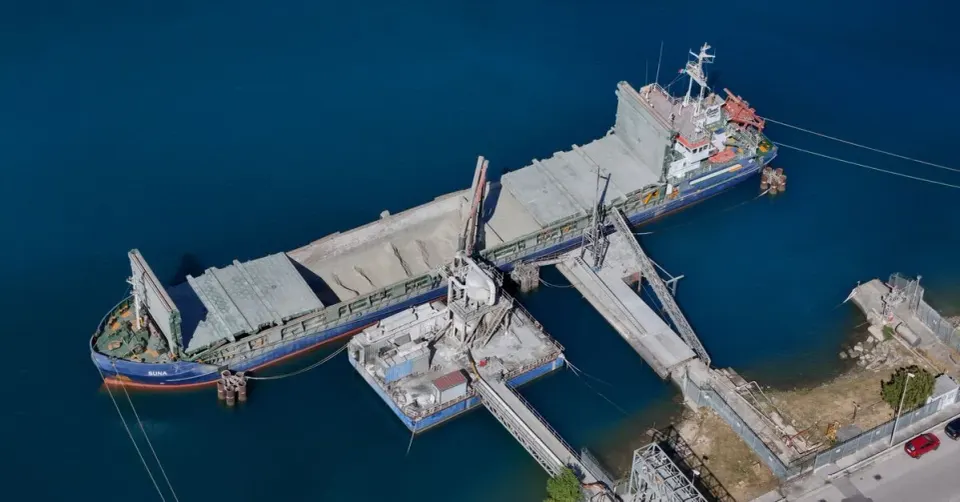
Iranian state media, citing the head of the provincial customs office in Bushehr, reported today that the province has exported over $2.364 billion worth of goods in the first five months of the current Iranian calendar year (March 20 – August 20). This figure represents a critical pillar of Iran's non-oil trade strategy, as the region serves as a primary hub for petrochemical products, gas condensates, and mineral resources. The official noted that the volume of trade reflects a sustained effort to maintain economic activity despite the ongoing pressure of international sanctions and logistical hurdles in the Persian Gulf.
For the average Iranian reader, these export figures are more than just statistics; they are a barometer for the country's foreign currency reserves. While the government often highlights these numbers to project a sense of economic resilience, the actual impact on the domestic market remains complex. Increased exports from hubs like Bushehr are theoretically supposed to bolster the supply of hard currency, yet the persistent gap between official trade data and the daily struggle with inflation suggests that much of this revenue is absorbed by state obligations rather than filtering down to stabilize the purchasing power of the Rial.
Iraq Vows to Shield Neighbors from Regional Attacks
In a significant geopolitical development, Sabah Al-Numan, the spokesman for the commander-in-chief of the Iraqi Armed Forces, stated that Iraq will not allow its territory to be used as a launching pad for attacks against neighboring countries. This declaration comes at a time of heightened regional tension, where Iraq often finds itself caught in the crossfire of proxy conflicts involving regional powers and international actors. Al-Numan emphasized that undermining regional security from Iraqi soil is a direct violation of the state's sovereign policy and that Baghdad is committed to maintaining its role as a stabilizing force rather than a conflict zone.
This commitment is particularly relevant for the Iranian market and political landscape. Any reduction in the threat of regional escalation typically leads to a cooling effect on the 'fear premium' in Tehran’s gold and currency markets. In recent months, rumors of cross-border operations have frequently caused sudden spikes in the price of the US Dollar and gold coins. If Iraq successfully implements this buffer policy, it could provide a much-needed window of predictability for regional trade routes and diplomatic channels, potentially easing the speculative pressure on the Toman.

The Great AI Slowdown: Altman and Amodei Prioritize Safety
In the world of high technology, a rare consensus is forming between the leaders of the two most prominent AI labs. OpenAI CEO Sam Altman and Anthropic CEO Dario Amodei have both signaled that the industry may need to 'pace the frontier' of development. Altman explicitly stated that an OpenAI IPO in 2026 would be 'ill-advised,' suggesting that the rush to go public could compromise the rigorous safety protocols needed for advanced artificial intelligence. Amodei echoed these sentiments, calling for a more deliberate approach to prevent AI models from becoming capable of inflicting large-scale global damage.
This shift in tone marks a departure from the 'move fast and break things' era of Silicon Valley. For investors and tech enthusiasts, this means the anticipated windfall from massive AI public offerings may be further off than previously thought. The focus is shifting from raw scaling to 'recursive self-improvement' and control mechanisms. This strategic pause suggests that the industry is entering a more mature, albeit slower, phase of growth where regulatory compliance and existential safety are becoming as important as computational power. For global markets, this could lead to a stabilization of AI-related stocks as the hype cycle meets the reality of governance.

Market Update: Stability Amidst Minor Fluctuations
As of 10:00 AM Tehran time, the domestic markets are showing signs of consolidation. The US Dollar (USD) sell rate is holding steady at 233,700 Toman, showing no change (0.0%) over the last 24 hours. Gold prices, however, have seen a slight retreat; 18k gold per gram moved from 23,858,442 to 23,789,186 Toman, marking a -0.3% decrease. Similarly, the Emami gold coin saw a -0.6% drop, falling from 239,500,000 to 238,000,000 Toman. These movements suggest that while the currency remains pegged to its current range, the demand for gold as a hedge has softened slightly this morning.
In the cryptocurrency sector, Bitcoin (BTC) is trading at $77,275, maintaining its position above key psychological levels. However, security concerns have surfaced following a data breach at Revolut, where customer KYC and Bitcoin transaction data were reportedly exposed via a fraudulent request from a government domain. This incident highlights the ongoing vulnerabilities in the digital asset ecosystem, even as major financial institutions increase their crypto offerings. For Iranian traders using international platforms, this serves as a reminder of the critical importance of hardware wallets and multi-factor authentication to protect assets from sophisticated phishing and social engineering attacks.
Frequently Asked Questions
Why is the $2.3 billion export figure from Bushehr significant?
How does Iraq's security pledge affect the Iranian Toman?
Why is OpenAI delaying its IPO until after 2026?
Understanding Iran's Push for Non‑Oil Trade Diversification
Iran’s economy has long been dominated by oil and gas revenues, which at times have accounted for more than 80% of export earnings. Over the past decade, however, a combination of international sanctions, volatile oil prices, and the need for fiscal stability has forced policymakers to seek alternative sources of foreign exchange. This strategic shift is known as non‑oil trade diversification – expanding exports of petro‑chemicals, minerals, agricultural products, and manufactured goods while reducing reliance on crude oil shipments.
The southern port of Bushehr, traditionally a hub for oil, has become a focal point for this new agenda. Recent data shows Bushehr‑linked exports jumping to roughly $2.3 billion, driven largely by petro‑chemical derivatives, steel, and even specialty food items destined for neighboring Iraq and other Gulf markets. Iraq’s pledge to act as a regional security buffer further lowers logistical risks, encouraging Iranian firms to ship larger volumes across the relatively short land corridor.
Exchange‑rate dynamics play a crucial role. The official USD/IRR rate is tightly managed, but a parallel market often reflects true supply‑demand conditions. A weaker rial makes Iranian non‑oil goods cheaper for foreign buyers, boosting competitiveness, yet it also raises the cost of imported inputs such as machinery and technology. Policymakers therefore walk a tightrope: they must balance a de‑valued currency that spurs exports with the inflationary pressure it creates at home.
Beyond immediate trade figures, diversification also cushions the economy against external shocks. When oil revenues plunge, a broader export basket—ranging from copper concentrates to pistachios—provides a steadier stream of hard currency. This resilience is especially important given the ongoing sanctions regime, which can abruptly restrict oil sales but is less effective at targeting non‑oil sectors that are often less visible on the global stage.
For students of international economics, Iran’s non‑oil diversification illustrates how geopolitical constraints, currency policy, and regional security considerations intertwine to reshape a nation’s trade strategy. It underscores the broader lesson that economies heavily dependent on a single commodity must continually adapt or risk severe volatility.