Projectile Strike in Strait of Hormuz Jolts Markets as Gold Dips and USD Holds Steady
حمله راکتی به کشتی ایرانی در تنگه هرمز؛ ثبات دلار در کنار ریزش قیمت طلا و سکه
An unidentified projectile hit an Iranian commercial vessel near Hengam Island, causing casualties and raising regional tensions. Meanwhile, domestic gold prices have dipped over 1% as the US Dollar remains pinned near 233,700 Toman.
At time of publishing
USD
233,700
Toman
Gold 18K
23.57M
Toman / gram
Bitcoin
$77,126
US Dollar
Tether
231,650
Toman
Maritime Tension Returns to the Strait of Hormuz
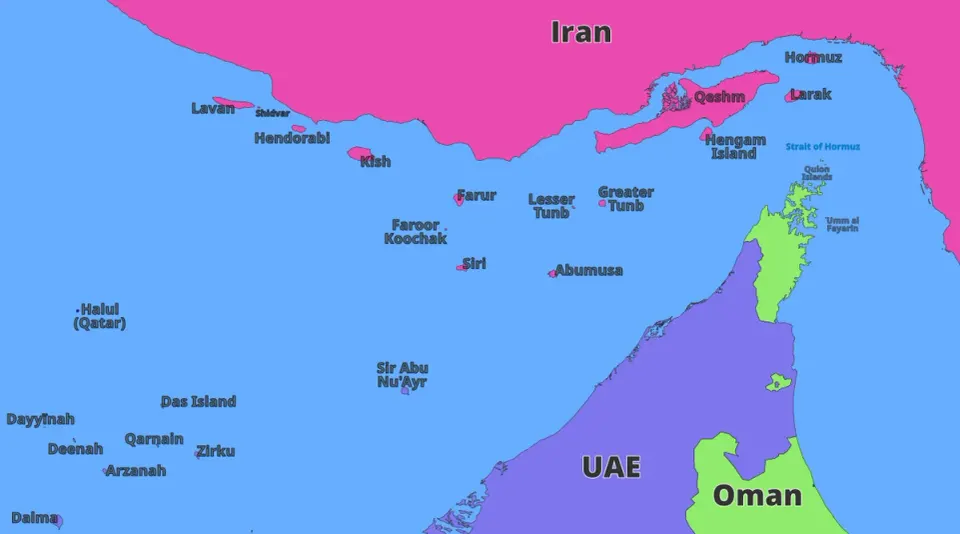
Early Sunday morning, the fragile calm of the Strait of Hormuz was shattered when an unidentified projectile struck an Iranian commercial container ship near Hengam Island. According to reports attributed to the governor of Qeshm Island by state media, the attack resulted in the death of one crew member and left four others injured. While the source of the projectile remains unconfirmed, the incident occurs at a time of heightened regional sensitivity, where any disruption in this critical maritime artery sends ripples through global energy and insurance markets. The vessel was reportedly operating in the vicinity of Qeshm and Hengam when the impact occurred, prompting an immediate emergency response from local maritime authorities.
This incident is particularly significant because it targets a commercial vessel rather than a military asset, a tactic that often signals an attempt to destabilize trade routes rather than engage in direct state-on-state conflict. For Iranian readers, such events typically trigger immediate volatility in the currency markets due to fears of renewed sanctions or military escalation. However, the initial market reaction at 11:00 Tehran time has been surprisingly muted in the forex sector, suggesting that traders are waiting for more definitive information regarding the perpetrator or the potential for a retaliatory cycle before adjusting their positions significantly.
Gold and Coin Markets Retrace Amid Global Uncertainty
Despite the geopolitical headlines, the domestic gold and coin markets in Iran have seen a downward correction over the last 24 hours. Gold 18k per gram moved from 23,858,442 to 23,574,495 Toman, marking a 1.2% decrease. Similarly, the Emami gold coin fell from 239,500,000 to 237,000,000 Toman, a 1.0% drop. This cooling off suggests that the speculative fever that drove prices higher earlier in the week is meeting resistance, or perhaps reflecting a broader global trend where gold prices (currently at $4,349.70 per ounce) are consolidating after recent record-breaking runs. The disconnect between the maritime strike and the gold price drop indicates that local investors might be more focused on liquidity needs or technical profit-taking than immediate war-risk hedging.
In the currency market, the US Dollar has remained remarkably stable, selling at 233,700 Toman, which is a 0.0% change from the previous day's close. This stability in the face of a maritime strike suggests a high degree of central bank intervention or a market that has become somewhat desensitized to localized skirmishes in the Persian Gulf. For the average consumer, this means that while the cost of gold jewelry or investment coins is slightly more accessible today, the underlying inflationary pressure tied to the dollar remains unchanged. The persistence of the dollar at these elevated levels continues to strain the purchasing power of households, regardless of the minor fluctuations in the gold market.
Tech and Global Outlook: OpenAI IPO and European Energy Fears
On the international stage, Sam Altman, CEO of OpenAI, has thrown cold water on expectations for a 2026 public listing. Altman stated that it would be "ill-advised" for the company to go public next year, citing the need for further structural evolution and a primary focus on safety and development over short-term market gains. This news has cooled some of the speculative fervor in the broader AI investment space, as OpenAI is seen as the bellwether for the entire sector. If the leader of the AI revolution is hesitant to enter the public markets, it suggests that the path to profitability and regulatory compliance is more complex than many venture capitalists initially anticipated.
Meanwhile, Europe is bracing for what UK security adviser Jonathan Powell describes as a "hard winter." In rare public remarks, Powell emphasized that European nations must not take their "foot off the gas" regarding energy independence and pressure on Russia. This warning serves as a reminder that the global energy crisis is far from over. For Iran, a tighter energy market in Europe usually translates to higher demand for alternative sources, but the ongoing sanctions regime prevents the country from fully capitalizing on this geopolitical gap. The combination of tech delays and energy warnings creates a global environment of cautious stagnation, which often acts as a ceiling for emerging market growth.
Cultural Resilience Amid Economic Pressure
In a sharp contrast to the news of missiles and market shifts, the ninth National Bonab Kebab Festival opened in East Azerbaijan Province. The event, which runs through September 15, is an attempt by local authorities to bolster culinary tourism and showcase Iran’s cultural heritage during a period of economic hardship. While such festivals provide a temporary boost to local businesses and tourism, they also highlight the stark duality of life in Iran: a vibrant cultural scene struggling to survive under the weight of a stagnant economy and regional instability. For the residents of Bonab, the festival is a matter of local pride, but for the national economy, it represents a drop in the bucket compared to the massive losses incurred by maritime disruptions and sanctions.
Frequently Asked Questions
علت ریزش قیمت طلا علیرغم تنش در تنگه هرمز چیست؟
وضعیت خدمه کشتی آسیبدیده در تنگه هرمز چگونه است؟
چرا OpenAI عرضه اولیه سهام خود را به تعویق انداخت؟
The Strait of Hormuz and the Power of Geopolitical Chokepoints
The recent report of a projectile strike in the Strait of Hormuz, causing market jitters despite gold's dip and USD's steadiness, underscores the immense power of geopolitical chokepoints. A chokepoint, in economic and strategic terms, refers to a narrow channel or passage that is critically important for global trade, especially for the movement of essential goods like oil and natural gas. These constricted waterways are vital arteries of commerce, and any disruption, whether due to conflict, piracy, or natural disaster, can have immediate and far-reaching consequences for global supply chains and commodity markets.
The Strait of Hormuz, connecting the Persian Gulf to the open Arabian Sea, is arguably the world's most critical oil chokepoint. An estimated one-fifth of the world's total petroleum liquids consumption and a substantial portion of the world's liquefied natural gas (LNG) pass through this narrow waterway daily. Its strategic location makes it indispensable for energy exports from major producers like Saudi Arabia, Iran, UAE, Kuwait, and Iraq. Consequently, any perceived threat or actual incident in the Strait immediately raises concerns about global energy supply, leading to increased volatility in oil prices and impacting investor confidence worldwide.
Such incidents highlight how geopolitical tensions in specific, strategically vital locations can trigger significant market reactions. The potential for supply disruptions from a chokepoint like Hormuz creates a "risk premium" in commodity prices, as traders factor in the increased likelihood of future shortages. While gold might typically rise as a safe-haven asset during uncertainty, its complex interplay with other market forces means its immediate reaction can vary. However, the underlying principle remains: the vulnerability of critical chokepoints makes them flashpoints for international concern, directly influencing everything from energy security to global economic stability.