Aerospace Stocks Surge as Firefly Challenges Joby; Toman Gains Ground Amid Omani Diplomacy
رقابت غولهای هوافضا و بازگشت آرامش به بازار ارز؛ کاهش ۱.۵ درصدی قیمت دلار در تهران
Industrial stocks take the spotlight as Firefly and Joby Aviation redefine the aerospace market, while the Iranian Toman sees a 1.5% gain against the USD following diplomatic moves in Oman. Meanwhile, regional tensions simmer as Yemen warns of retaliation against Saudi strikes.
At time of publishing
USD
234,000
Toman
Gold 18K
23.86M
Toman / gram
Bitcoin
$77,181
US Dollar
Tether
232,599
Toman
The New Industrial Frontier: Firefly vs. Joby Aviation
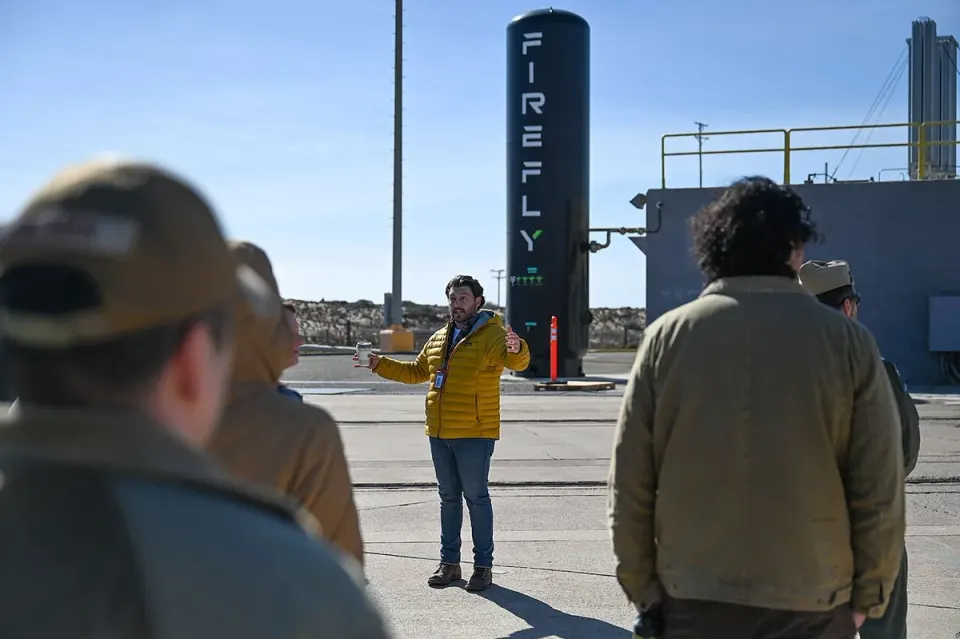
The aerospace sector in late 2026 has moved beyond mere speculation, becoming a core pillar of the industrial market. Firefly Aerospace, focused on the lucrative small-to-medium satellite launch market, is currently being weighed against Joby Aviation, the leader in electric vertical take-off and landing (eVTOL) technology. While Firefly targets the infrastructure of the "new space" economy, Joby is betting on the transformation of urban transport. For investors, the choice depends on whether they value the immediate demand for satellite deployment or the long-term potential of air taxis. This shift marks a transition where industrial stocks are no longer defined by traditional manufacturing but by high-frontier technology.
This rivalry represents a broader shift in the global economy where "Industrial" no longer means steel and coal but carbon fiber and autonomous flight systems. As Firefly ramps up its launch cadence, it offers a more traditional, albeit high-tech, revenue model. Joby, on the other hand, faces significant regulatory hurdles but promises a total disruption of how humans move within cities. The outcome of this competition will likely dictate the next decade of aerospace investment, serving as a bellwether for high-growth industrial stocks. For the global observer, these companies represent the tip of the spear in a new era of capital allocation.
Red Sea Tensions and the Omani Diplomatic Channel
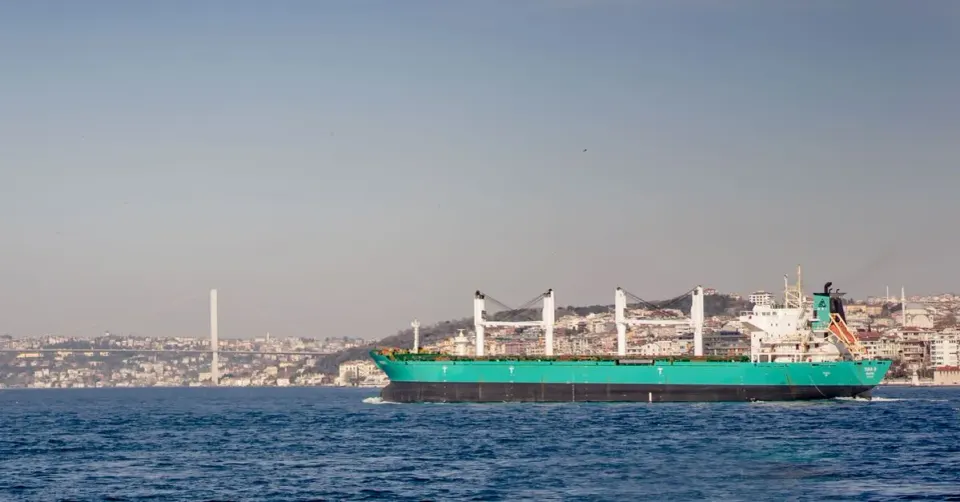
The geopolitical landscape in the Middle East remains on a knife-edge as Yemen’s Armed Forces spokesperson, Brigadier General Yahya Saree, issued a stern warning to Saudi Arabia. Following a series of Saudi airstrikes, the Yemeni military has stated that these "aggressions" will not go unpunished, signaling a potential return to infrastructure attacks that previously shook global energy markets. This escalation comes at a sensitive time, as any disruption to Saudi oil facilities or Red Sea shipping lanes typically sends shockwaves through the Toman exchange rate. The threat of renewed conflict in the Bab al-Mandab strait remains a primary concern for regional stability.
Simultaneously, Iranian Foreign Minister Abbas Araghchi has been active on the diplomatic front, holding a high-level telephone conversation with his Omani counterpart, Badr bin Hamad Al Busaidi. This call precedes a crucial meeting regarding the Strait of Hormuz, a chokepoint vital to global energy security. Oman has traditionally acted as a mediator between Tehran and the West, and this sudden flurry of activity suggests that Iran is attempting to balance its regional "escalation strategy" with a back-channel for de-escalation. This diplomatic maneuvering often serves as a signal to markets that a total breakdown of order is not yet on the horizon.
Beyond the Middle East, the UK is seeing its own domestic turmoil with far-right anti-immigration protests in Portsmouth for the second consecutive weekend. These protests, which have led to multiple arrests, highlight a growing wave of nationalism across Europe. For global markets, this social instability in major economies like the UK adds another layer of risk, often driving capital toward safe-haven assets. The combination of Western social unrest and Middle Eastern military posturing creates a complex backdrop for global trade and currency valuations.
AI Market Volatility: Cramer’s Greed vs. Anthropic’s Fear
The global tech market is currently caught between two opposing forces. On one side, Jim Cramer has doubled down on a massive $252 billion AI stock, urging investors to "buy every dip" as the technology becomes more integrated into corporate balance sheets. Cramer’s bullishness reflects a market that still sees AI as an infinite growth engine. On the other side, Anthropic CEO Dario Amodei has made a startling call for the industry to slow down, warning that the rapid development of frontier models could lead to uncontrollable global risks. This tension between profit and precaution is defining the 2026 tech investment landscape.
This ideological split is manifesting in market volatility. While retail investors are chasing the "dip" as advised by media personalities, institutional players are beginning to price in the regulatory risks and safety concerns raised by industry insiders like Amodei. For the Iranian crypto and stock enthusiast, this means that the "AI bubble" is entering a more mature, and therefore more dangerous, phase. The divergence between growth potential and existential risk is creating a choppy environment for Bitcoin and tech-heavy portfolios alike, as the market struggles to find a middle ground between innovation and security.
Tehran Market Correction: Gold and the Dollar Retreat
In the local markets, the Iranian Toman has seen a surprising moment of strength despite the regional noise. The USD sell rate moved from 237,500 to 234,000, a decrease of 1.5% over the last 24 hours. This retreat of the Greenback has provided some breathing room for the domestic economy, which had been reeling from recent escalations. Similarly, Gold 18k per gram saw a significant drop of 2.3%, falling from 24,412,484 to 23,858,442 Toman. This suggests that the "panic buying" seen earlier in the week is subsiding as traders take profits and wait for clearer political signals.
The Emami coin also reflected this downward trend, though with more resilience, moving from 241,000,000 to 239,500,000 Toman, a minor 0.6% dip. The fact that coins are holding their value better than raw gold suggests that there is still a high underlying demand for liquid assets among the public. As the market digests the news of Omani mediation and the potential for a "permanent ceasefire" discussed in earlier briefings, the immediate pressure on the Toman appears to be easing. However, with the gold ounce at $4,349, the global floor for precious metals remains historically high, limiting how far domestic prices can actually fall.
Frequently Asked Questions
Why did the USD/IRR price drop today?
What is the difference between Firefly Aerospace and Joby Aviation?
Why is the Anthropic CEO calling for an AI slowdown?
Understanding the eVTOL Market: Why Firefly and Joby Are Driving Aerospace Stock Moves
Electric vertical take‑off and landing (eVTOL) aircraft are at the heart of a new transportation frontier that blends aviation technology with electric propulsion. Unlike traditional helicopters, eVTOLs use multiple small rotors powered by batteries or hybrid systems, allowing them to hover, take off, and land vertically while promising lower noise, reduced emissions, and lower operating costs. The concept has been around for decades, but breakthroughs in battery energy density, motor efficiency, and autonomous flight software over the past five years have turned prototypes into near‑commercial products.
Two companies dominate the public‑eye narrative in 2026: Joby Aviation, a California‑based firm that went public via a SPAC in 2020 and has secured a partnership with Uber Elevate, and Firefly Aerospace, originally a small launch‑vehicle developer that recently pivoted into the eVTOL space with a $300 million capital raise. While Joby focuses on a sleek, four‑seat commuter model targeting urban air mobility (UAM) networks, Firefly is betting on a modular, lower‑cost design that could serve regional air‑taxi routes and cargo missions. Their rivalry fuels investor excitement, explaining the recent surge in aerospace equities and the heightened coverage by market personalities like Jim Cramer.
The market’s growth hinges on several interlocking factors. First, regulatory frameworks are evolving: the FAA’s Part 135 certification for air‑taxi operations and the European Union Aviation Safety Agency’s (EASA) similar rules are being drafted to accommodate electric propulsion and autonomous flight. Second, infrastructure development—vertiports, charging stations, and air‑traffic‑management integration—is essential; cities such as Los Angeles and Dubai have already approved pilot vertiport projects. Finally, the economics of scale matter: battery costs need to fall below $100/kWh for eVTOLs to achieve price parity with conventional helicopters, a threshold that analysts predict will be reached by the early 2030s.
Investors should watch three key indicators when evaluating eVTOL stocks: technology milestones (e.g., successful full‑scale flight tests and certification filings), partnerships with ride‑hailing or logistics firms, and capital efficiency (how quickly a company can move from prototype to revenue‑generating fleet). While hype can push valuations sky‑high, the sector’s long‑term success will be determined by the ability to deliver safe, reliable, and economically viable services at scale.
For readers who want to dig deeper, the eVTOL landscape offers a fascinating case study of how disruptive technology, regulatory adaptation, and capital markets intersect to reshape an industry that has been relatively static for a century.